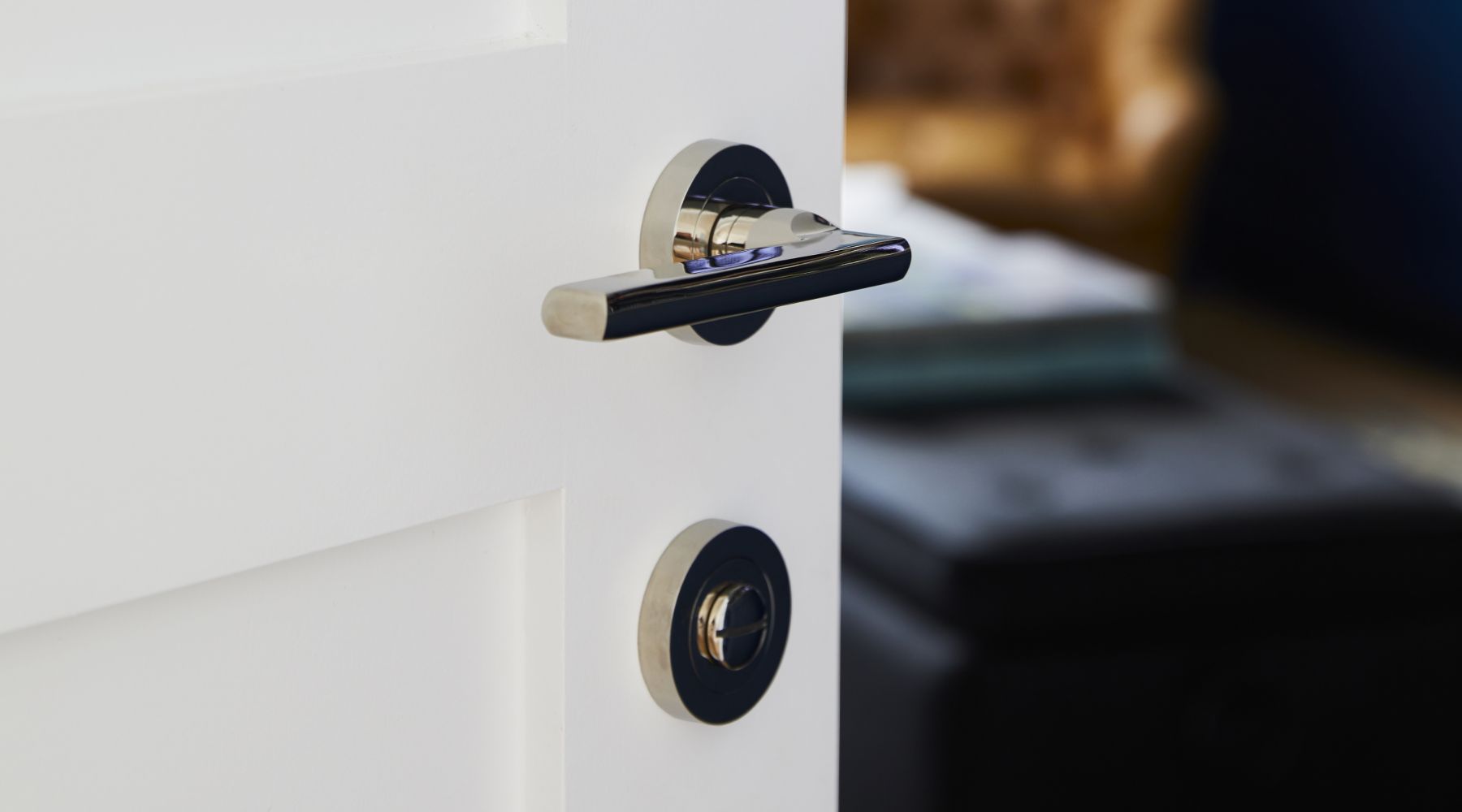

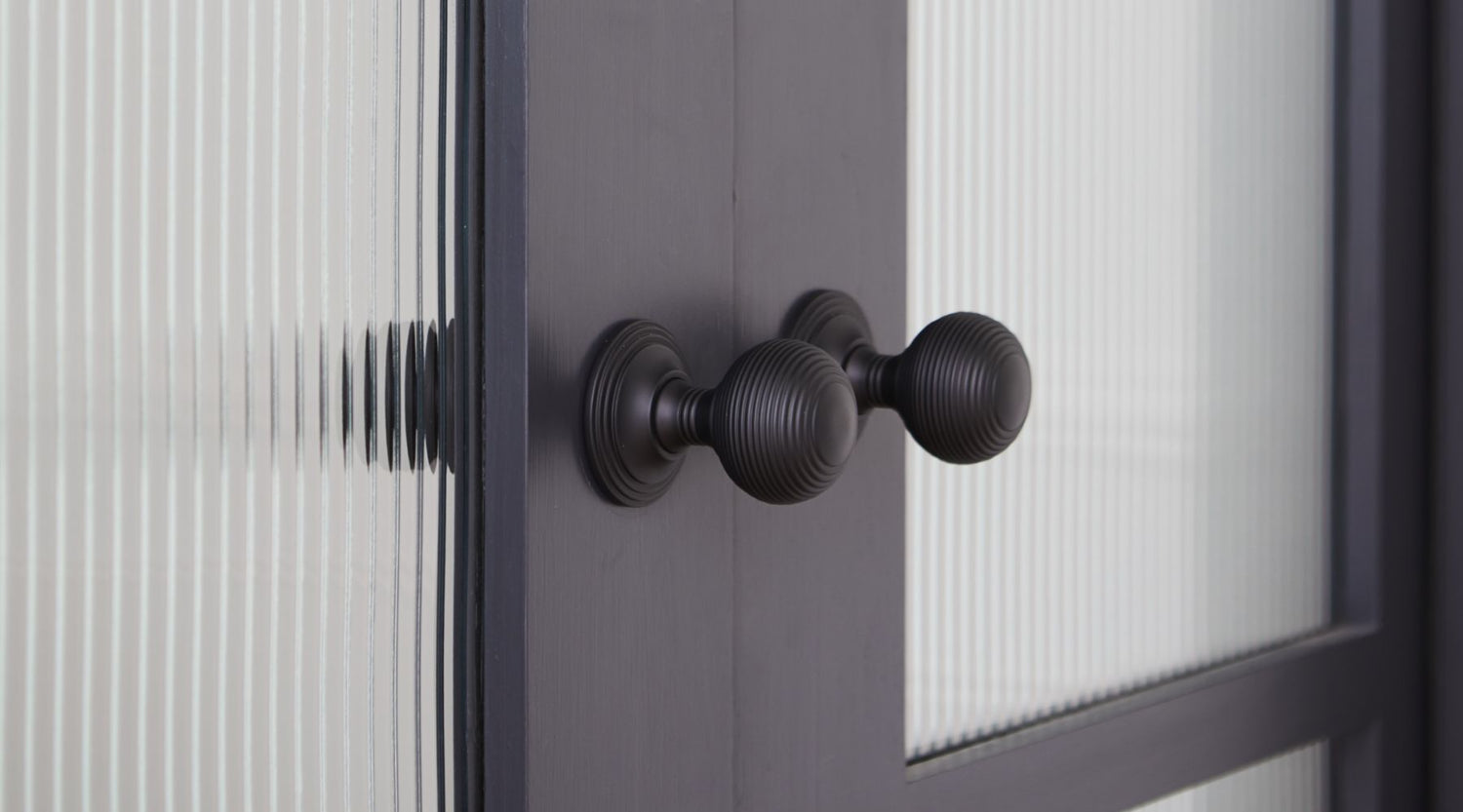
Choosing between black and brass door hardware is one of the more defining decisions in a renovation. Both finishes are widely used, but they create very different outcomes.
Black introduces contrast and structure. Brass brings warmth and depth.
The decision comes down to how you want the space to feel — and how the hardware sits alongside your materials, light, and overall palette.
What Black Door Hardware Brings to a Space
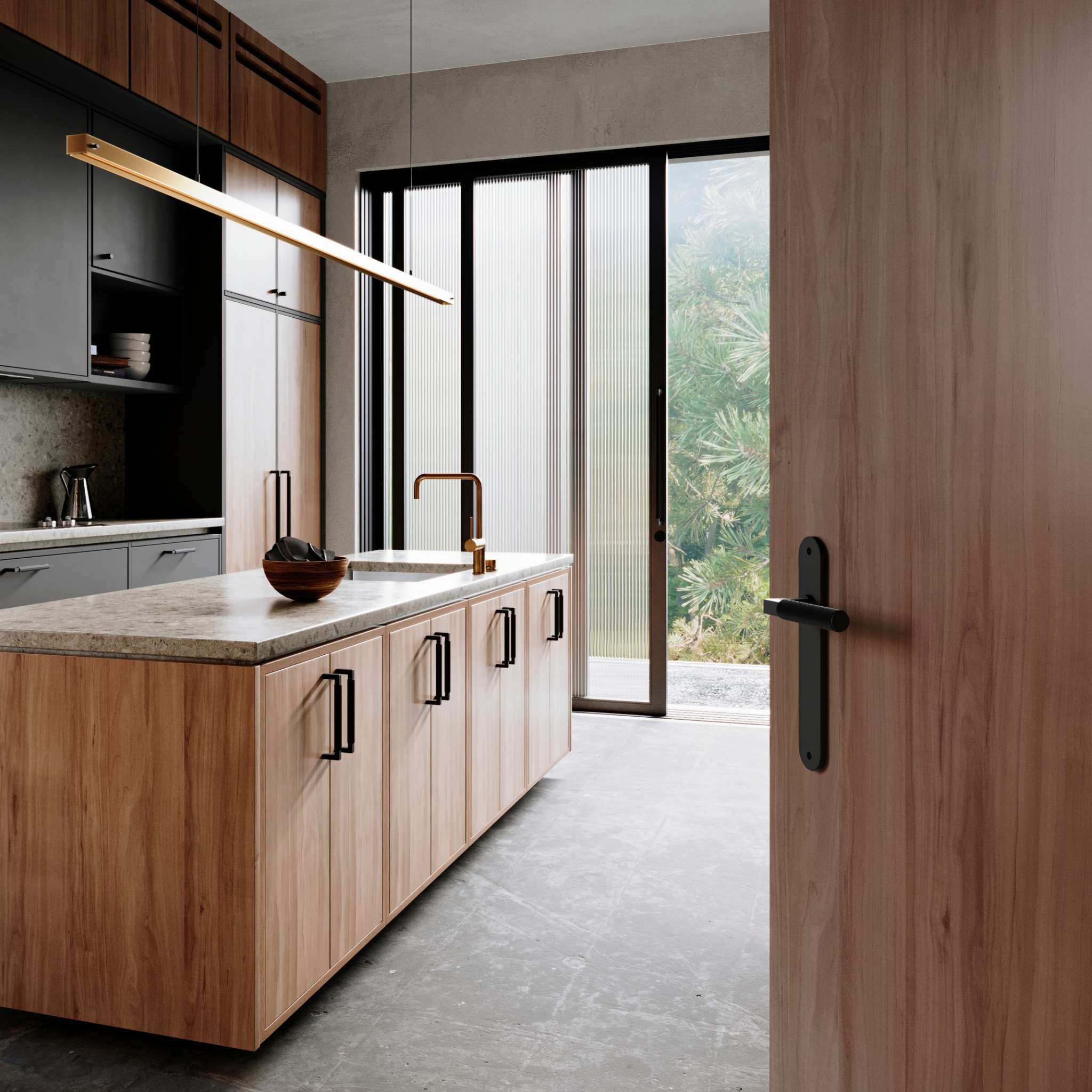
Black hardware is often used to introduce definition. It creates contrast against lighter materials and reinforces the lines of a space without relying on colour.
In practice, it feels deliberate and controlled.
You’ll notice:
- a strong visual presence against lighter surfaces
- clean, architectural edges
- a finish that remains consistent over time
This makes black particularly effective in modern builds and more minimal interiors, where contrast helps establish structure without adding complexity.
It also works well in kitchens with lighter cabinetry or stone, where the hardware can anchor the overall palette.
What Brass Door Hardware Brings to a Space
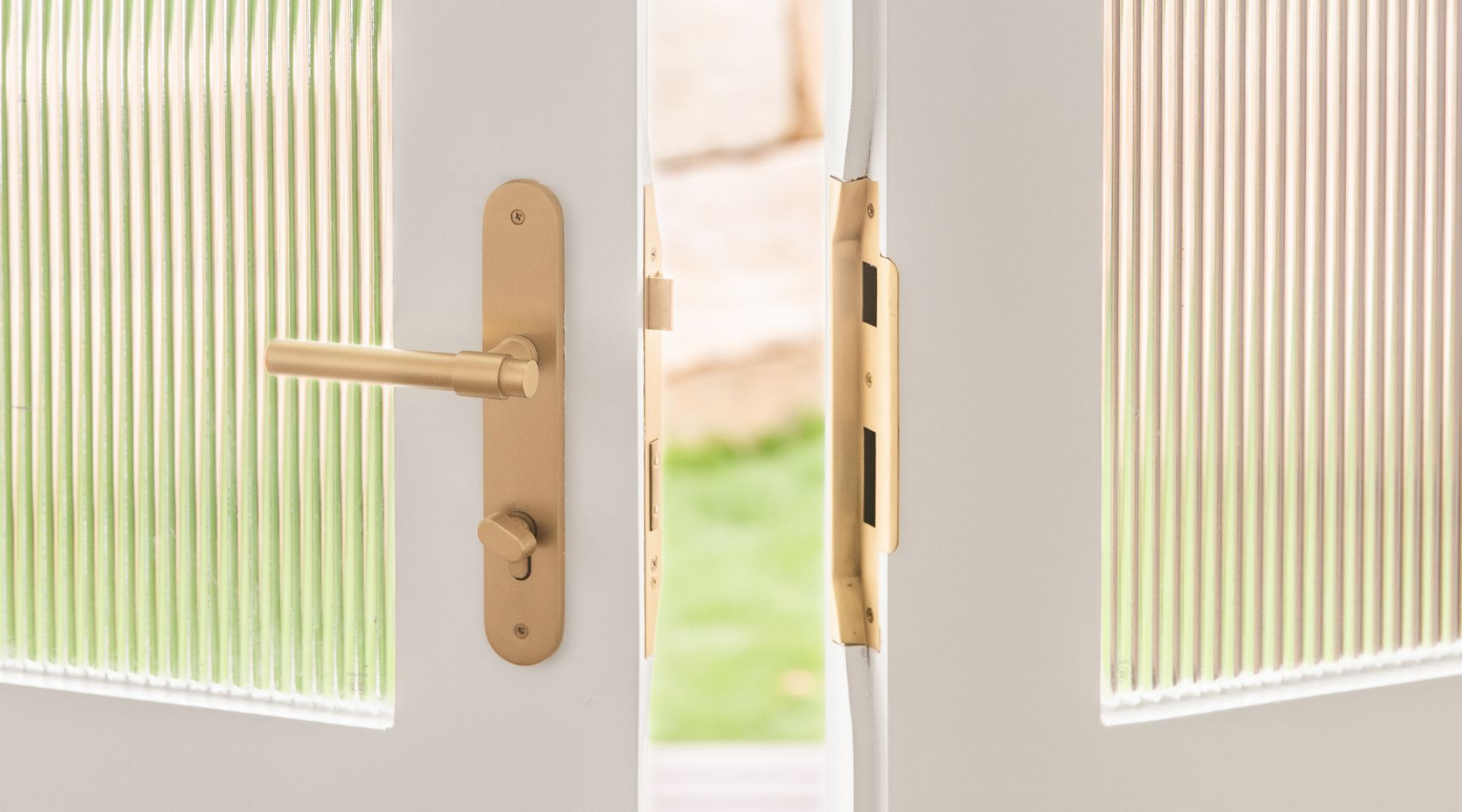
Brass behaves differently. Rather than standing apart, it tends to integrate.
It draws warmth from surrounding materials — particularly timber, stone, and neutral finishes — and contributes to a more layered, connected feel.
In use, it introduces:
- warm, golden tones that soften the palette
- subtle variation depending on the finish
- a quieter presence compared to darker hardware
This makes brass well suited to spaces where materiality is already doing the work. Instead of defining edges, it supports the overall composition.
If you're refining which brass finish to use, it’s worth exploring:
How the Difference Shows Up in a Space
The distinction between black and brass becomes clearer when you step back and look at the room as a whole.
Black tends to sharpen a space. It introduces contrast, reinforces structure, and draws attention to key lines — doors, joinery edges, transitions.
Brass does the opposite. It softens those transitions, allowing materials to feel more connected. Instead of creating contrast, it builds continuity.
Neither approach is stronger — they simply shift the atmosphere in different directions.
Choosing Between Them
The decision isn’t about trend. It’s about balance.
Black works well when you want:
- contrast and definition
- a more architectural feel
- a finish that remains visually consistent
Brass works well when you want:
- warmth and softness
- a more layered, material-driven result
- a finish that sits comfortably within natural palettes
For a broader view of how these finishes sit alongside others, see Door Hardware Finishes: A Complete Guide to Choosing the Right Look.
Using Black and Brass Together
These finishes don’t need to be mutually exclusive.
In many cases, the most resolved interiors use both — but with clear intent.
A common approach is to use:
- black hardware to define structure (doors, frames, transitions)
- brass accents to introduce warmth (lighting, tapware, joinery details)
The key is restraint. When the palette is controlled, the contrast feels considered rather than mixed.
Where Each Finish Works Best
Black tends to suit:
- modern interiors with strong lines
- high-contrast palettes
- spaces where you want hardware to stand out
Brass tends to suit:
- kitchens with timber or stone
- living spaces and bedrooms
- interiors that favour warmth and material variation
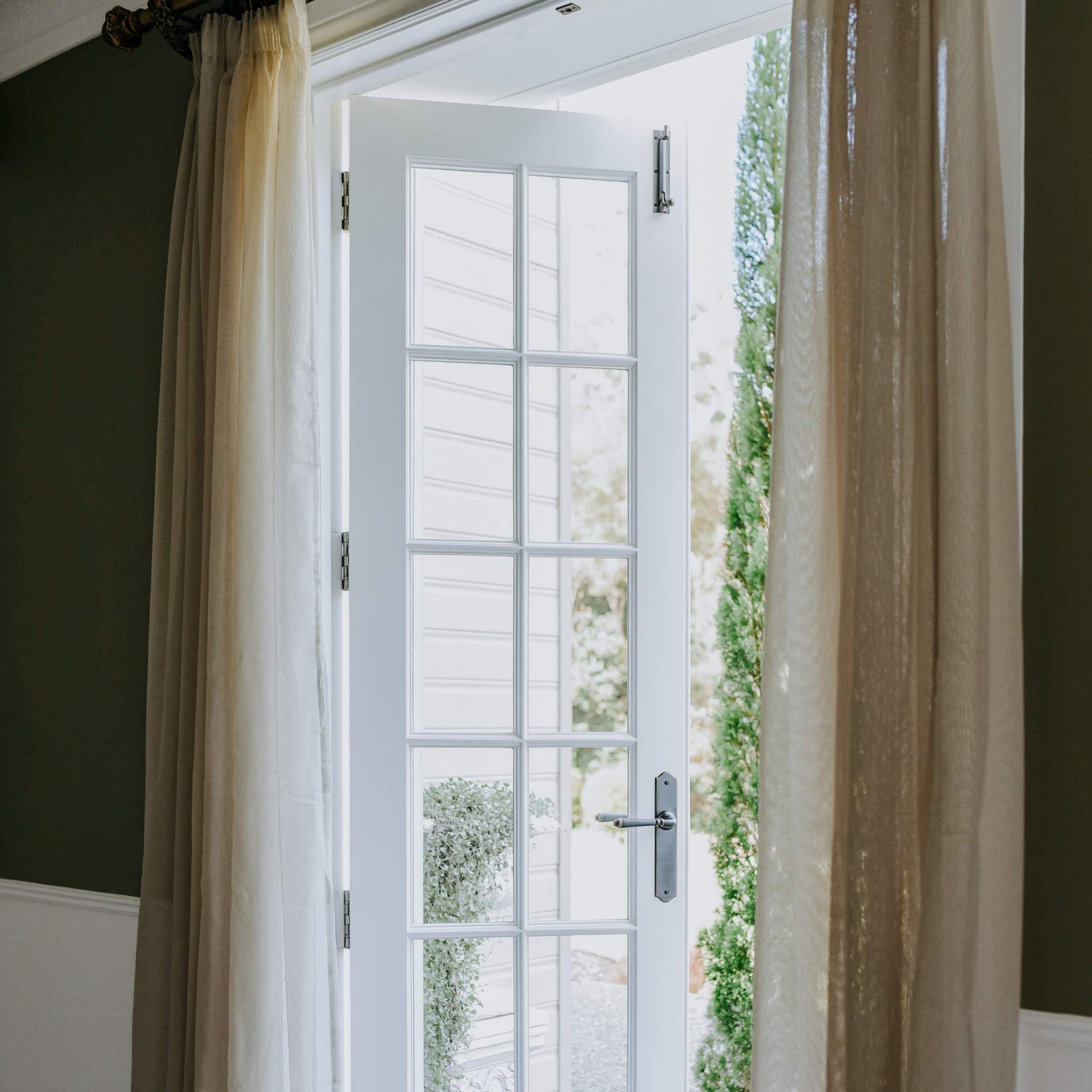
Both finishes extend beyond the kitchen — particularly through door levers, which carry consistently across the home.
A Finish That Feels Right
Black defines. Brass softens.
Both are strong design choices — the difference lies in how they shape the space around them.
When aligned with your materials and layout, either finish can bring clarity and cohesion without feeling forced.
Small details make the strongest impression — especially when they’re chosen well.
Explore Door Lever Finishes
If you're refining your selections, explore our range of:
Brass Door Levers
Black Door Levers