
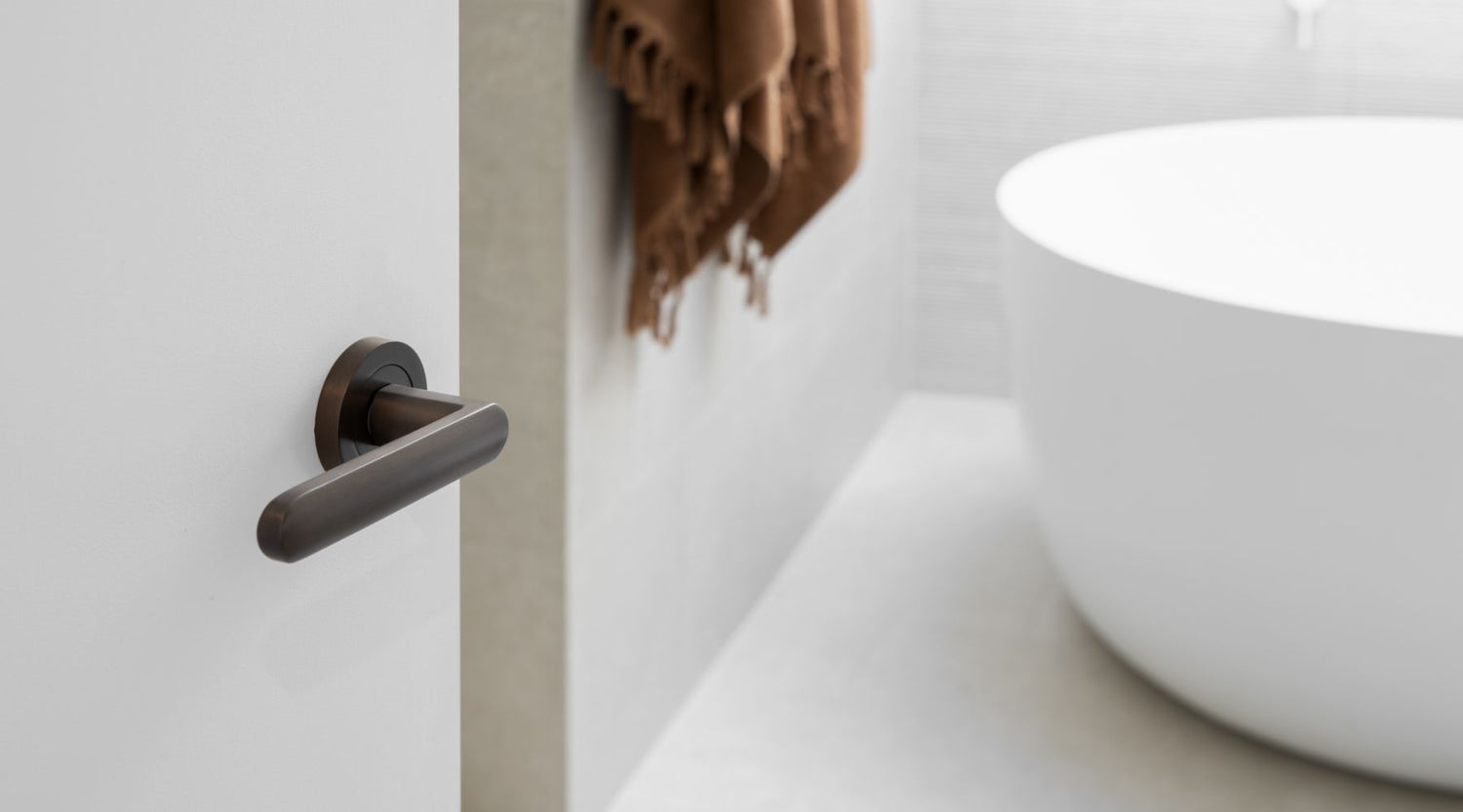
Brushed Brass and Antique Brass both sit within a warm material palette, but they create distinctly different outcomes.
At a glance, the difference is tonal. In a space, it becomes more about how each finish behaves — how it interacts with light, how it sits alongside materials, and how much presence it carries.
Choosing between them isn’t about preference alone. It’s about the role you want the hardware to play within the broader composition.
A Difference in Tone and Depth
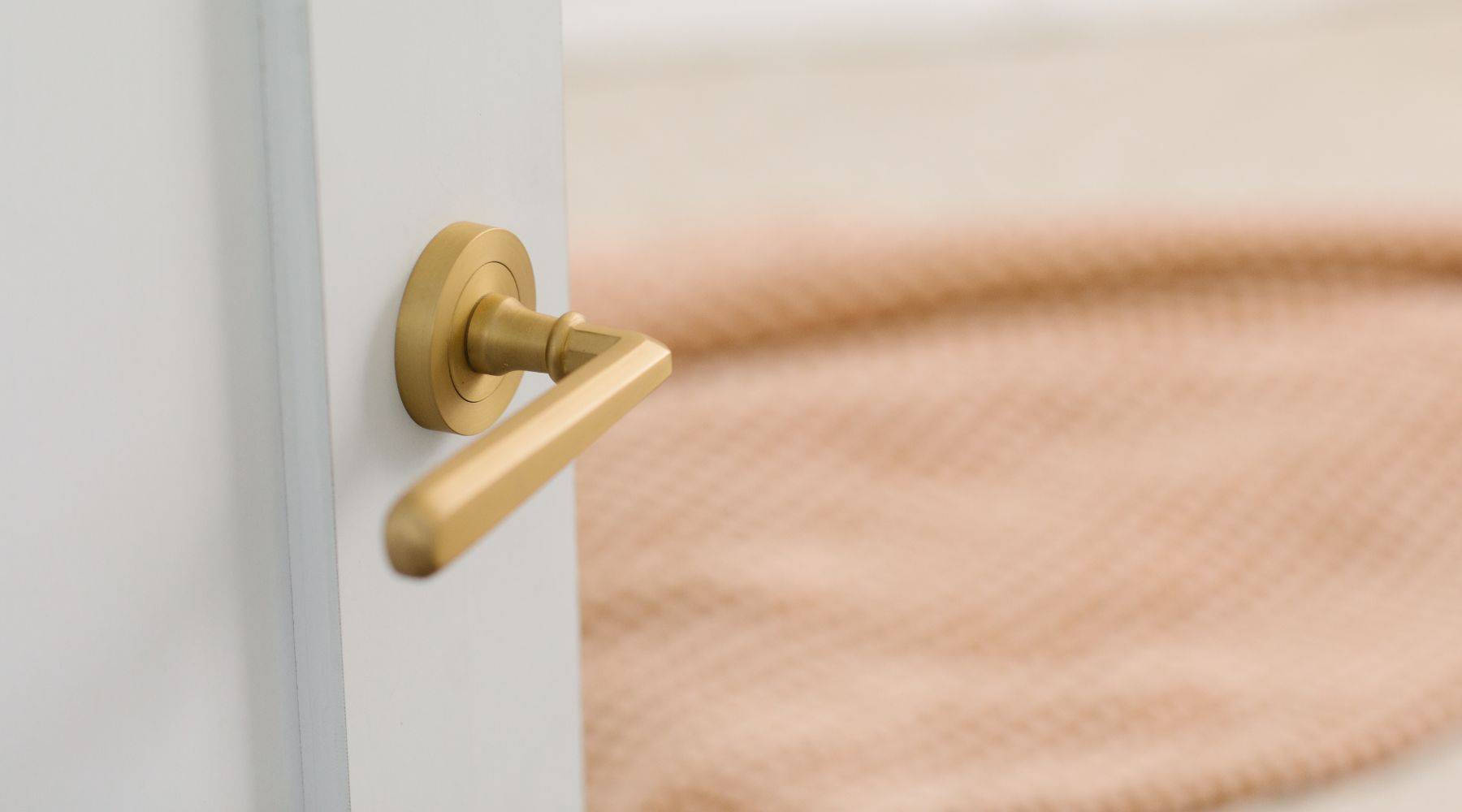
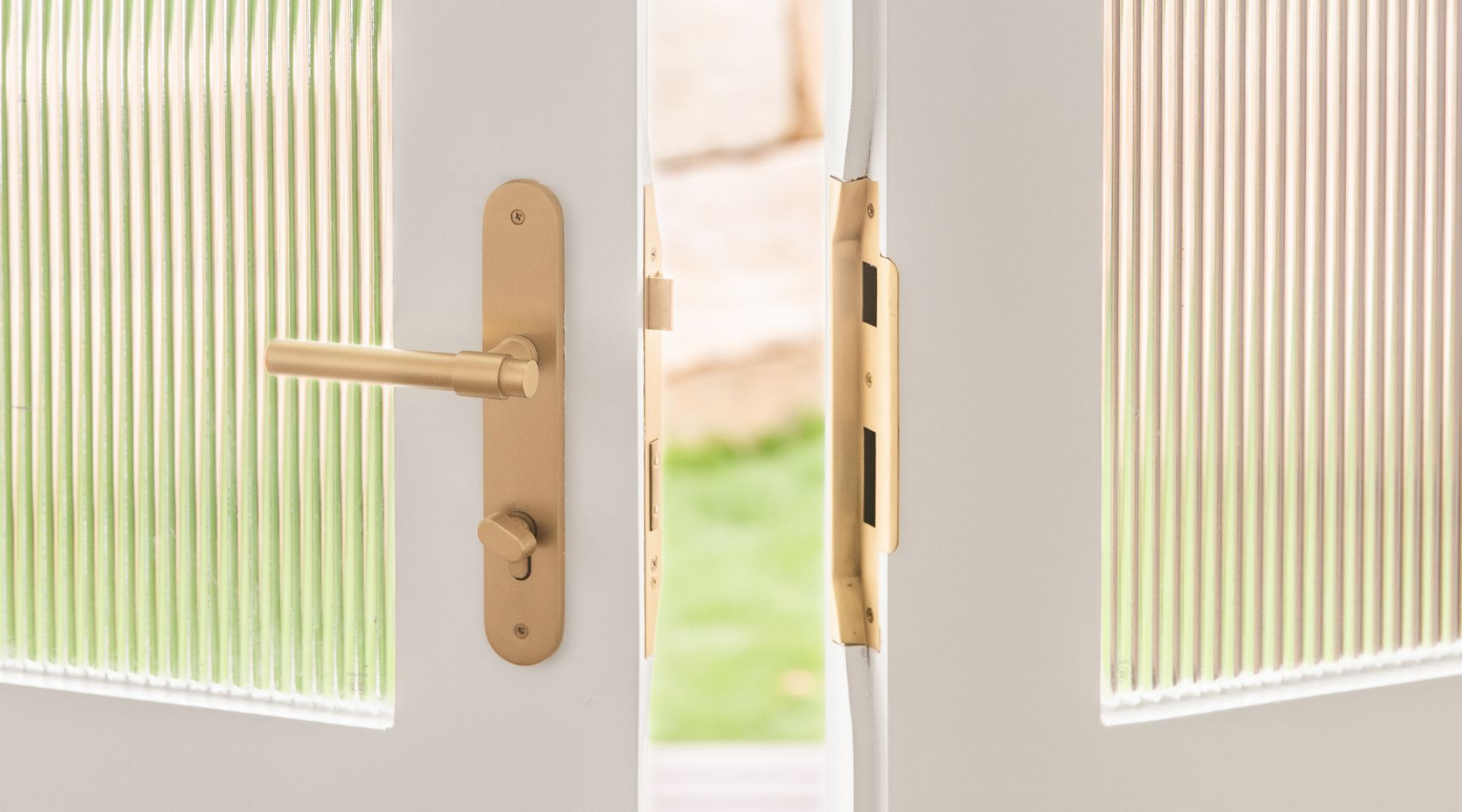
Brushed Brass is lighter and more even in tone. Its fine surface texture softens reflection, allowing it to sit comfortably within a range of palettes without drawing too much attention.
Antique Brass, also known as Signature Brass, carries more depth. It introduces darker undertones and variation across the surface, which gives it a more established, grounded feel from the outset.
Where Brushed Brass feels controlled and consistent, Antique Brass feels layered and expressive.
How Each Finish Responds to Light
Light plays a significant role in how these finishes are perceived.
Brushed Brass diffuses light. It reduces glare and creates a softer, more even appearance across the surface. In brighter spaces, it tends to feel calm and balanced.
Antique Brass absorbs more light. The variation within the finish creates subtle shifts in tone, particularly as lighting conditions change. This gives it a sense of movement and depth.
In natural light, the distinction becomes clearer — one softens, the other deepens.
Working With Materials
The surrounding materials influence how each finish reads.
Brushed Brass works easily with:
- lighter timbers and natural stone
- painted cabinetry in neutral tones
- interiors that favour restraint and balance
It tends to support the palette rather than define it.
Antique Brass works well with:
- darker timbers and richer materials
- textured finishes such as plaster or aged surfaces
- more traditional settings or layered interiors
It introduces contrast and adds weight to the overall composition.
If you're working across multiple finishes, it can help to consider how each element contributes to the overall balance. For a broader overview, see Door Hardware Finishes: A Complete Guide to Choosing the Right Look.
Presence Within a Space
One of the most noticeable differences is how present each finish feels.
Brushed Brass is more restrained. It sits quietly within the space, allowing other materials to take focus.
Antique Brass is more defined. It draws the eye and creates small moments of contrast, particularly when repeated across doors and joinery.
This becomes more important as the finish carries through the home — especially across door levers, which are used consistently from room to room.
Choosing Between Them
The decision comes down to direction rather than performance.
Choose Brushed Brass if you’re looking for:
- a softer, more refined finish
- a lighter palette that feels balanced
- flexibility across different materials and rooms
Choose Antique Brass if you prefer:
- more depth and variation
- a stronger visual presence
- a finish that supports traditional or more layered interiors
If durability and long-term consistency are also a consideration, it’s worth comparing with Brushed Brass vs Brushed Gold PVD.
Where Each Finish Works Best
Brushed Brass is often used in:
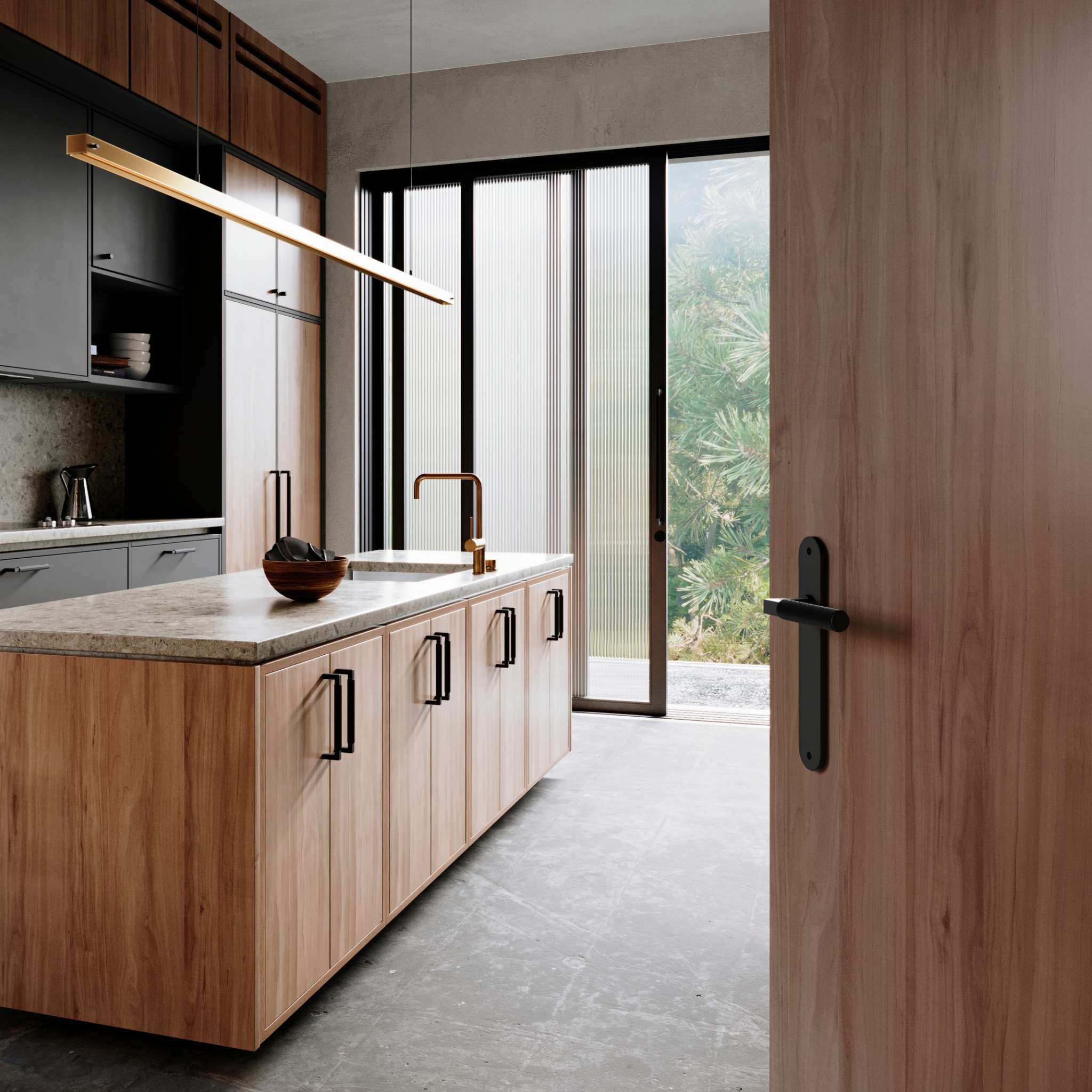
- kitchens with timber and stone
- modern interiors with a restrained palette
- spaces where hardware should integrate rather than stand out
Antique Brass suits:
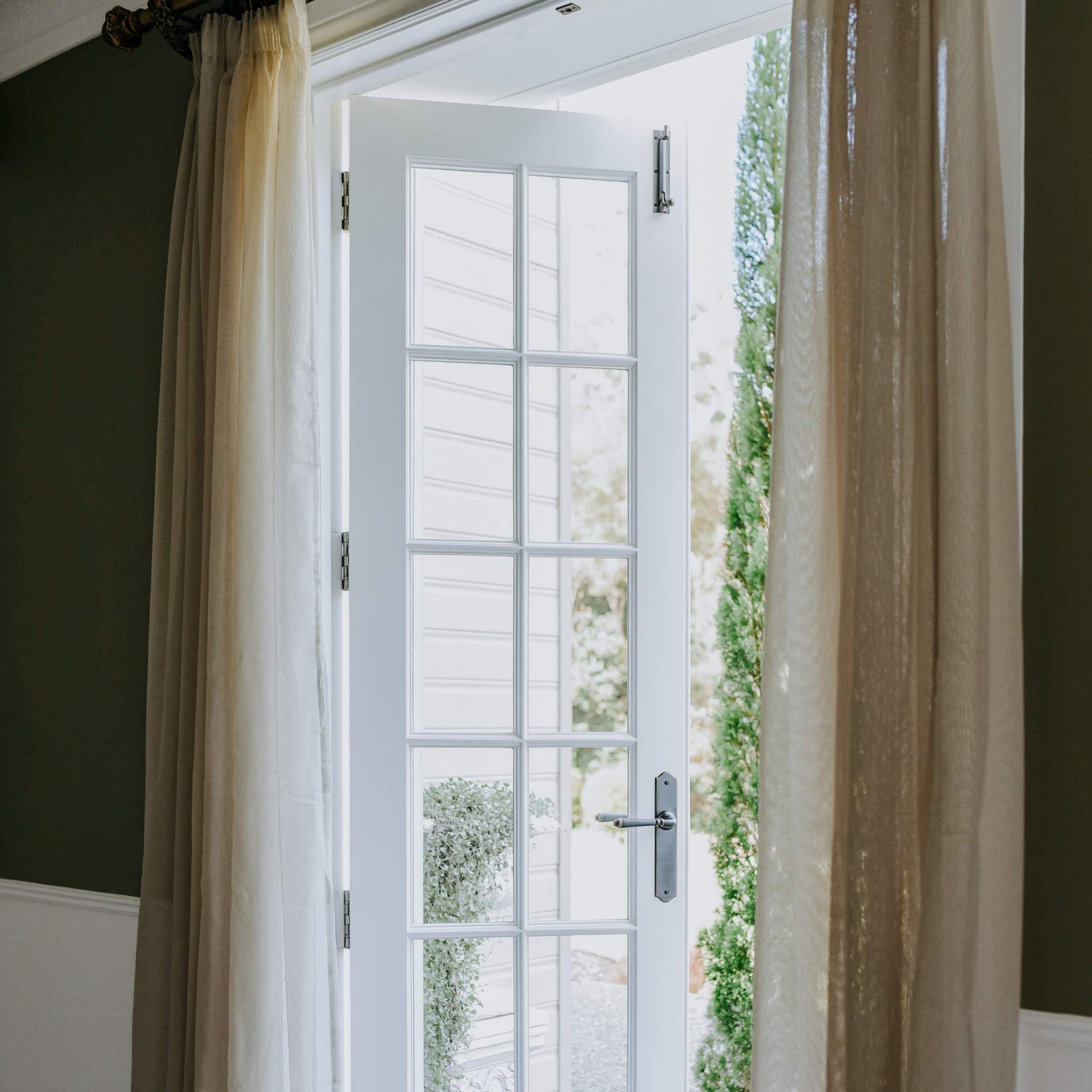
- traditional homes
- entry doors where more presence is desired
- interiors with richer, more textured materials
When carried consistently across a home, both finishes can feel cohesive — the difference lies in how much contrast and depth you want to introduce.
A Finish That Feels Right
Both finishes bring warmth — the difference lies in how they express it.
When aligned with your materials and lighting, either can feel considered and resolved without drawing unnecessary attention.
Small details make the strongest impression — especially when they’re chosen well.
Explore Brass Door Levers
If you're refining your selections, explore our range of Brass Door Levers.
From lighter brushed finishes to deeper antique tones, each piece is selected to bring balance, warmth, and clarity across your project.