

Choosing the Right Look
Choosing a finish shapes how a space comes together. It influences contrast, warmth, and how each element connects across the home.
At Assembly Doorware, our collections are curated to make this decision feel clear and considered—so each finish works not just on its own, but within the broader palette of your project.
Understanding Door Hardware Finishes
Door hardware is one of the most frequently used elements in a home. The finish you choose affects not only how it looks, but how it feels in context—alongside flooring, joinery, lighting, and tapware.
Some finishes introduce contrast. Others soften and integrate. The right choice depends on the balance you want to create.
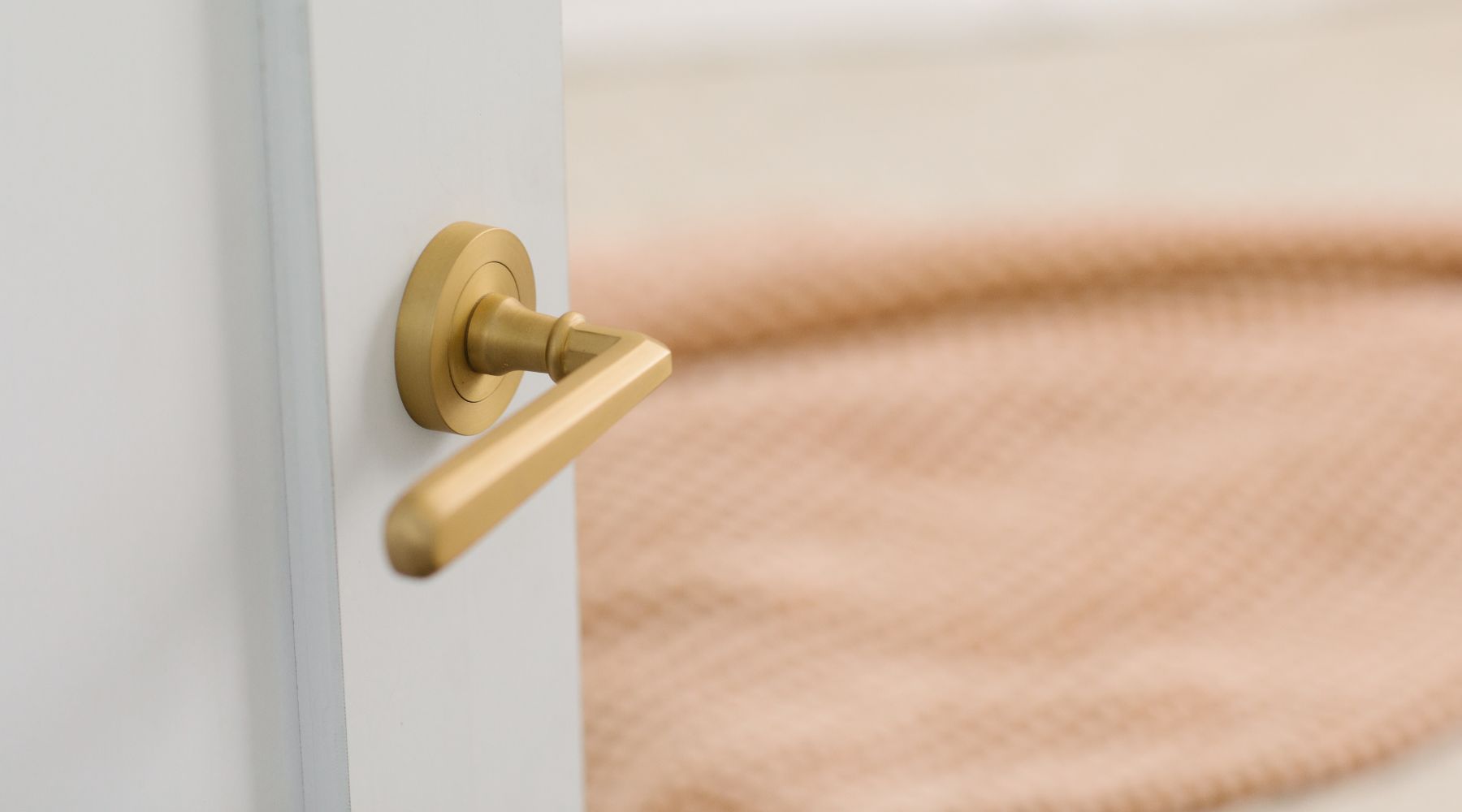
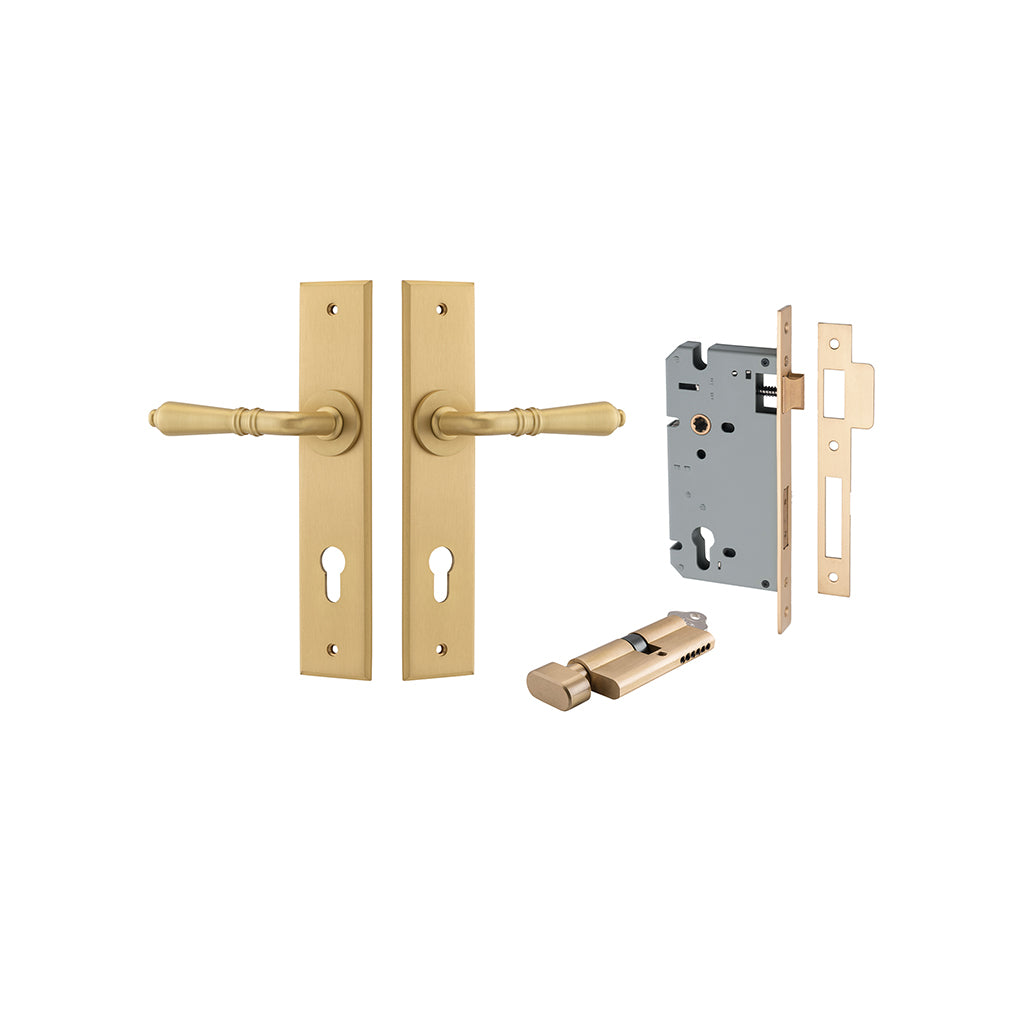
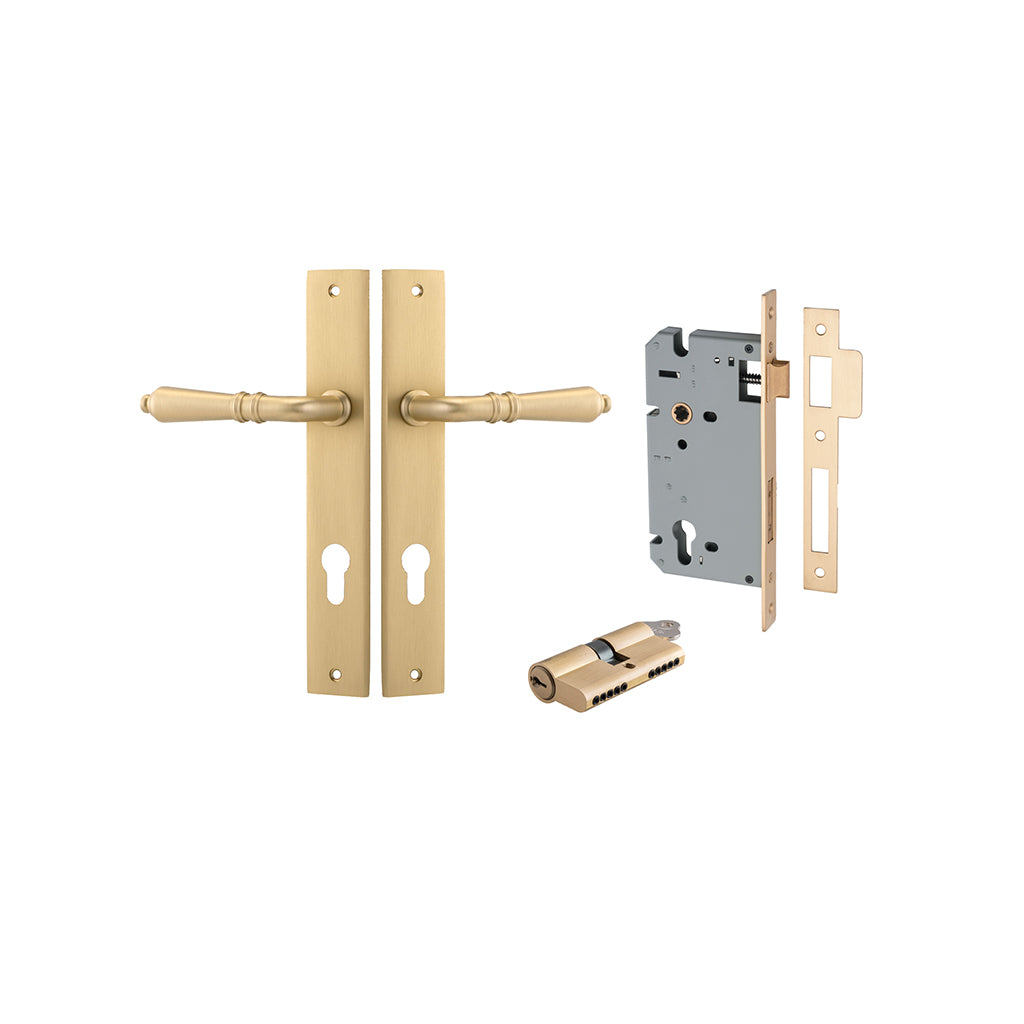
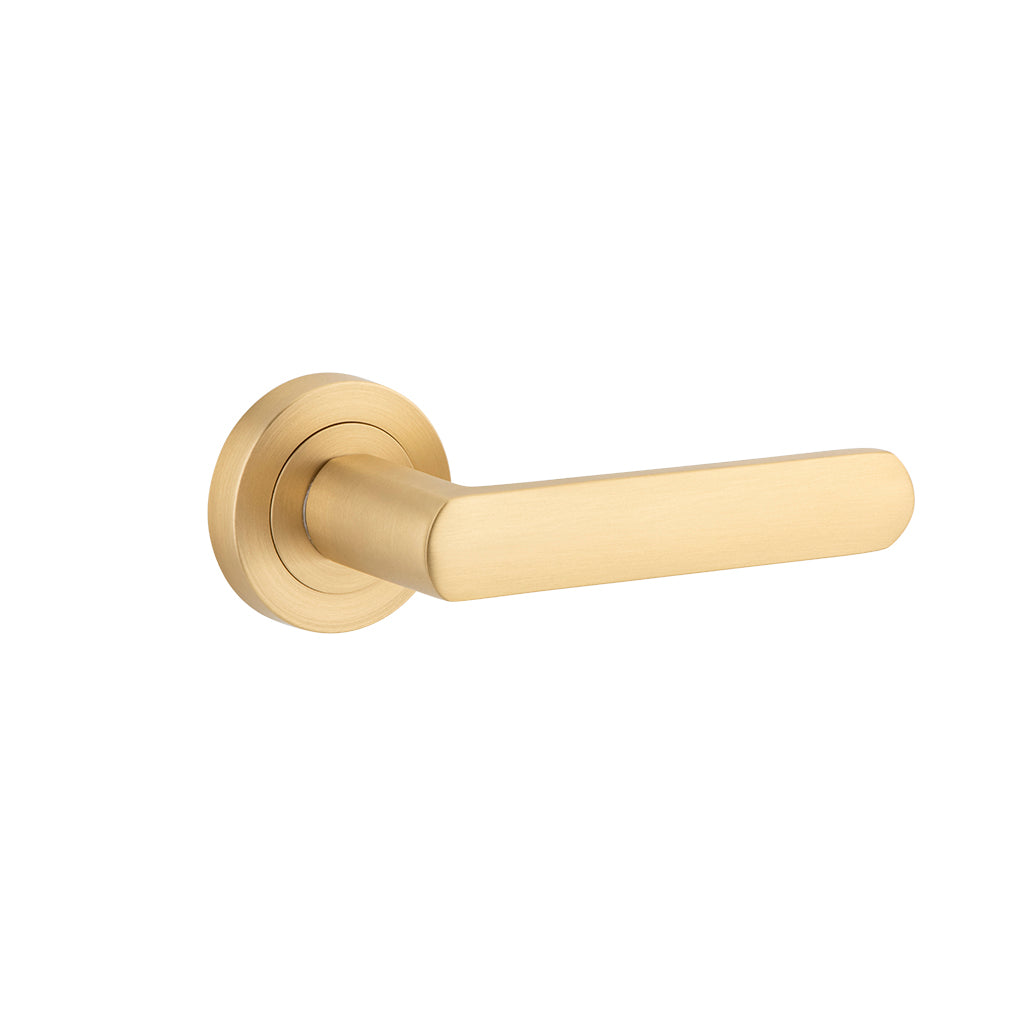
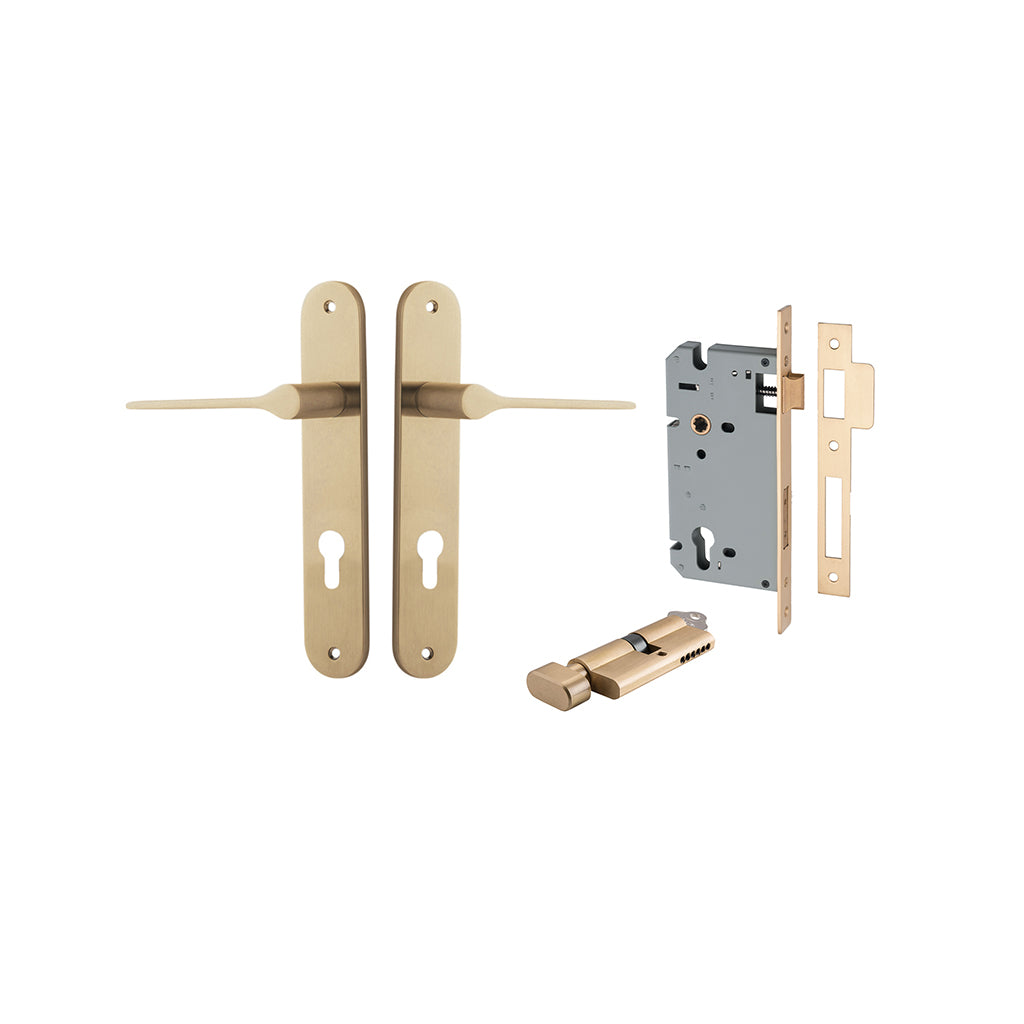
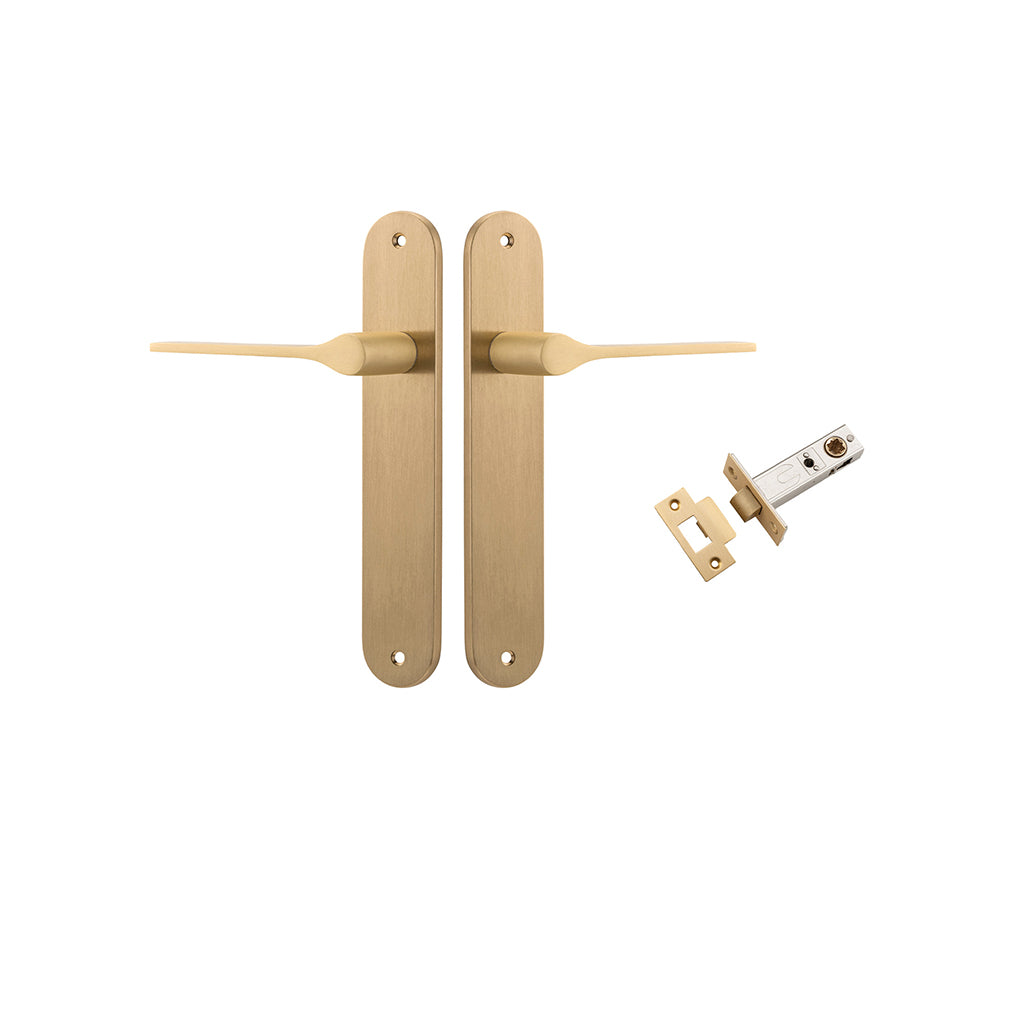
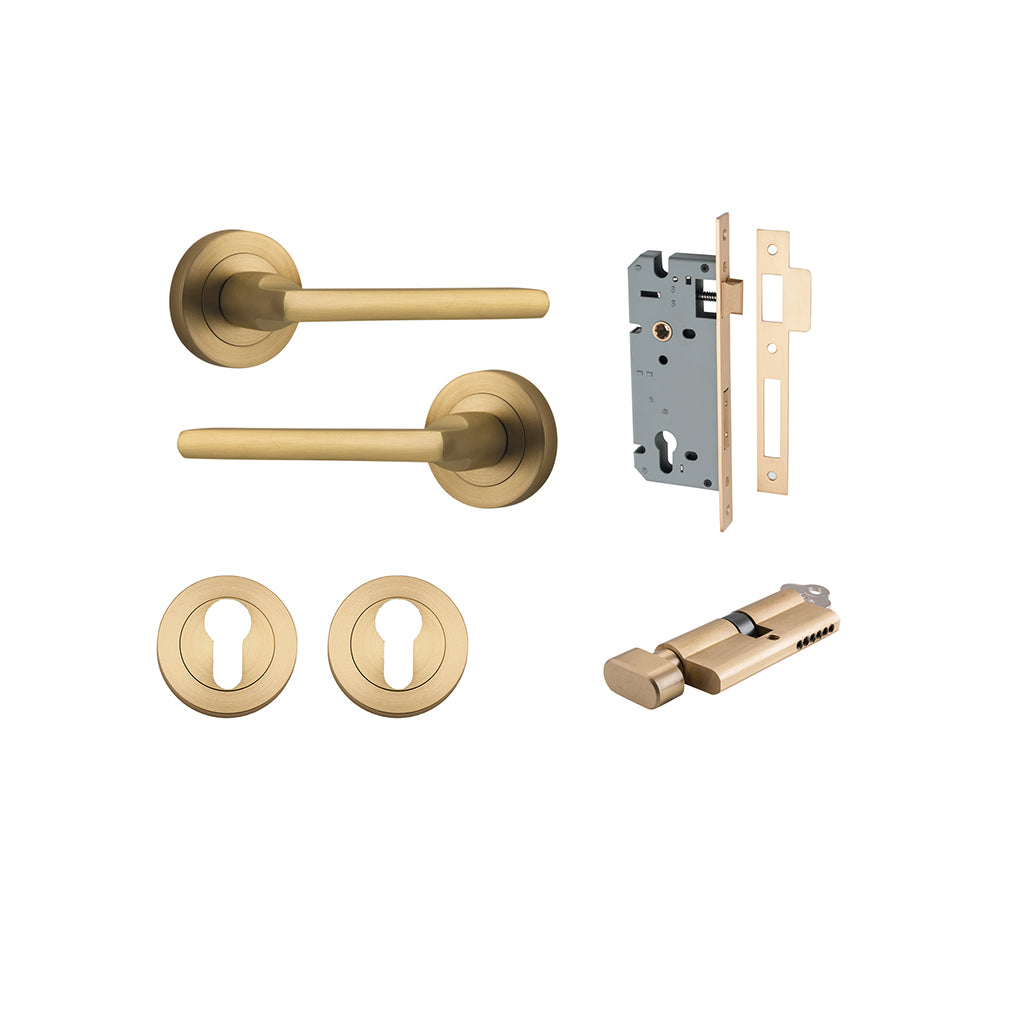
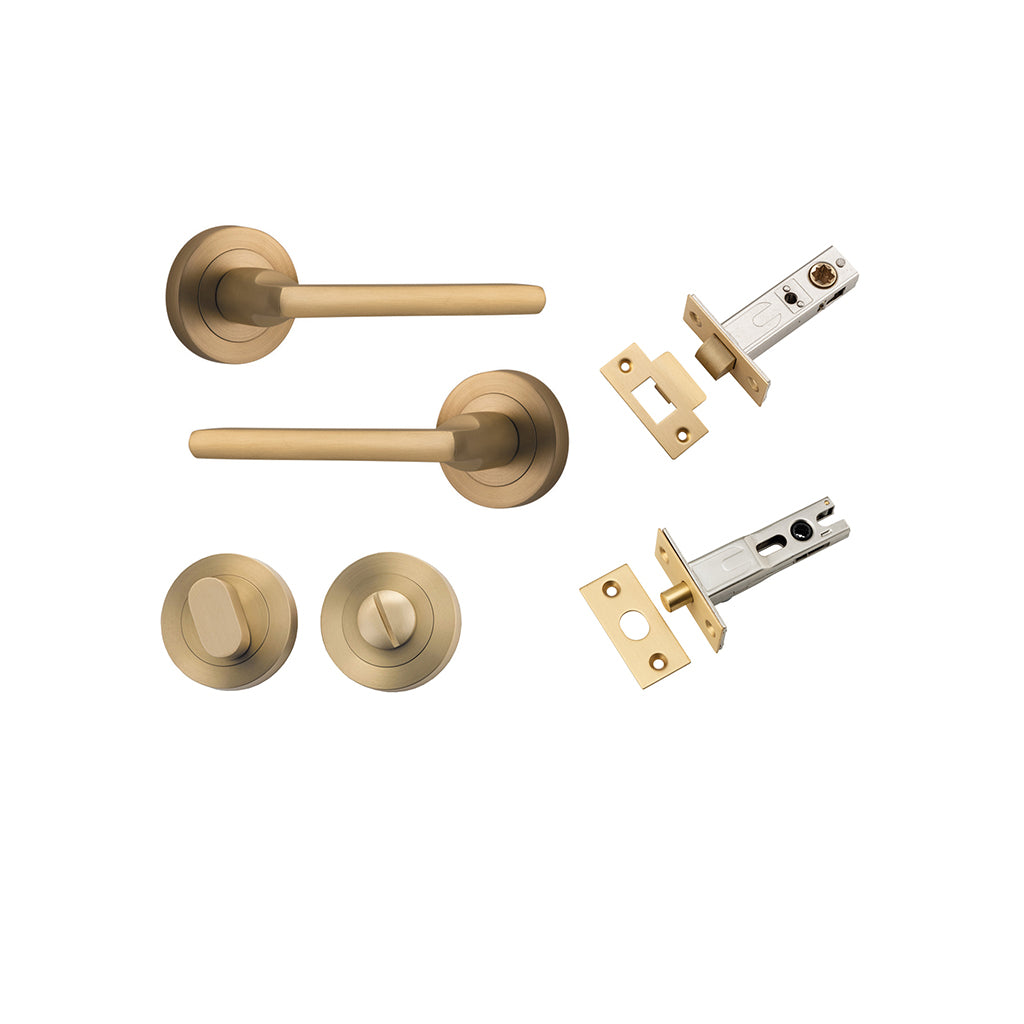
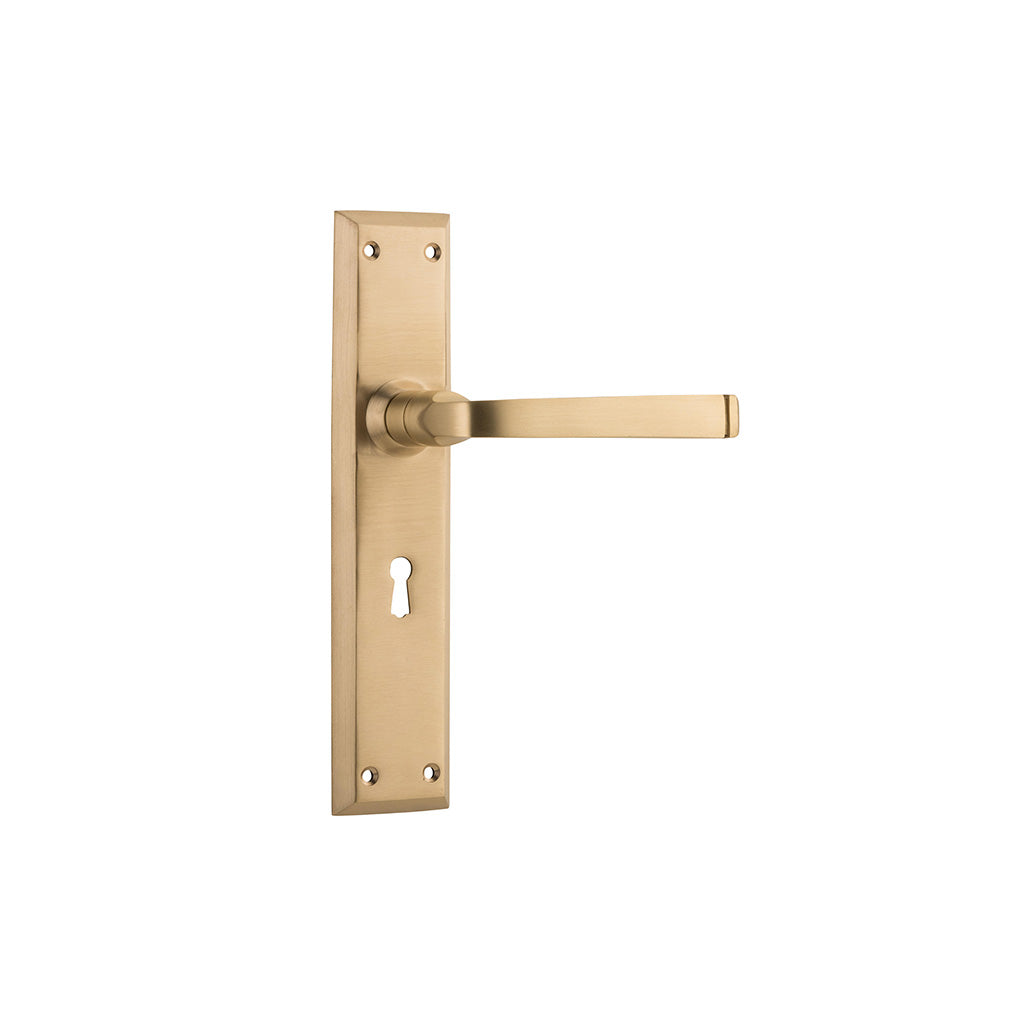
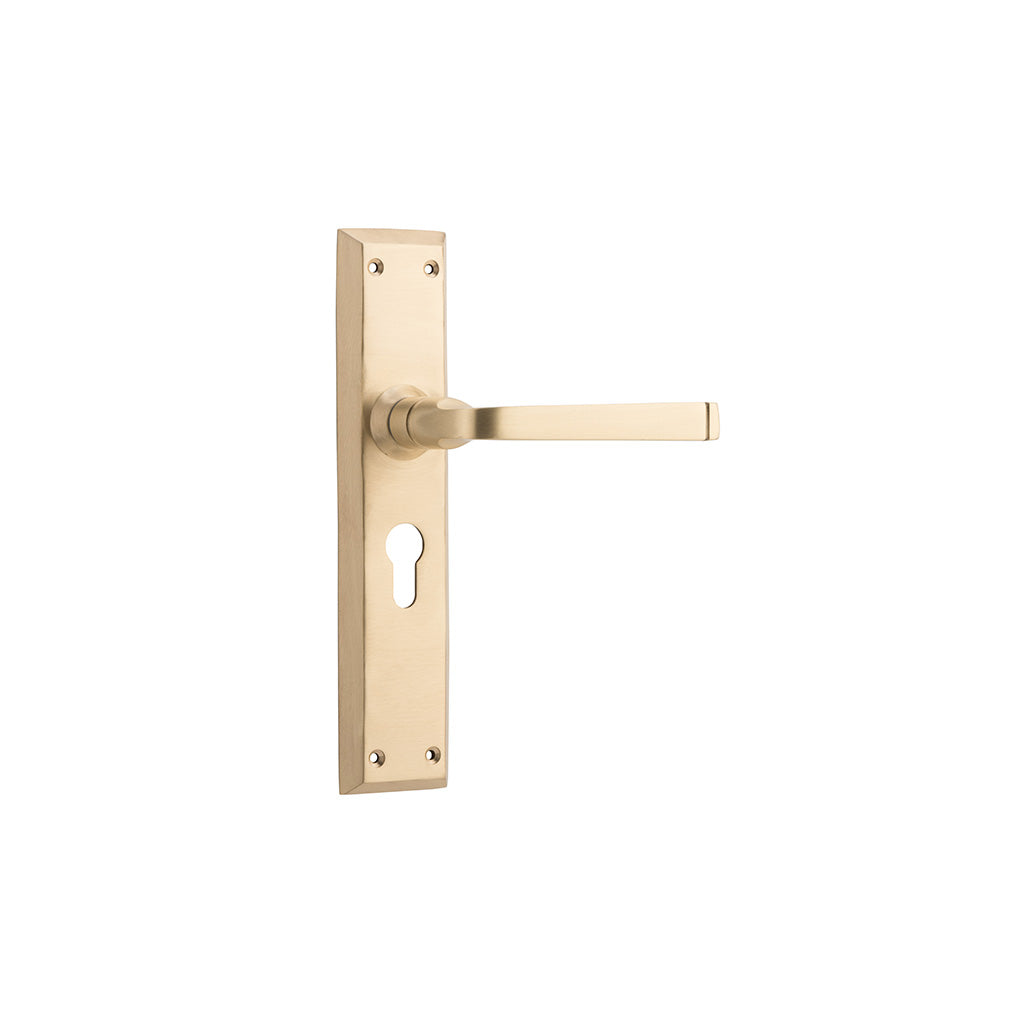
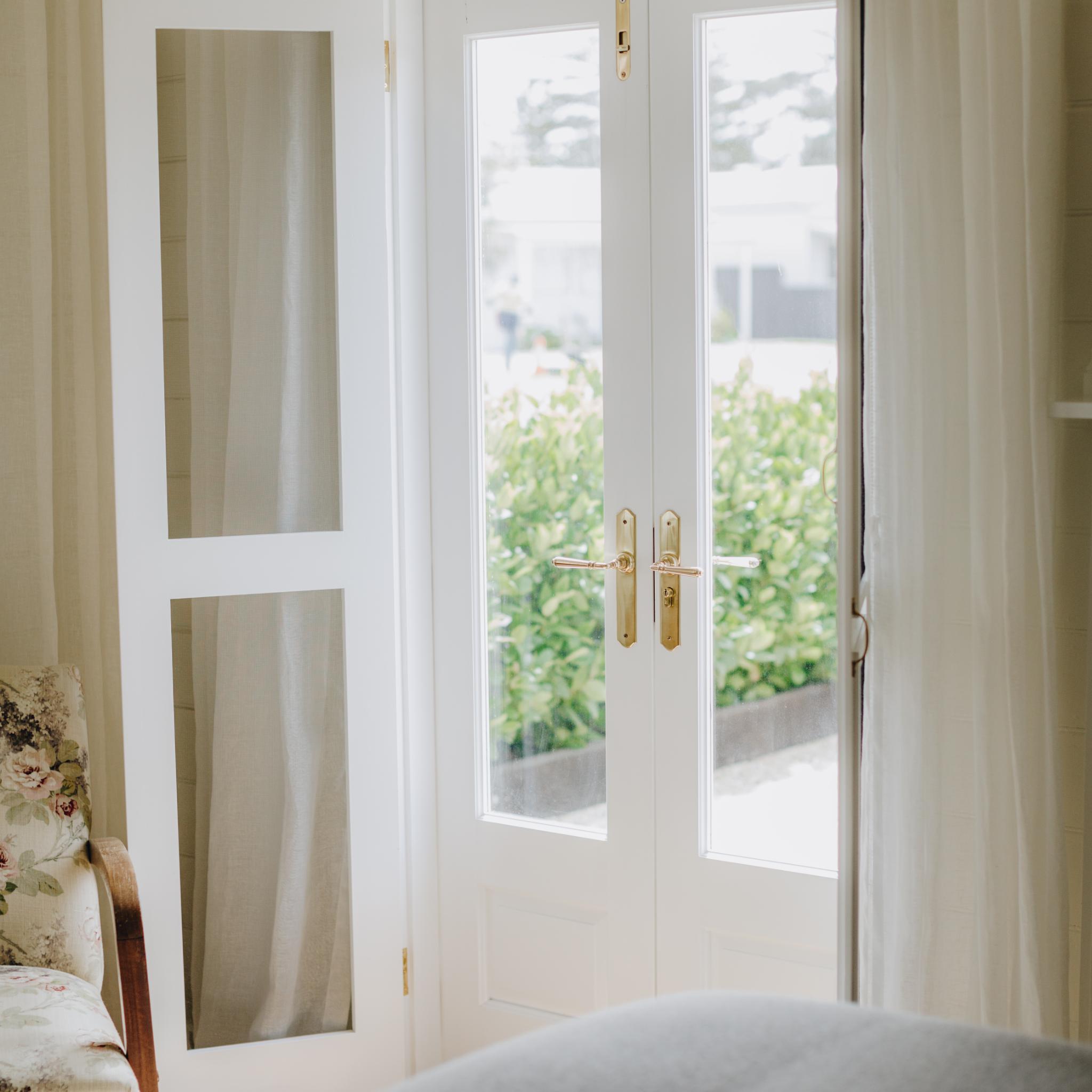
Brushed Brass Door Levers
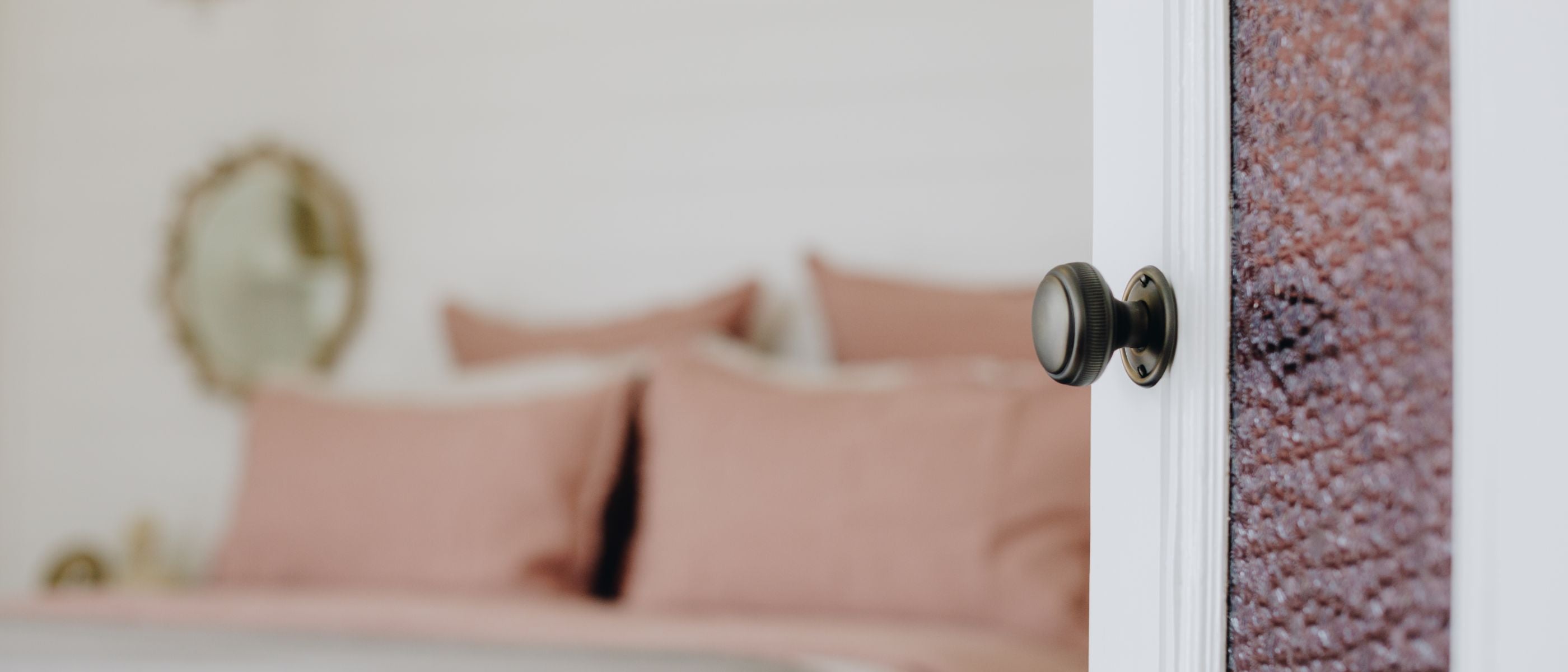
Warm, soft, and quietly expressive. Brushed brass introduces depth without feeling overly polished, making it well suited to spaces with natural materials and layered tones.
Often paired with timber, stone, and warmer palettes, it brings a sense of subtle richness while remaining restrained.
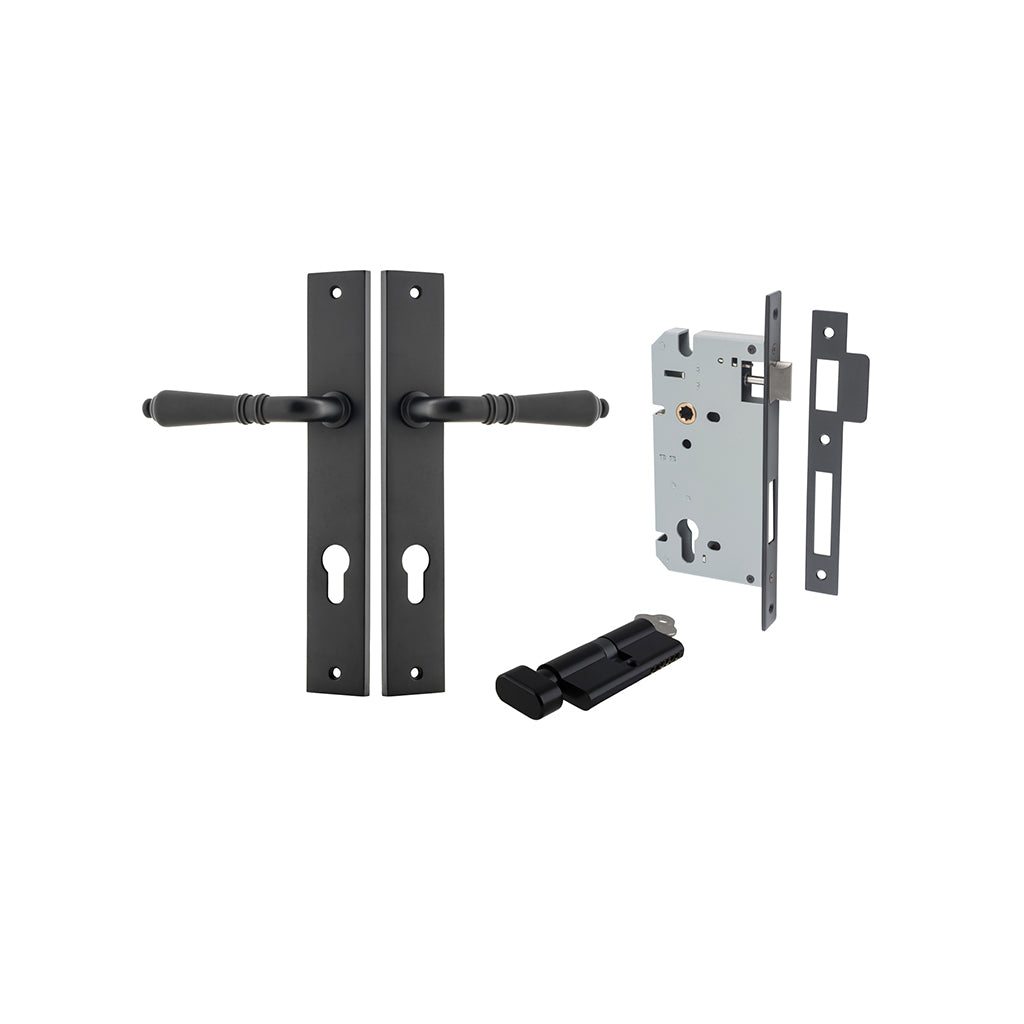
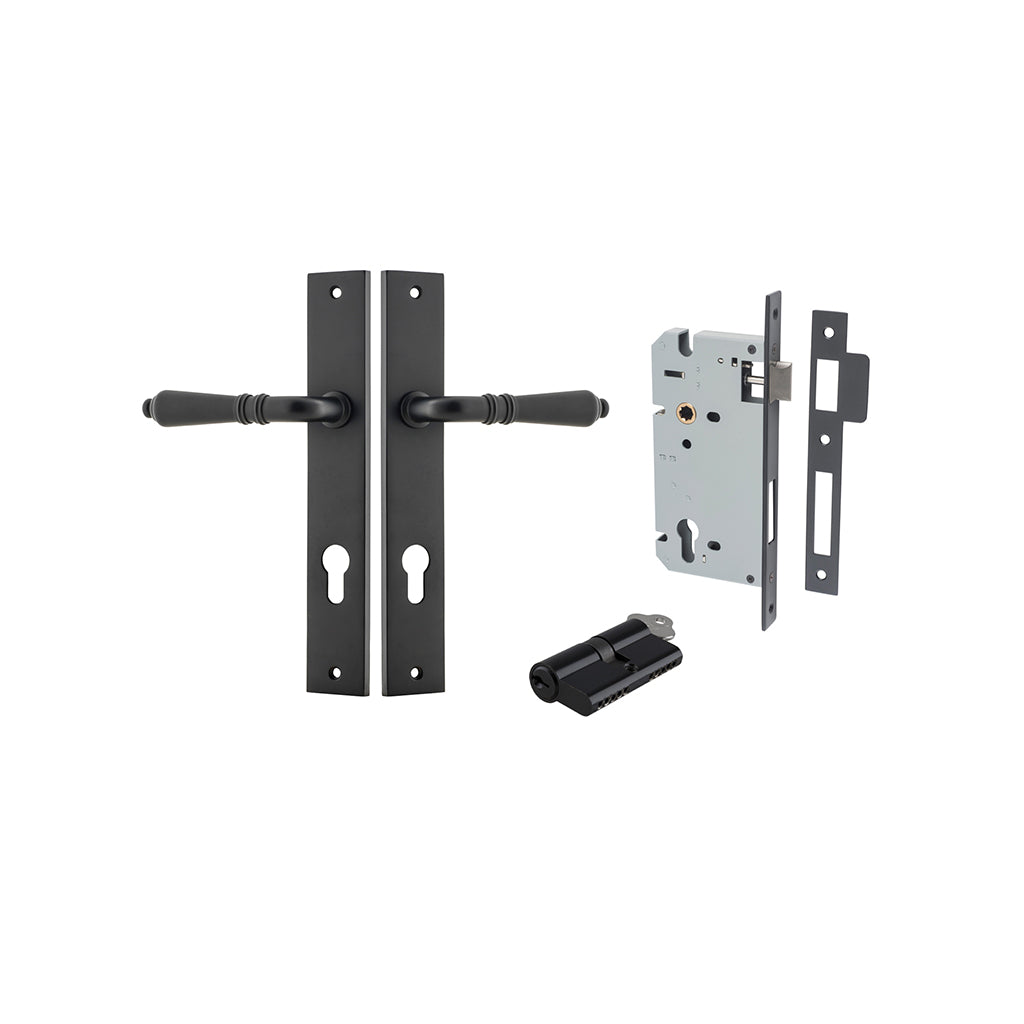
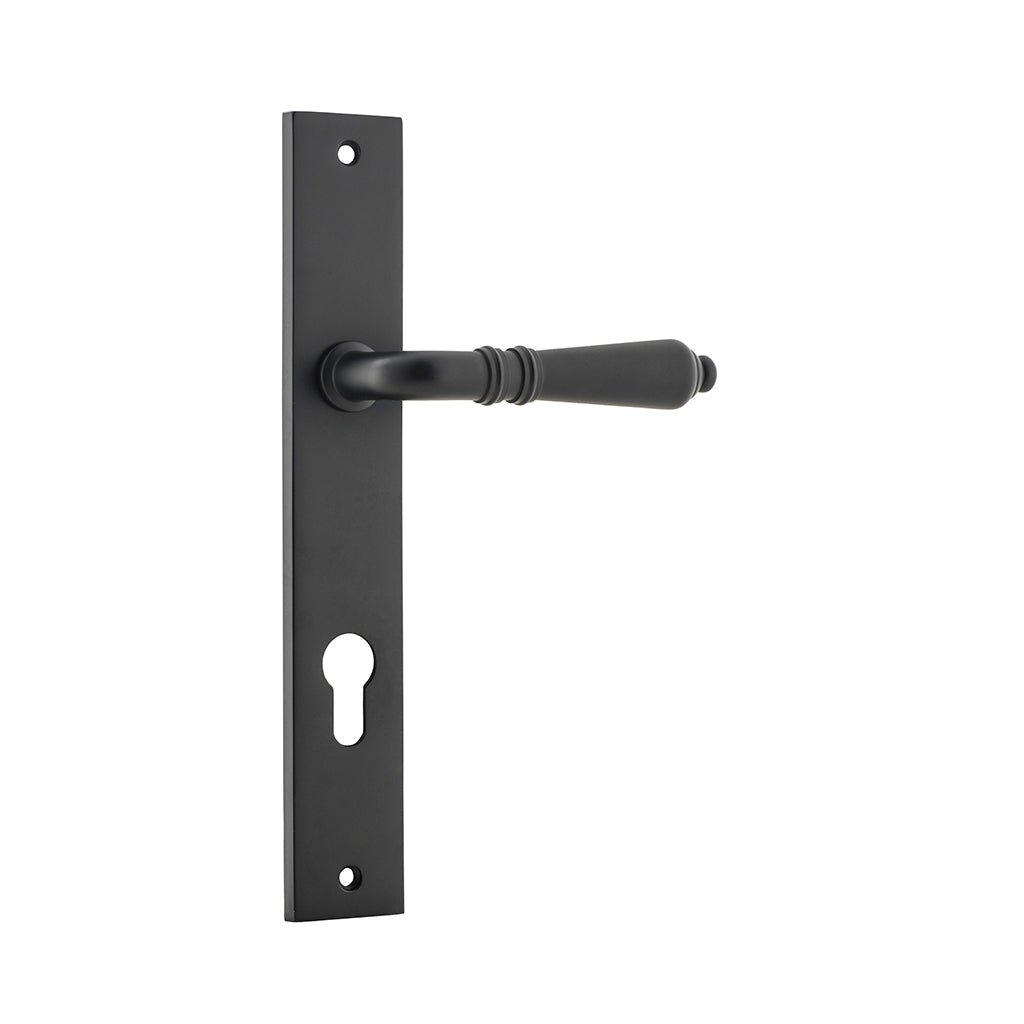
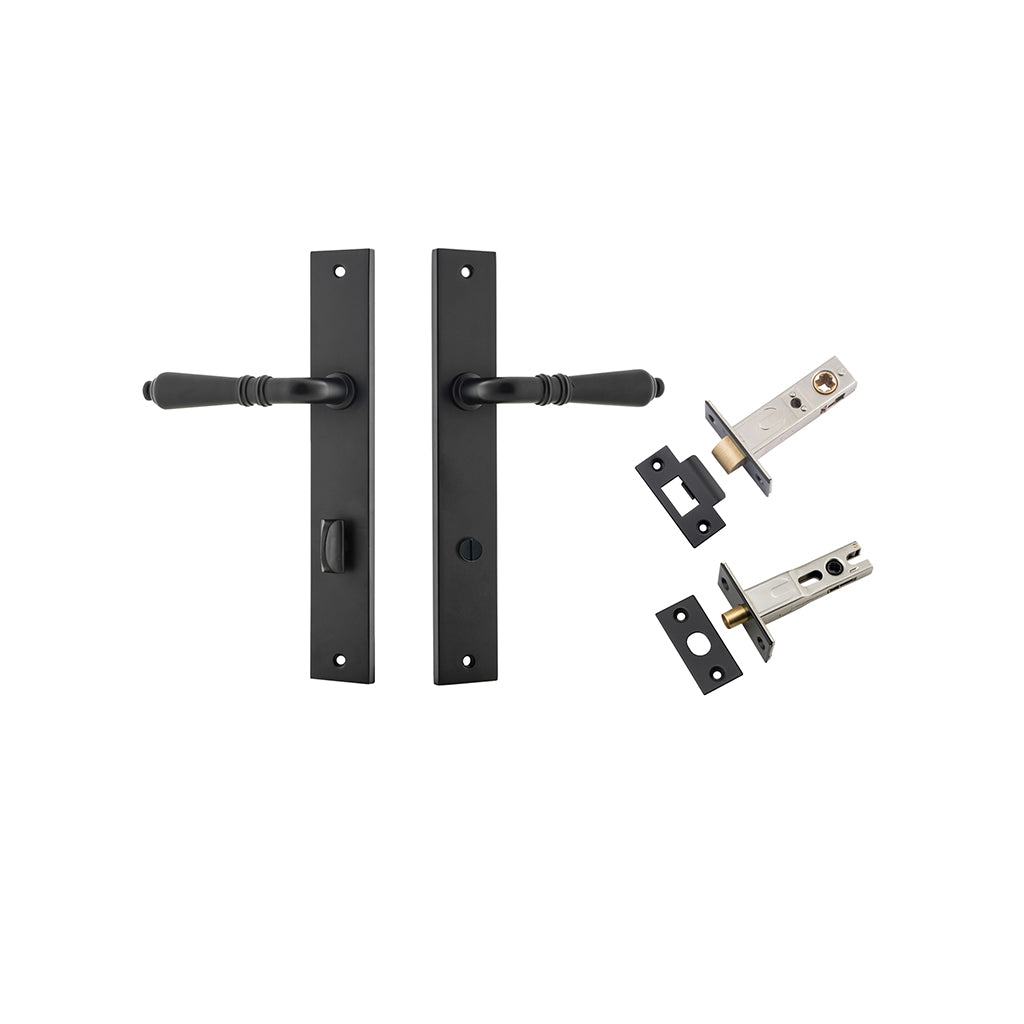
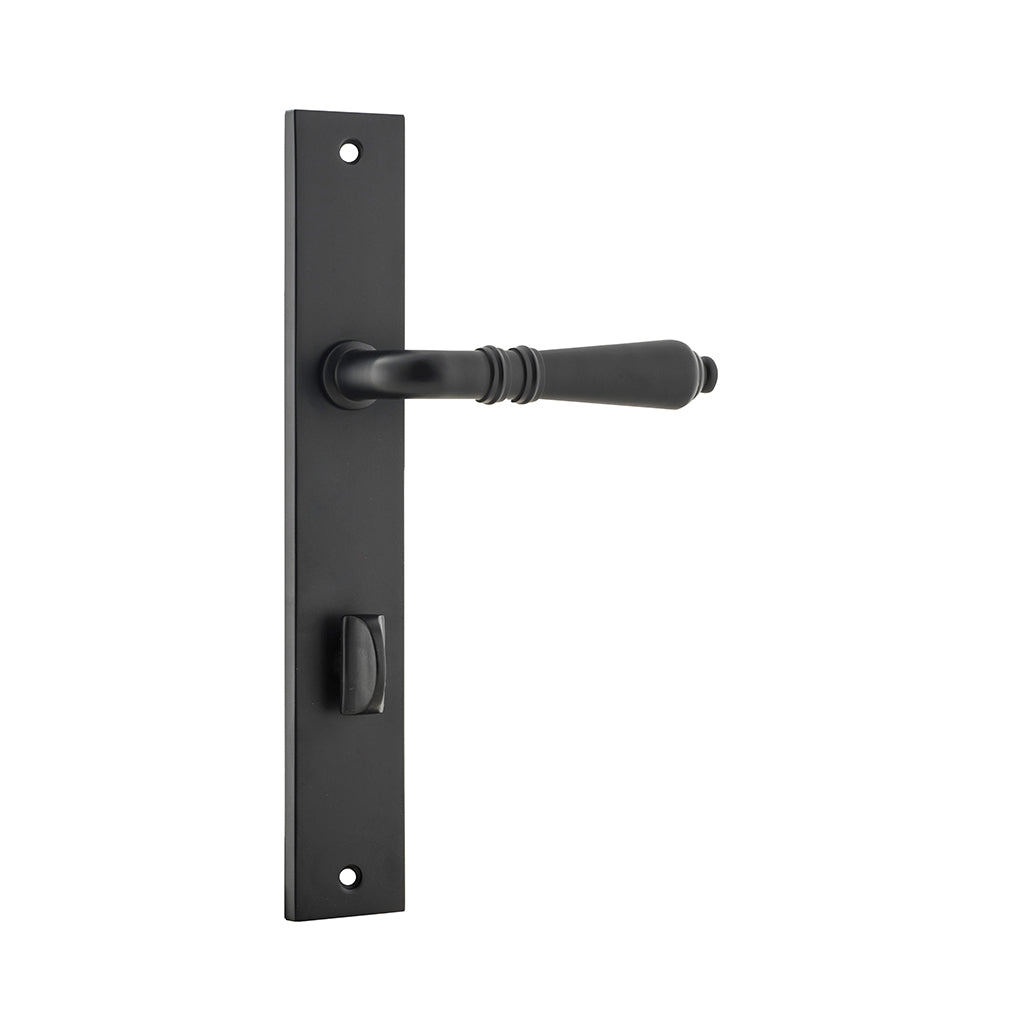
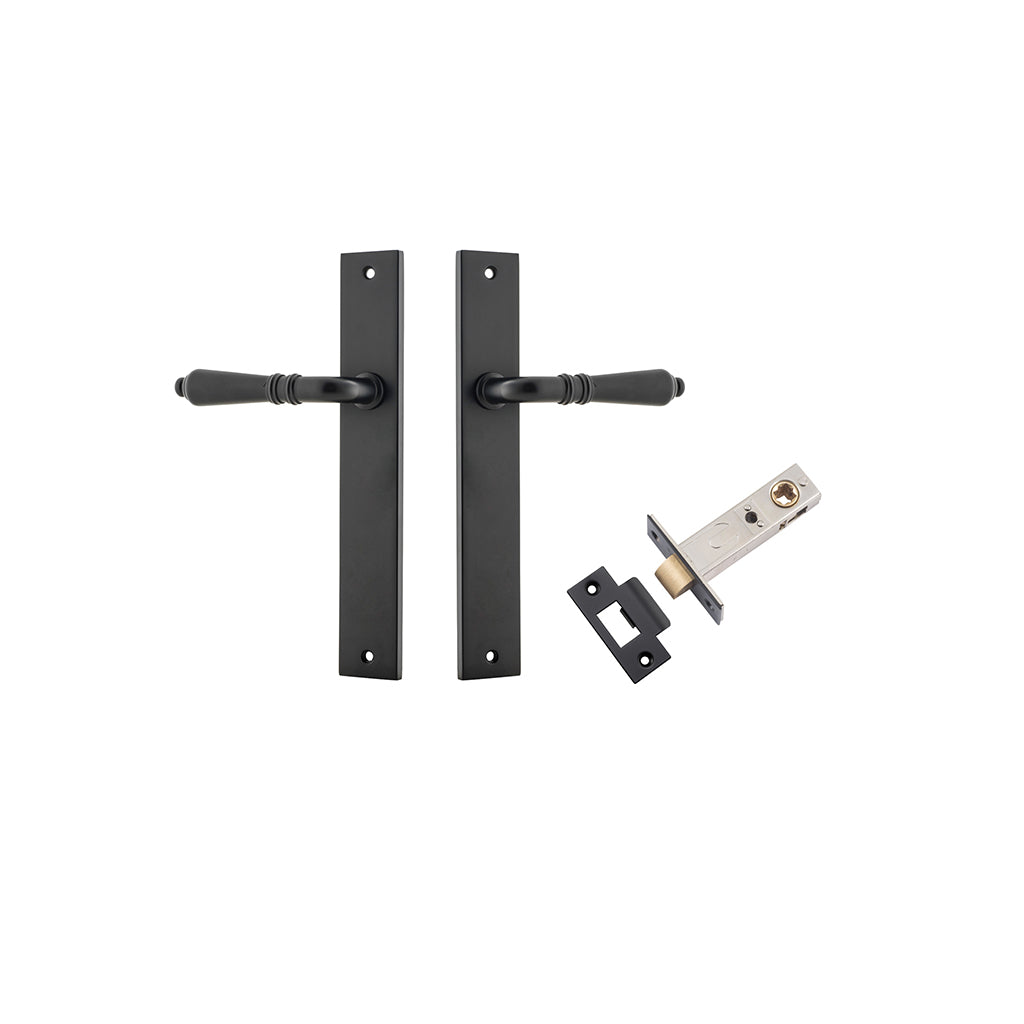
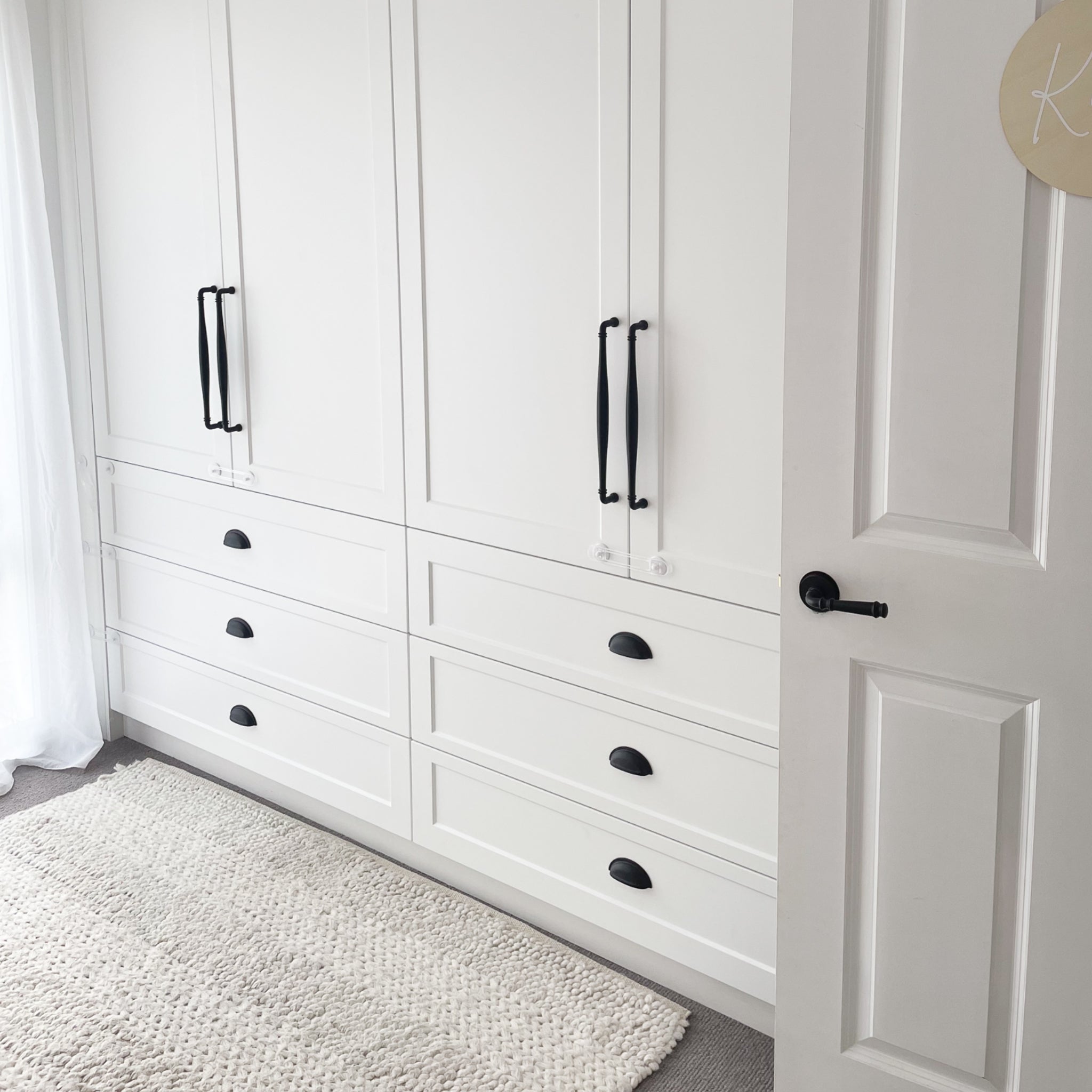
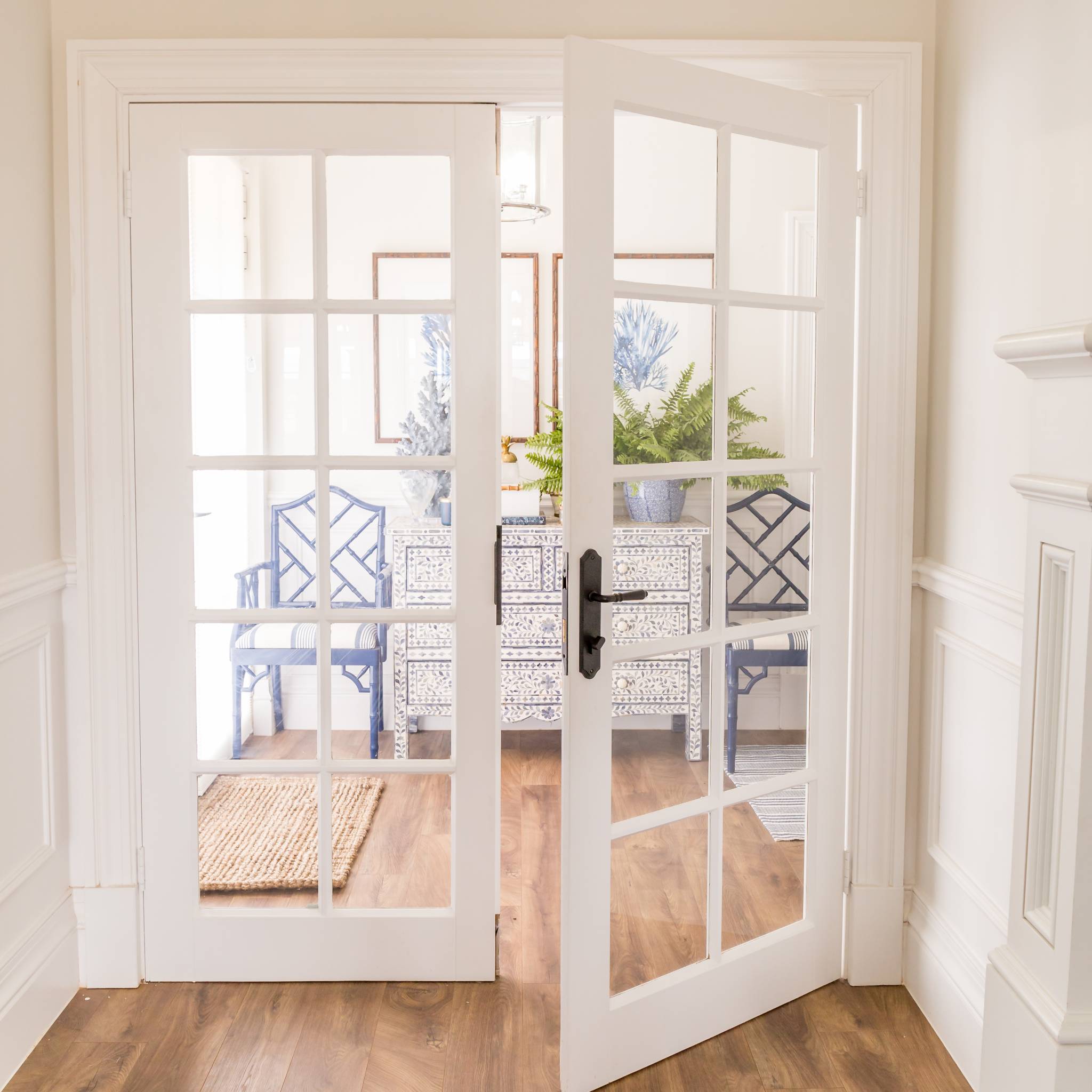
Matt Black Door Levers
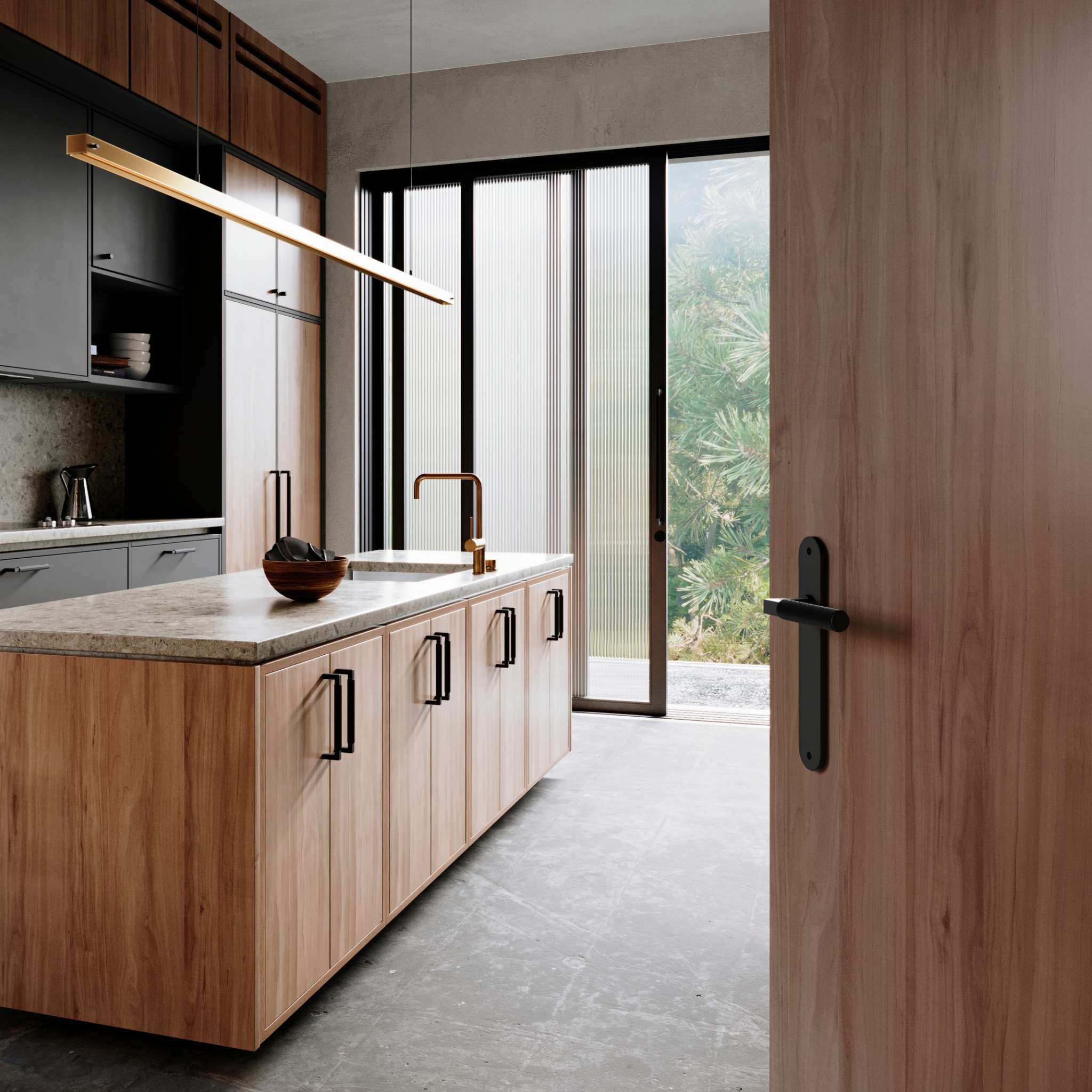
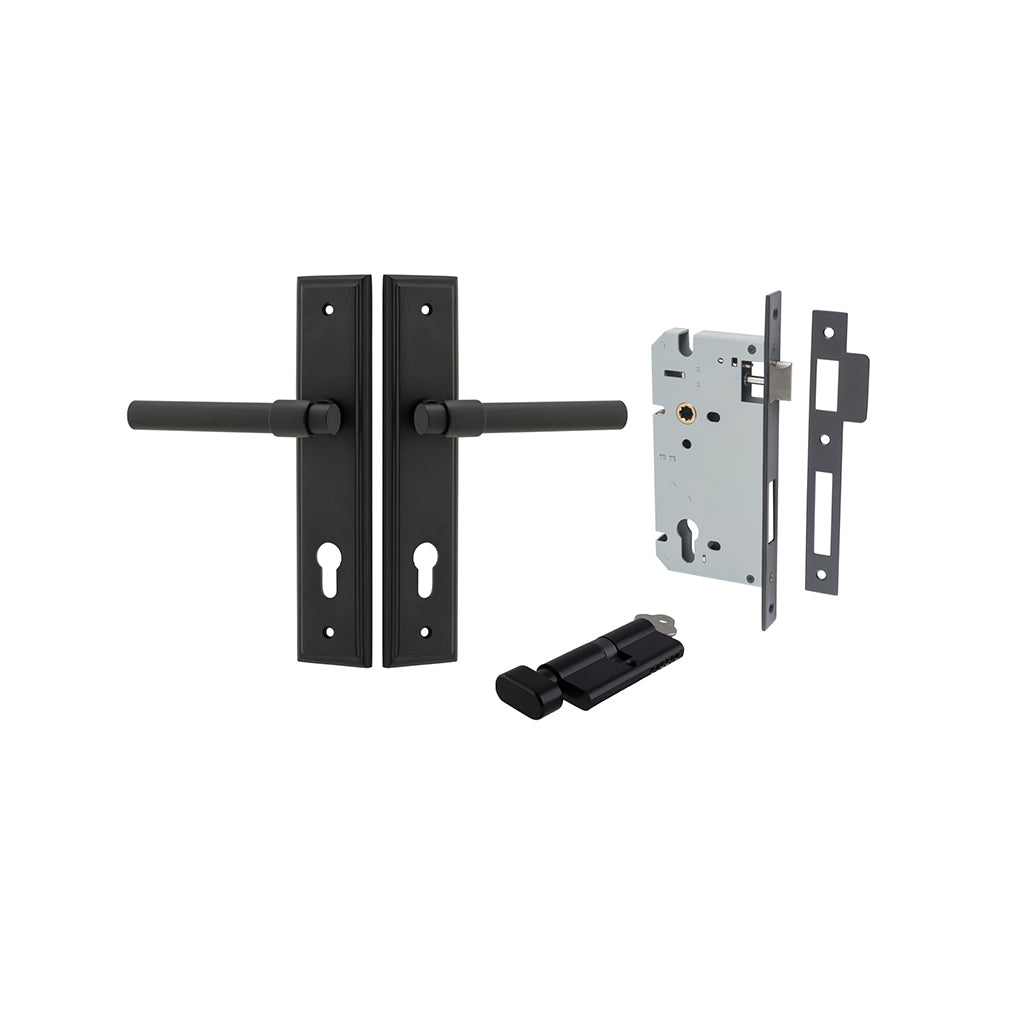
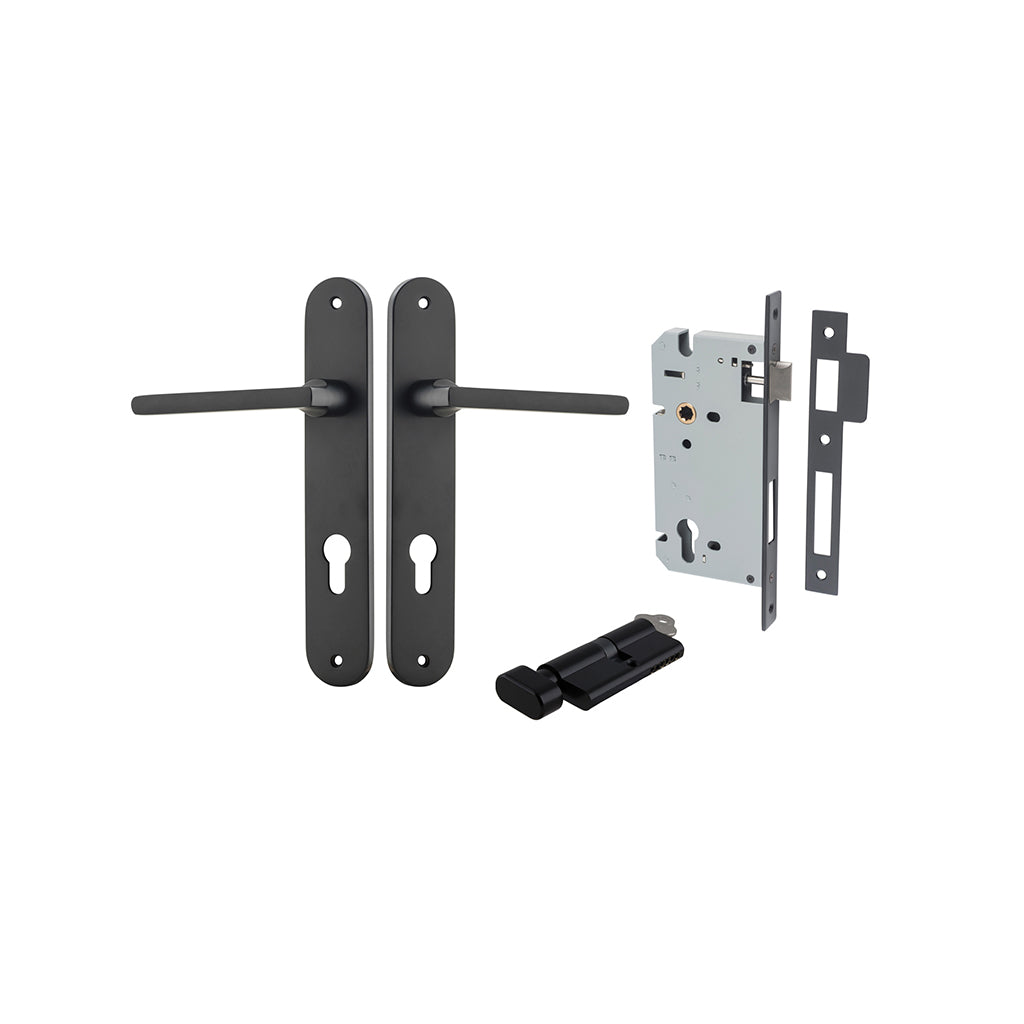
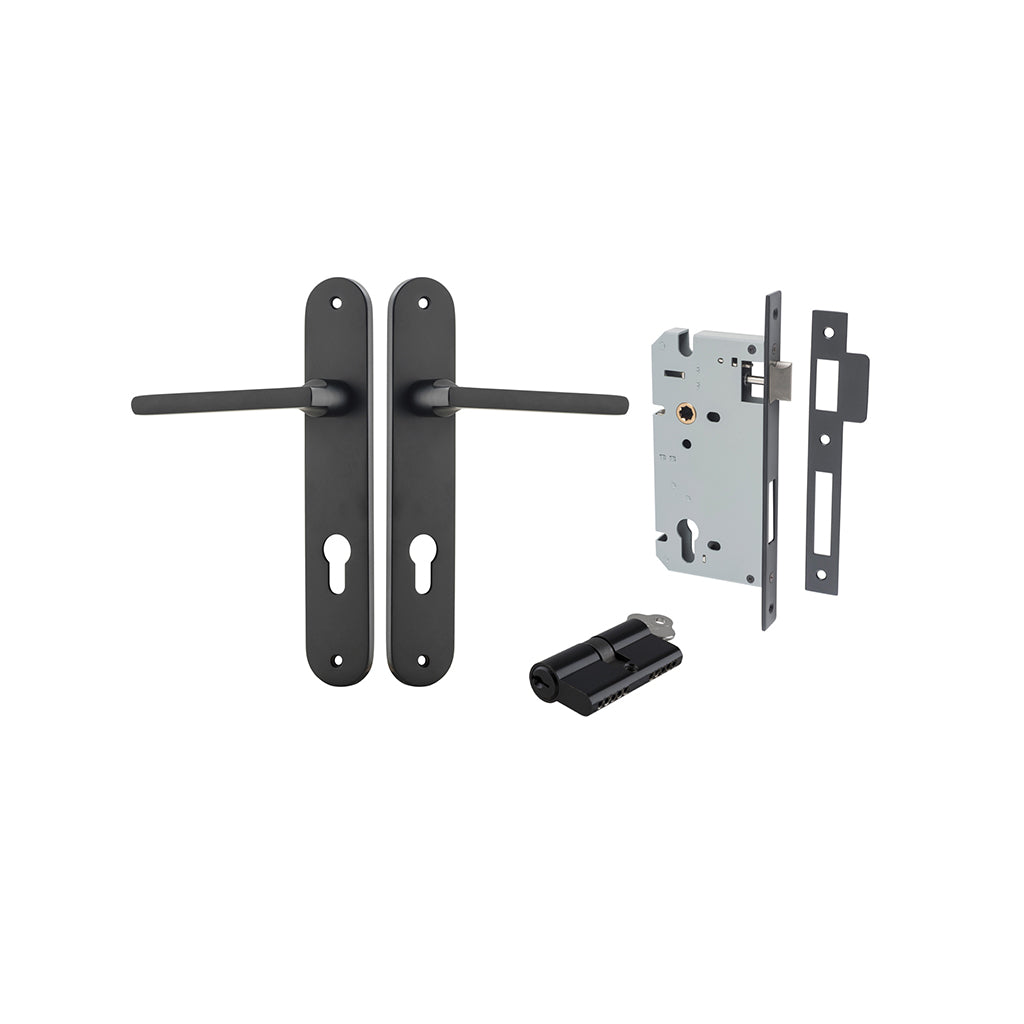
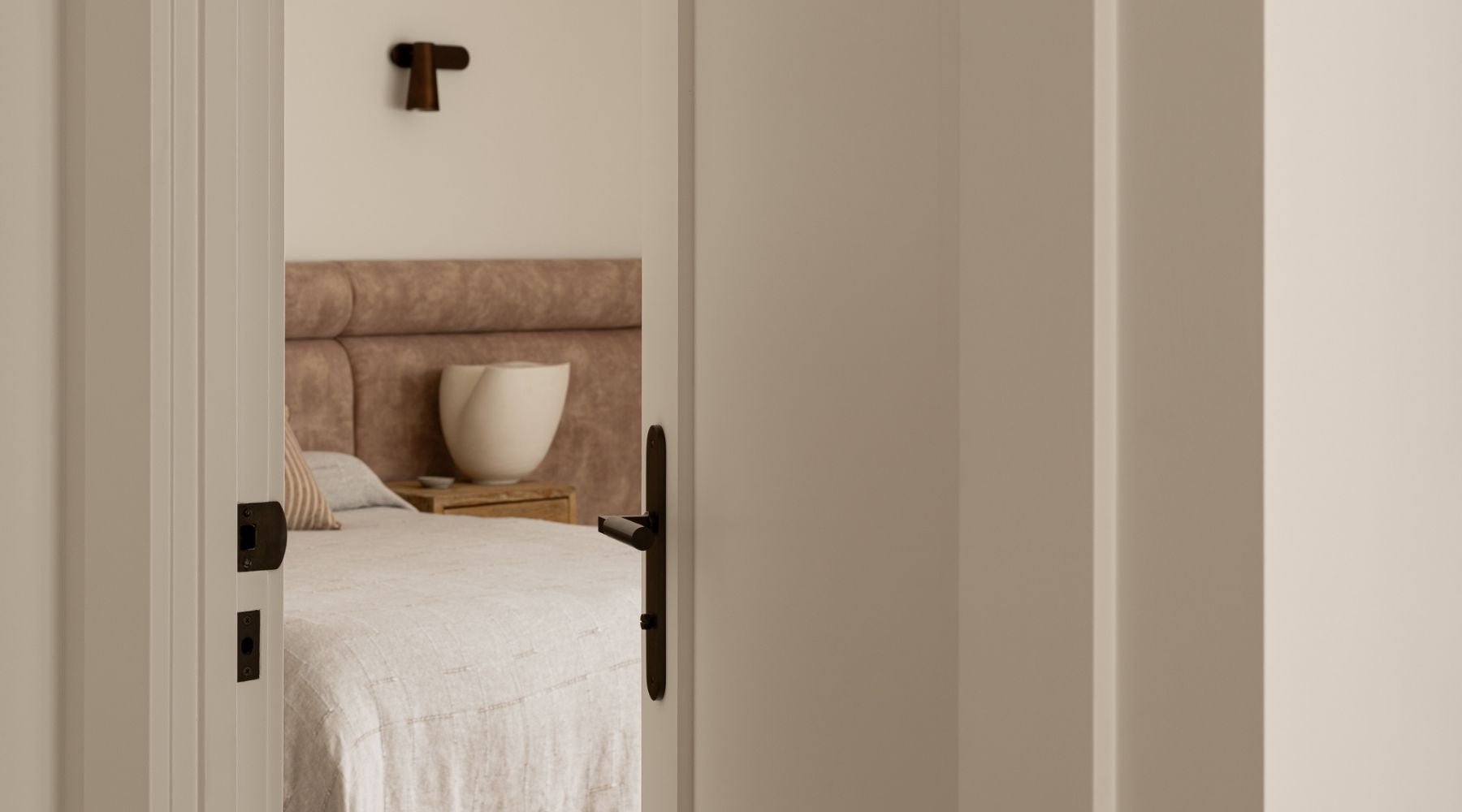
Defined and structured. Matt black creates contrast and anchors lighter interiors, offering a strong visual outline without unnecessary detail.
It works well in spaces where clarity and simplicity are key—particularly alongside crisp joinery and neutral palettes.
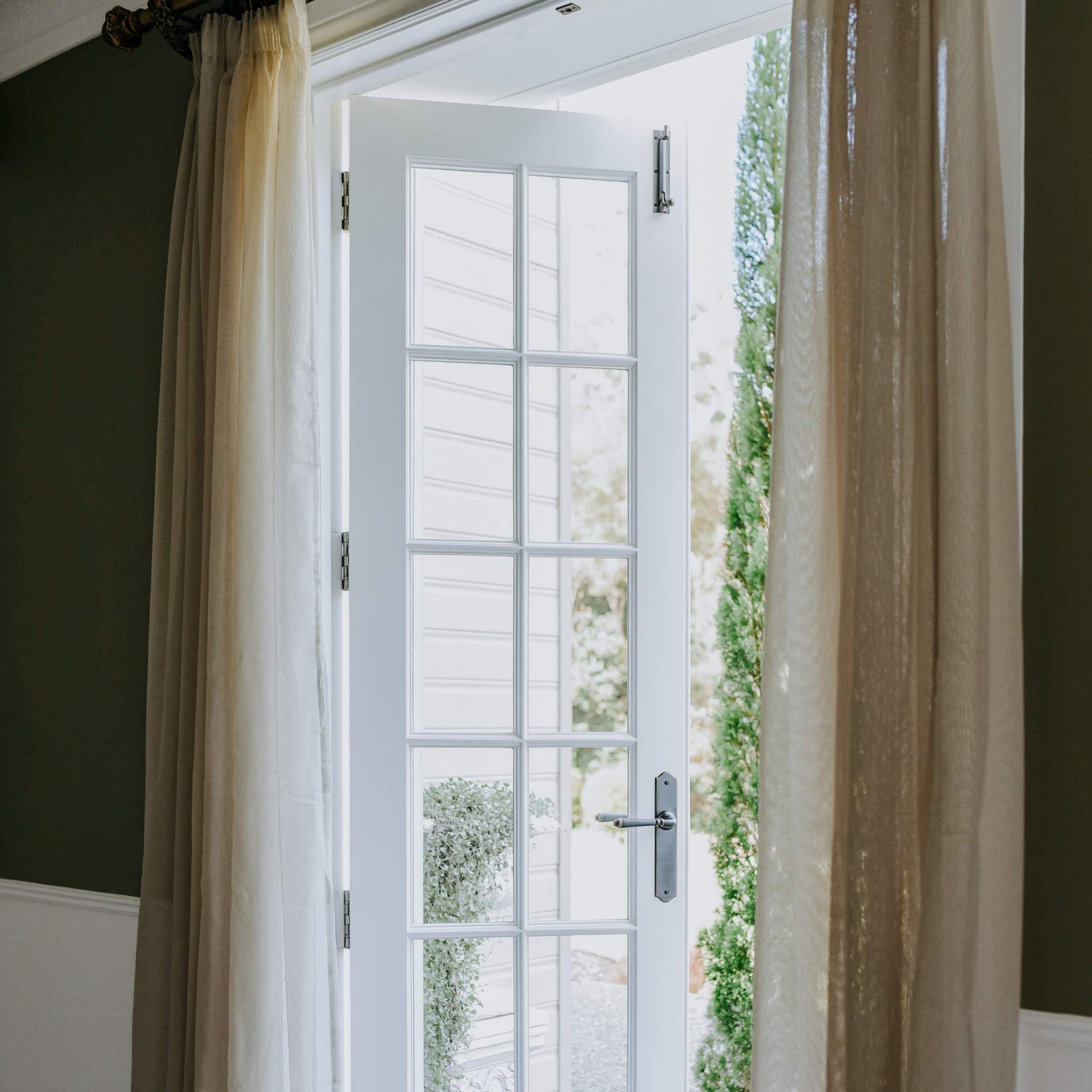
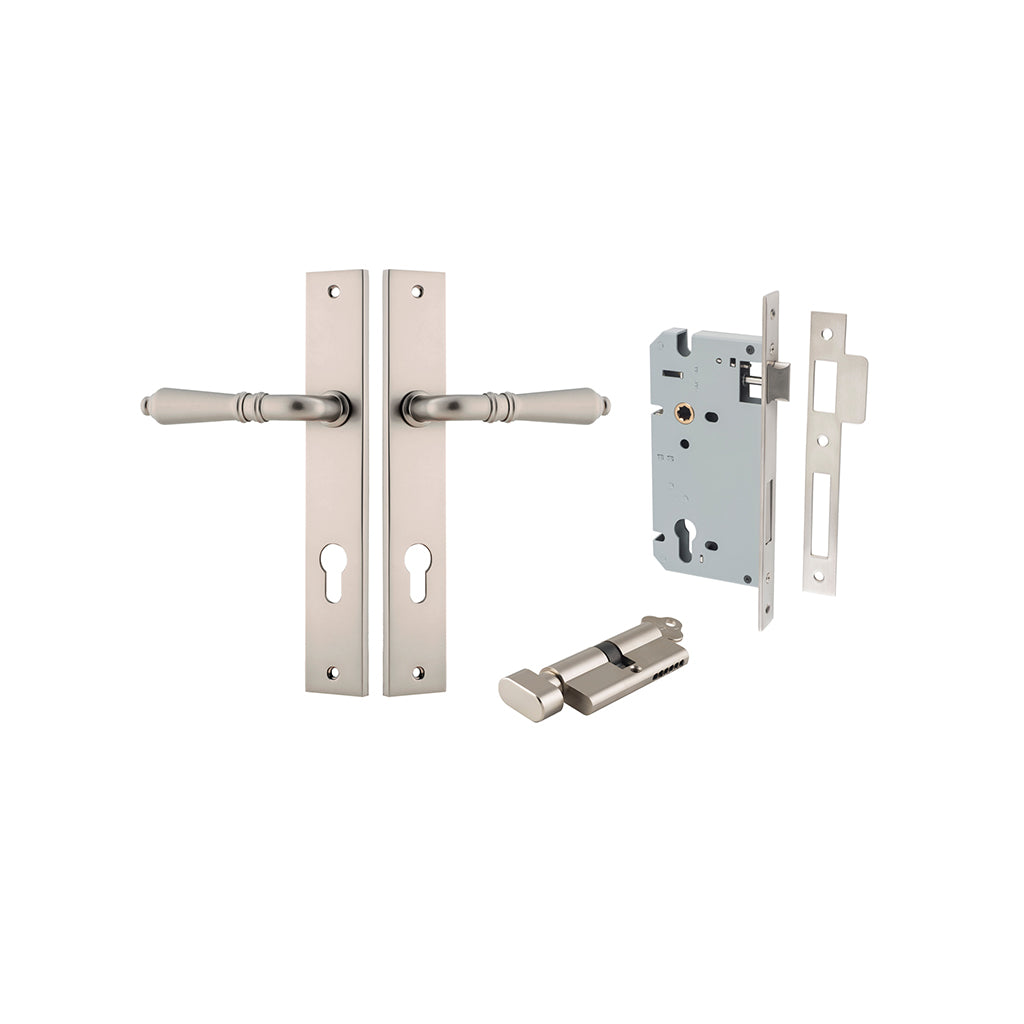
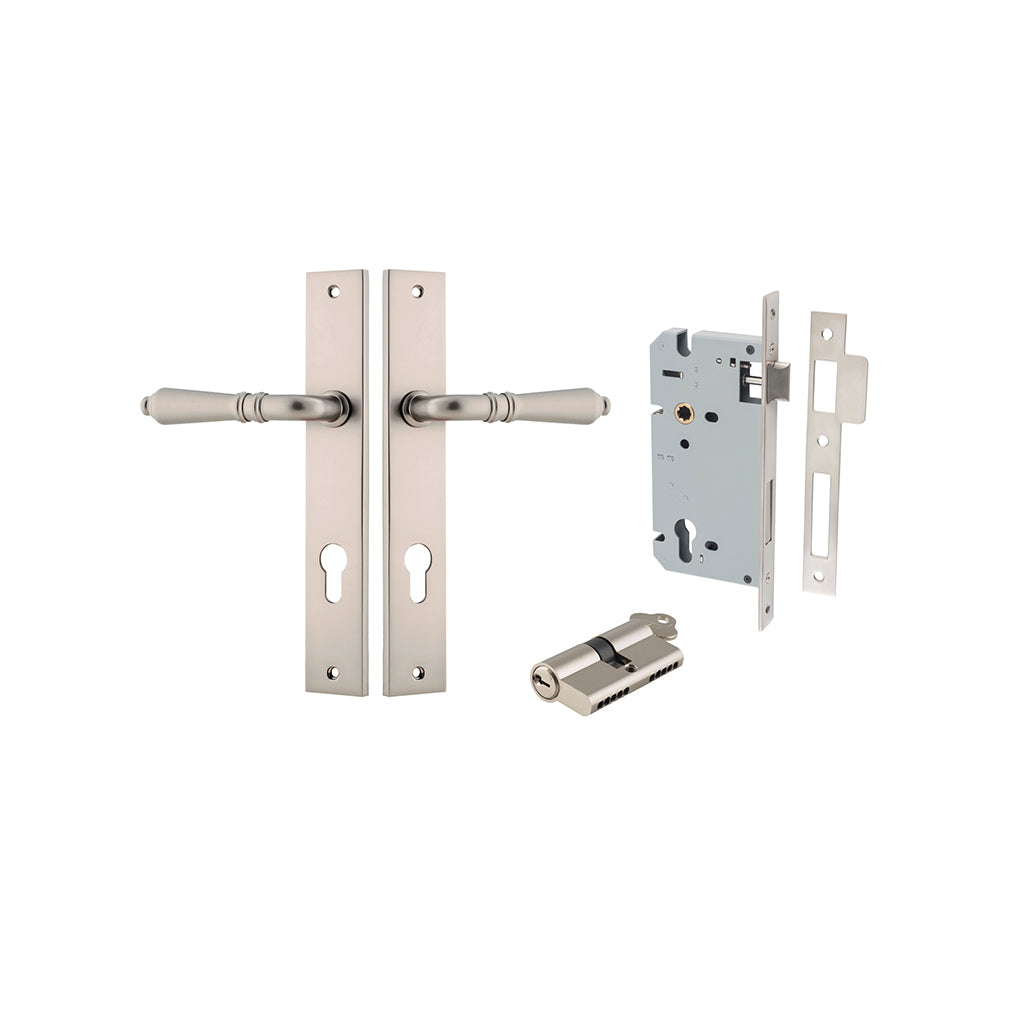
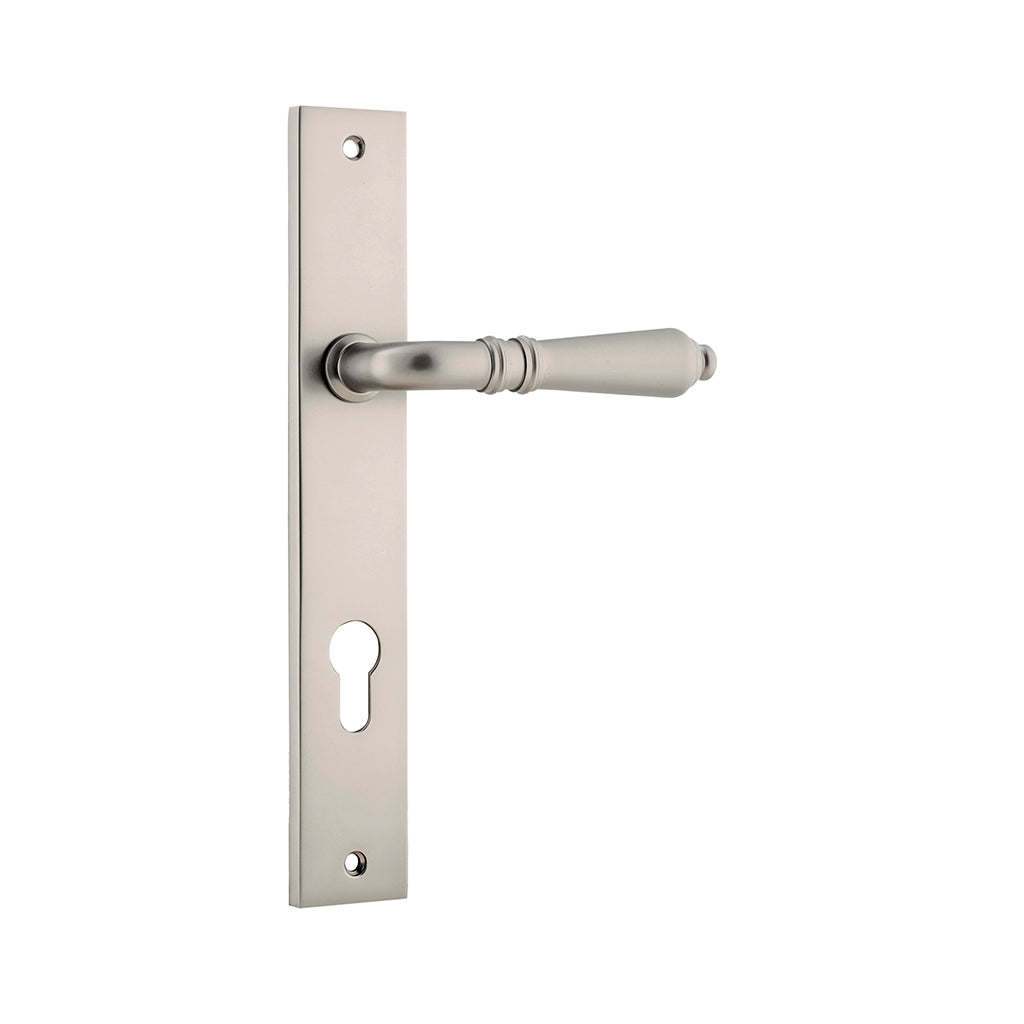
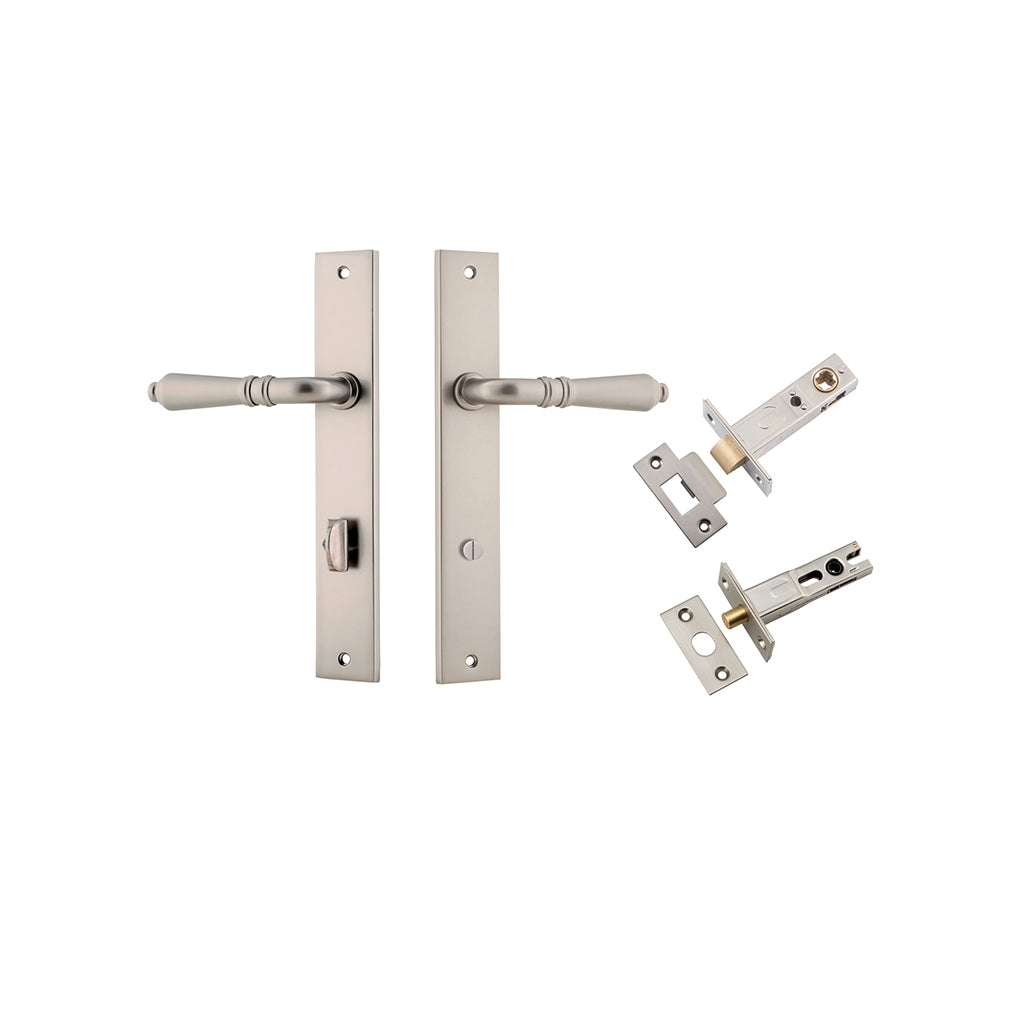
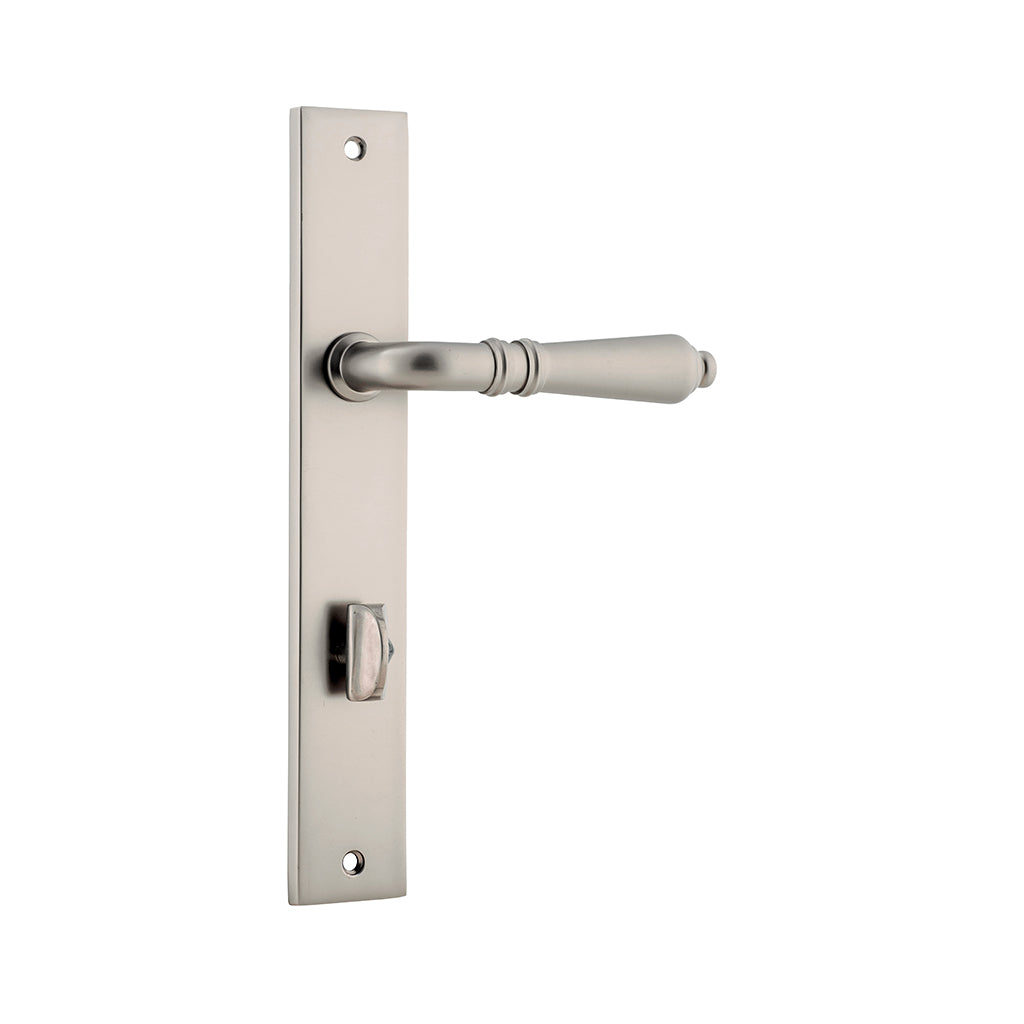
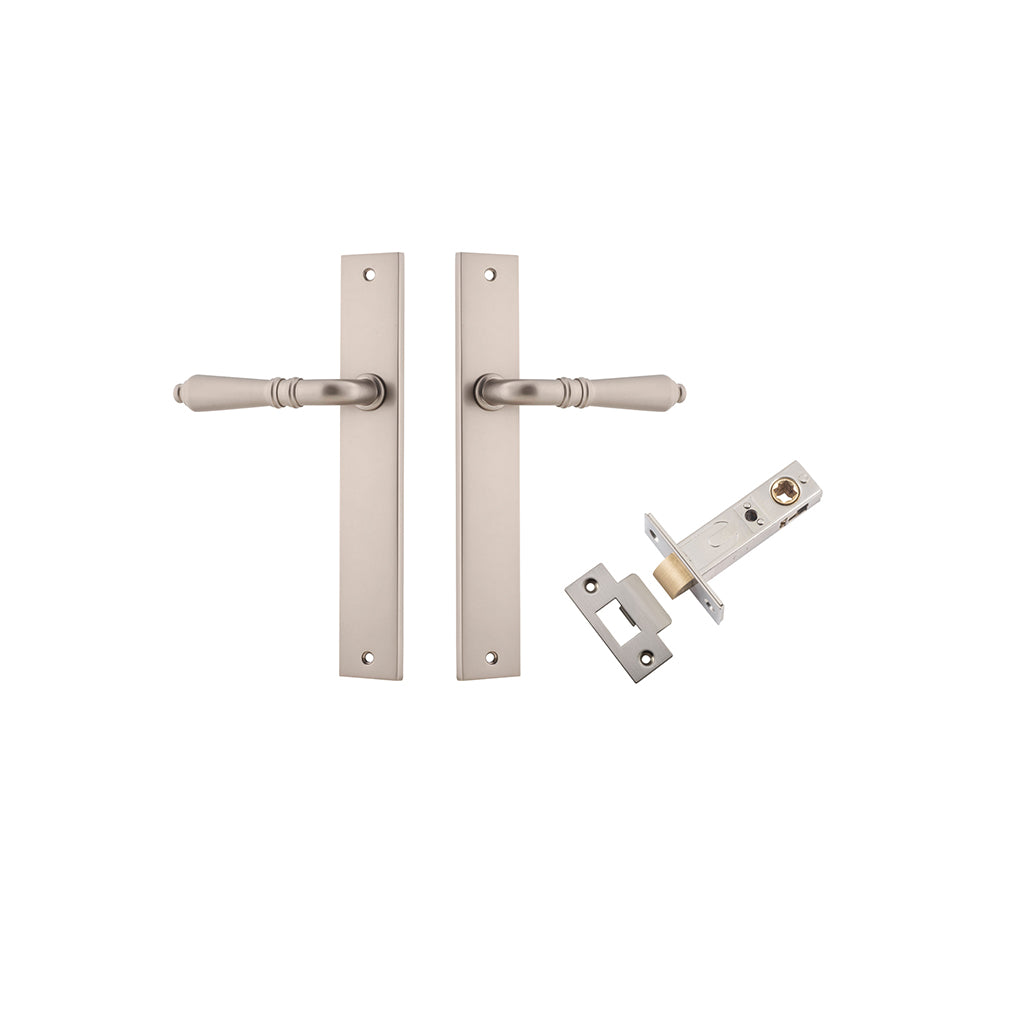
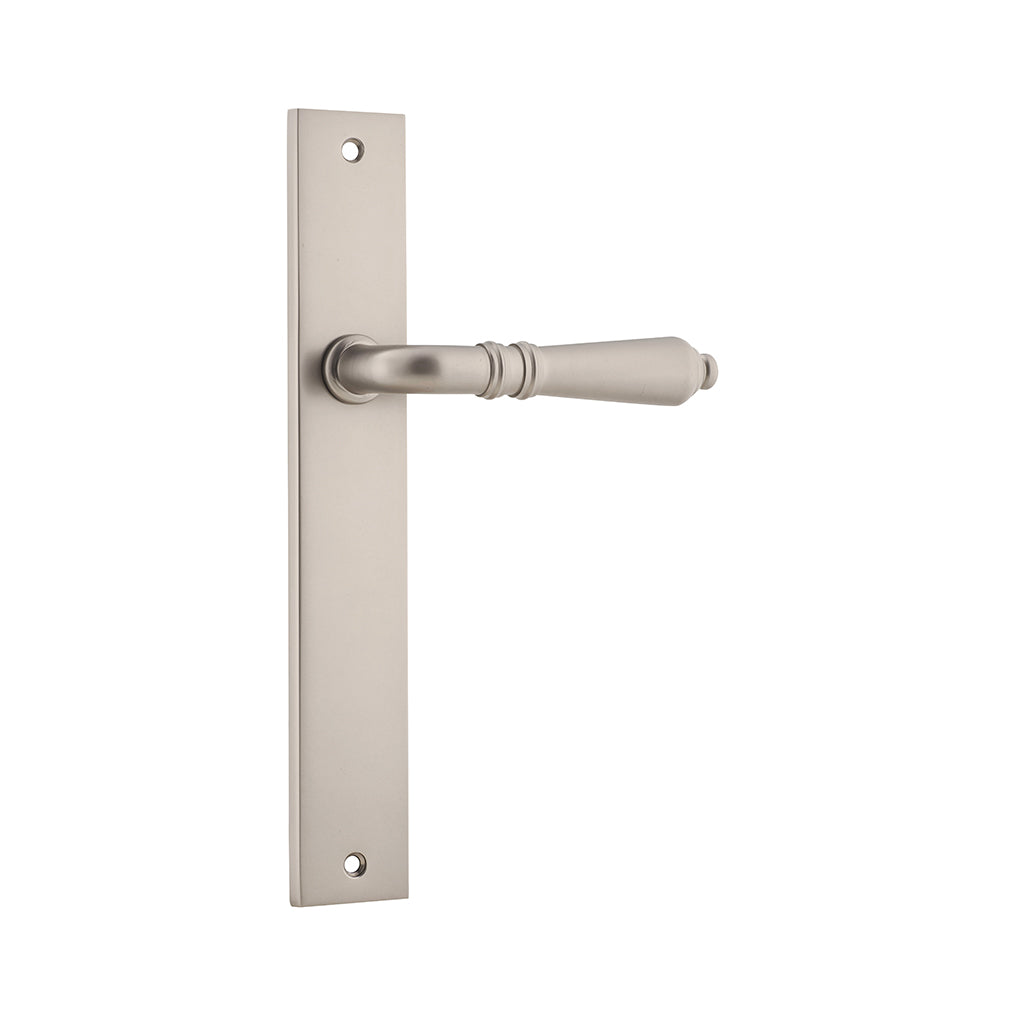
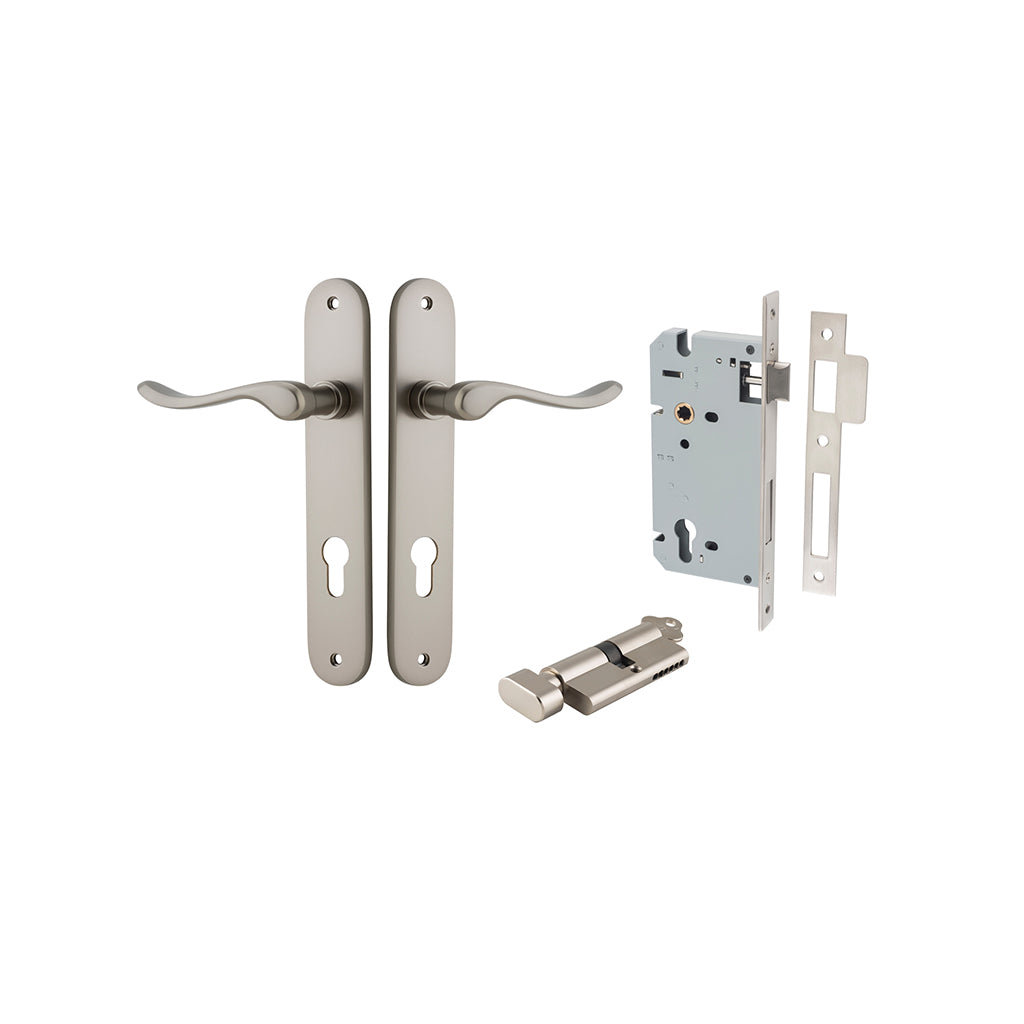
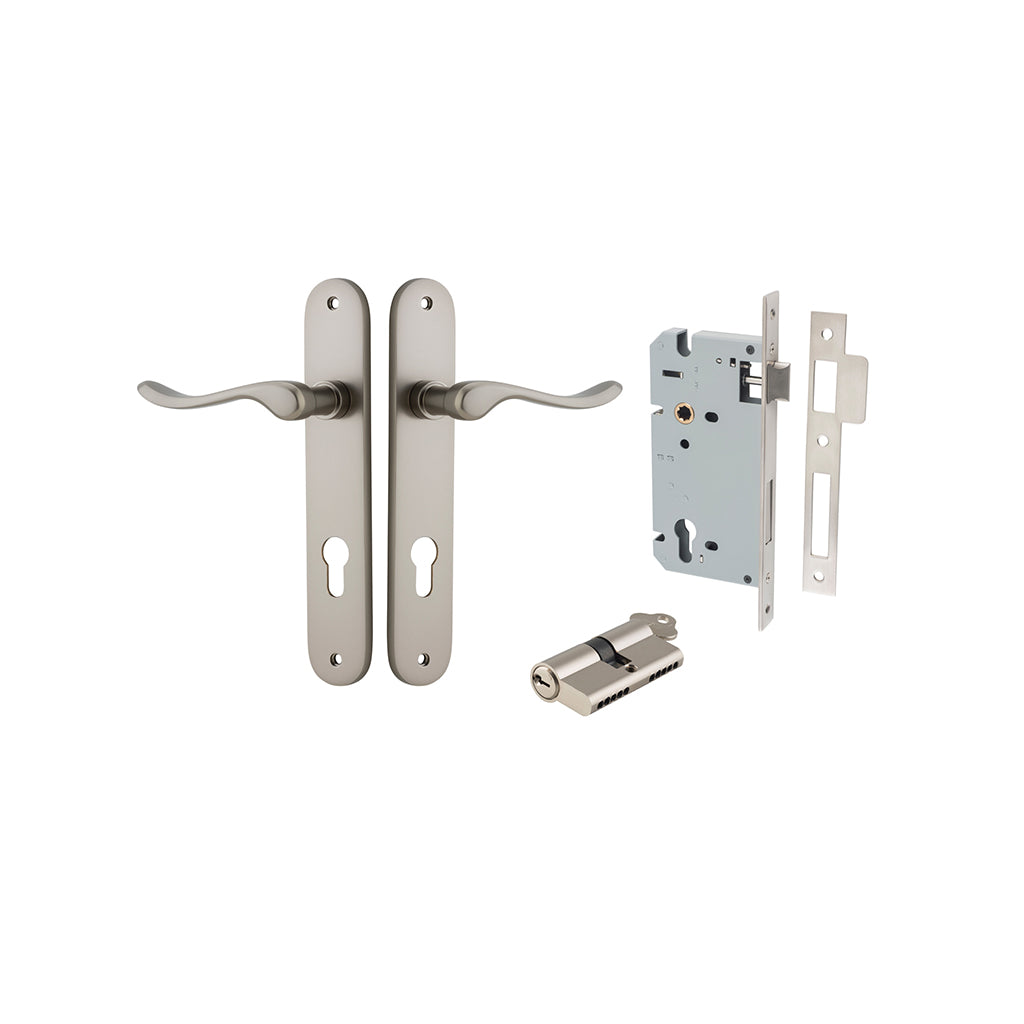
Brushed Nickel Door Levers
Balanced and understated. Brushed nickel sits comfortably between warm and cool, making it one of the most versatile finishes across a home.
Its softer tone integrates easily with a wide range of materials, from marble and tile to timber and painted surfaces.
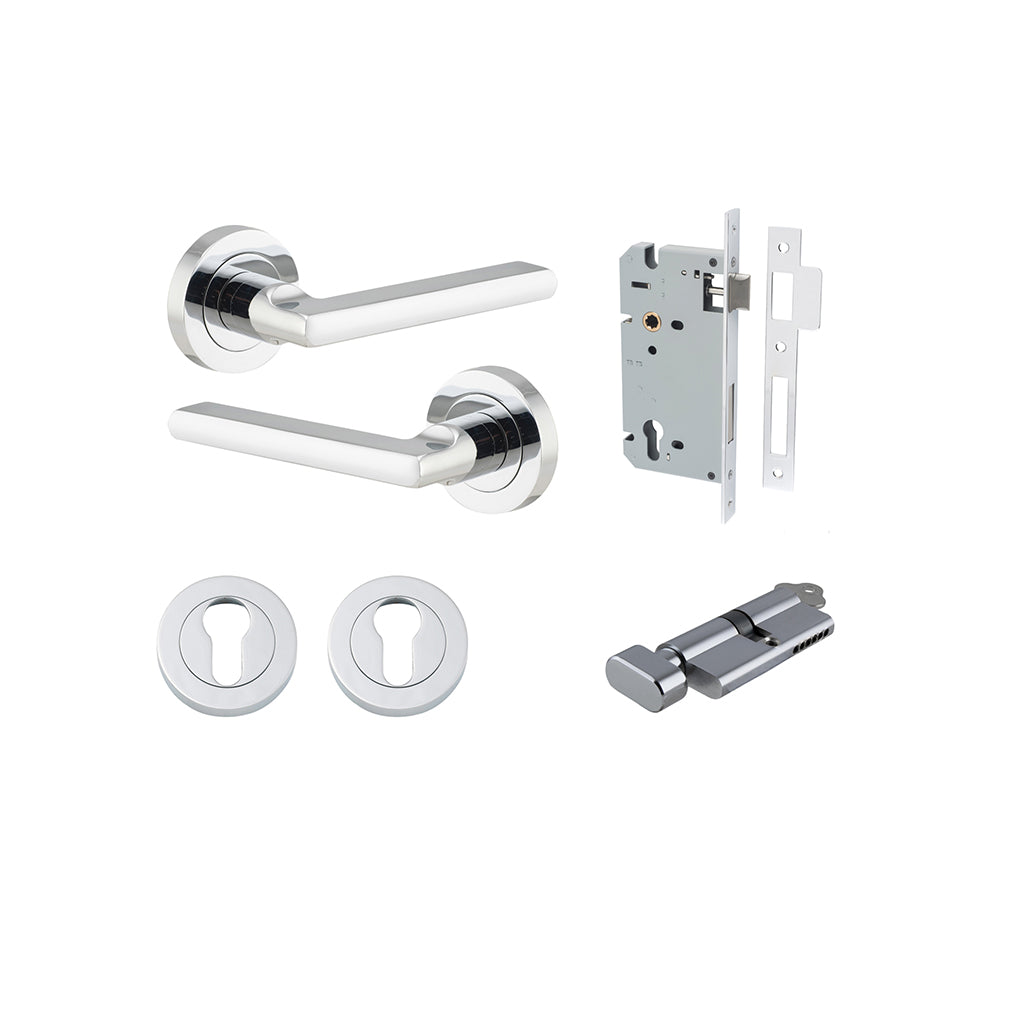
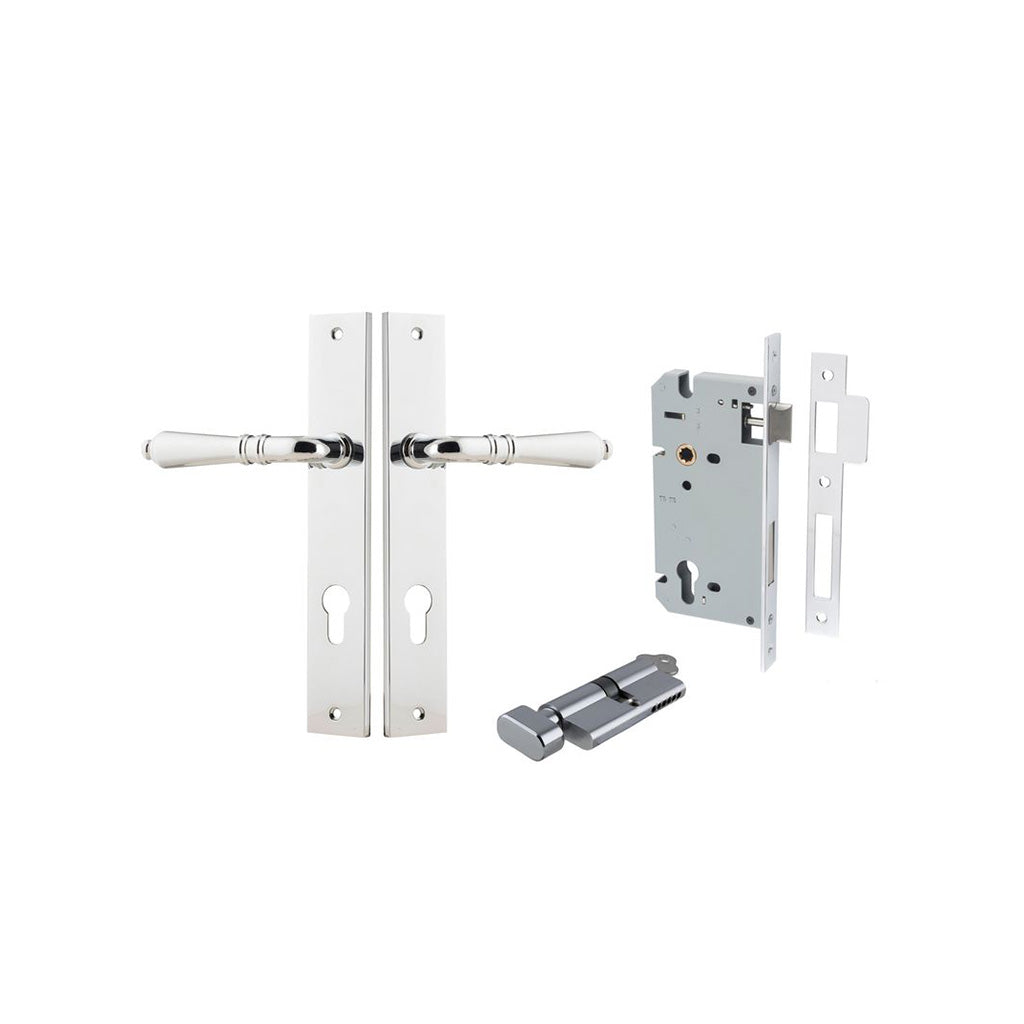
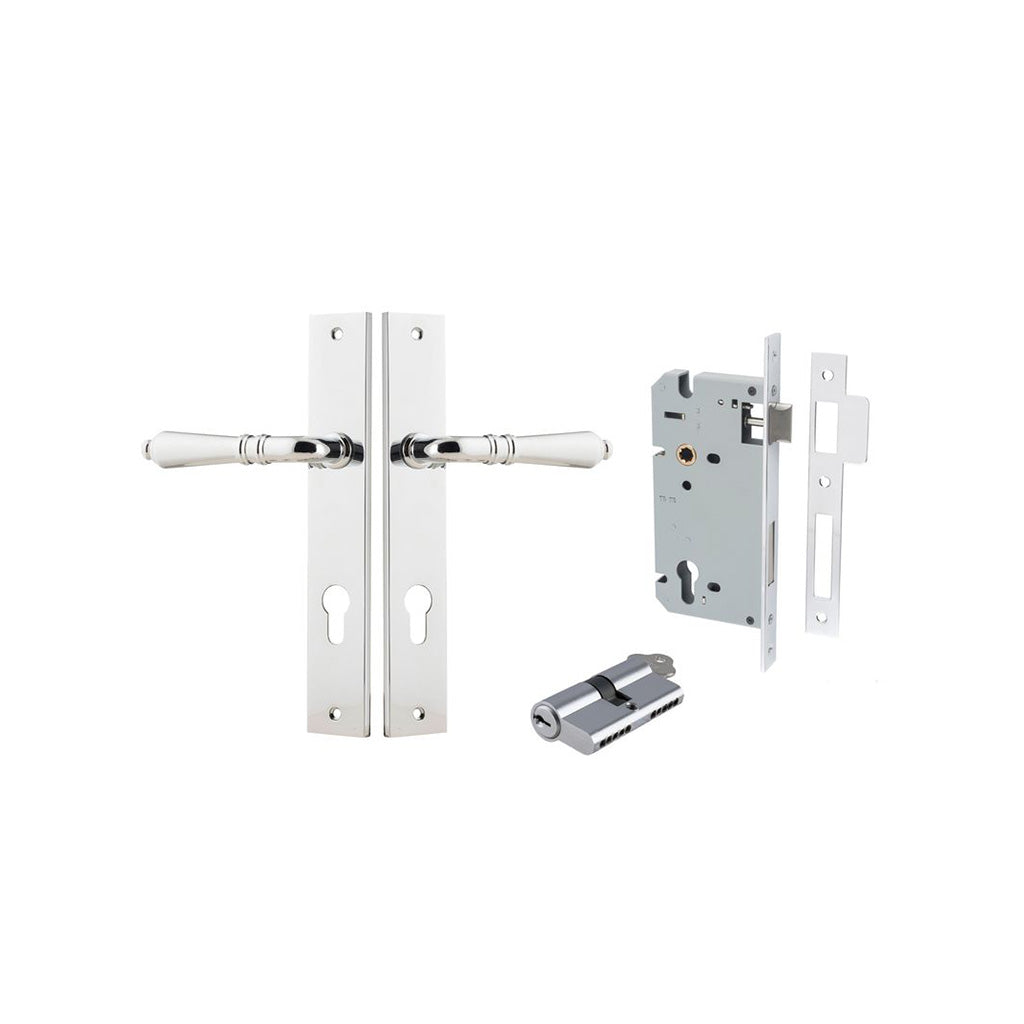
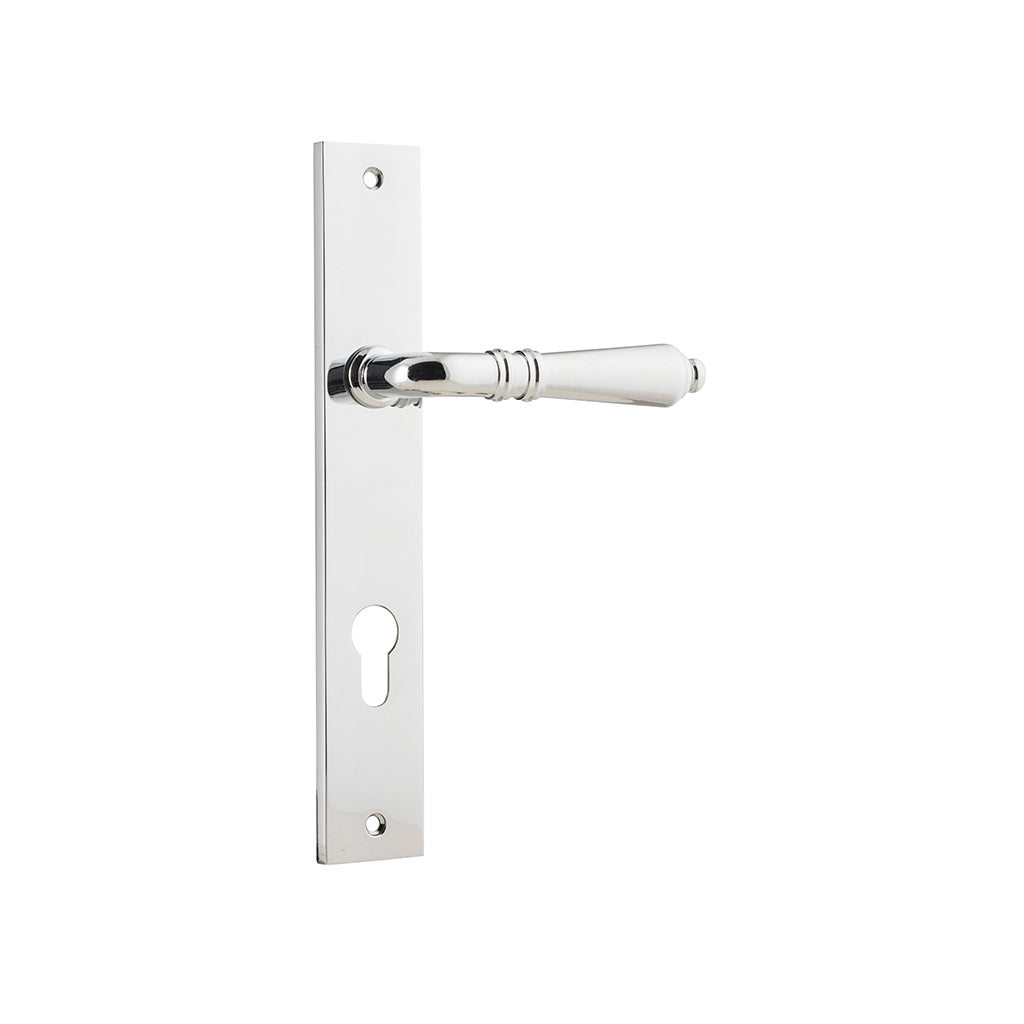
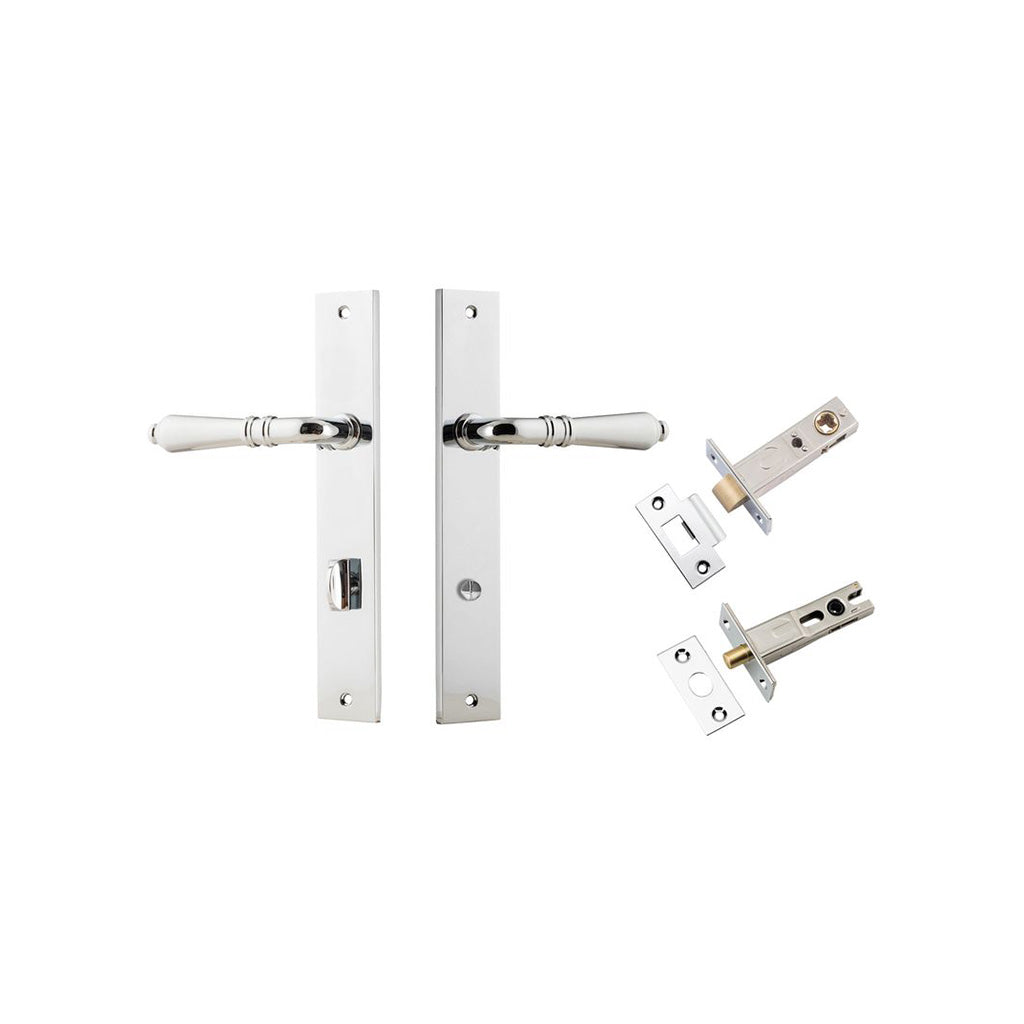
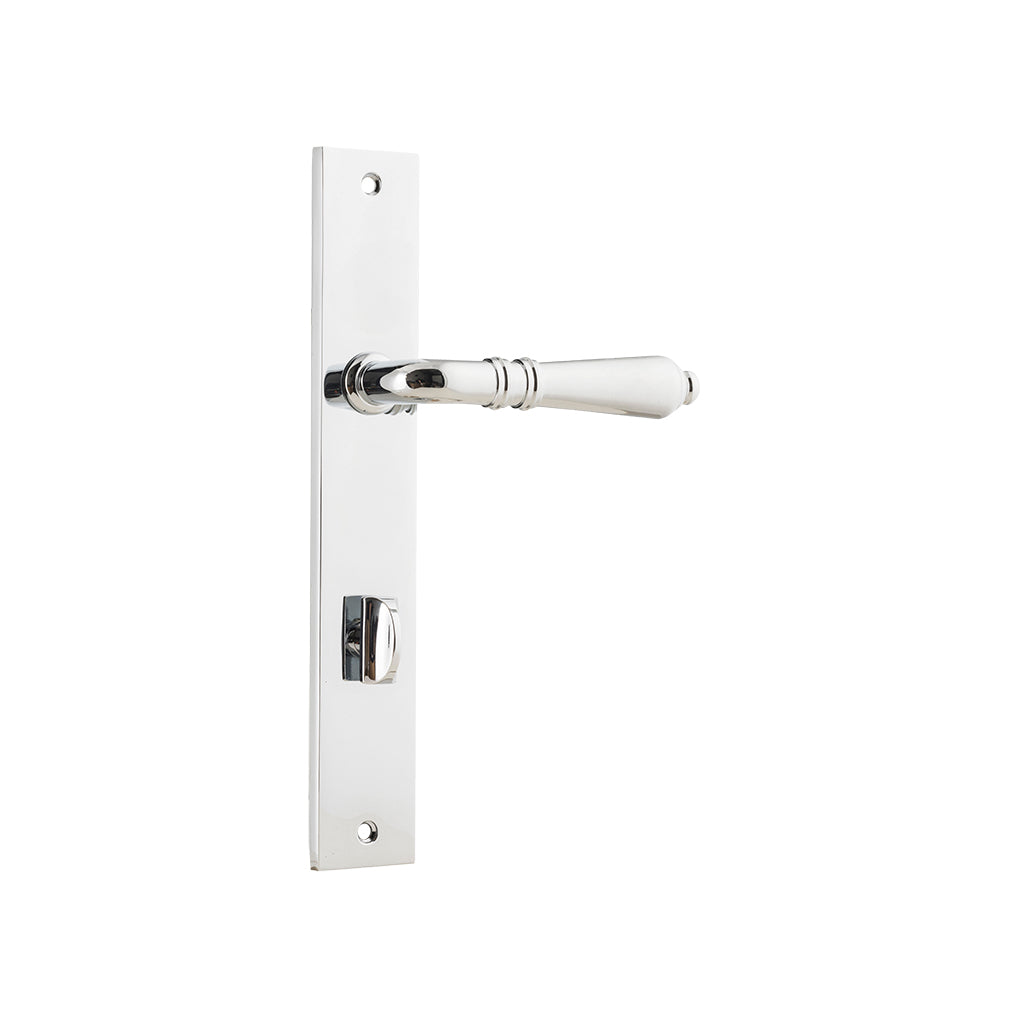
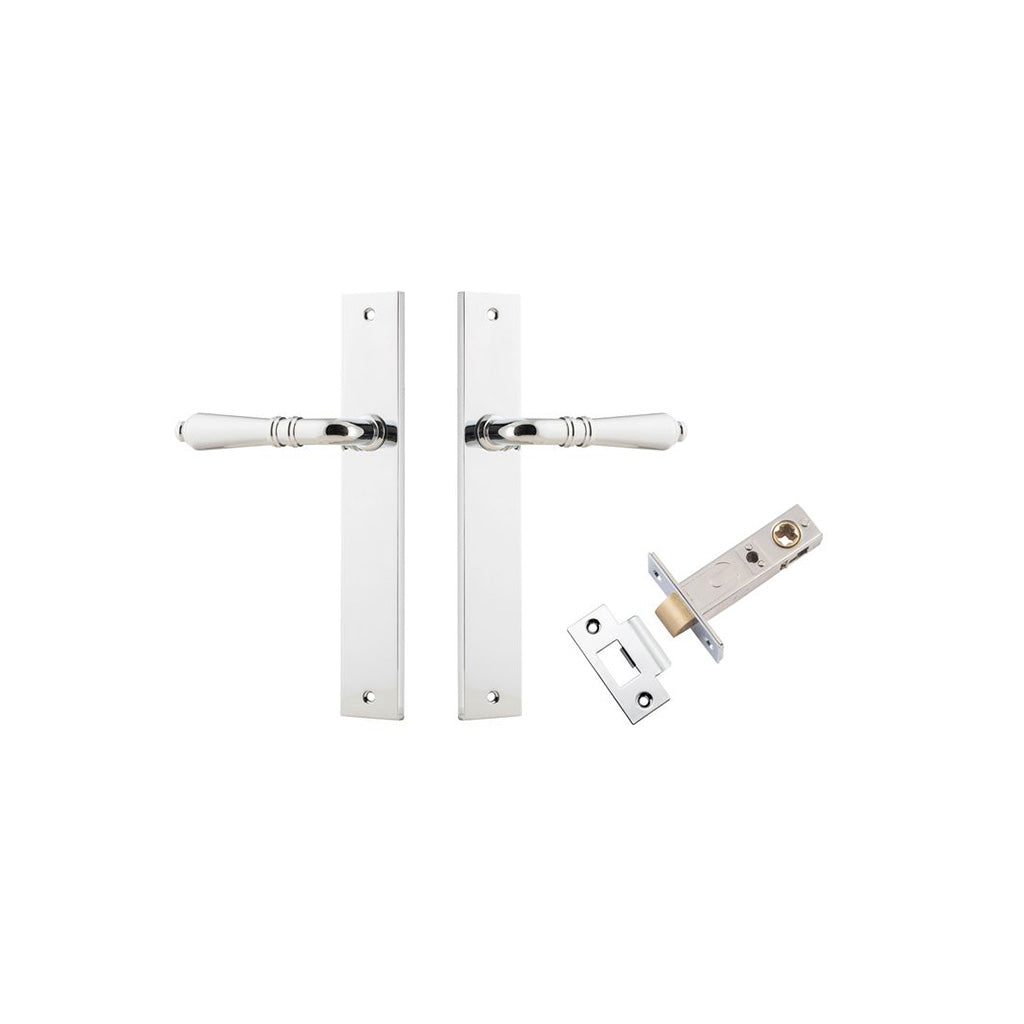
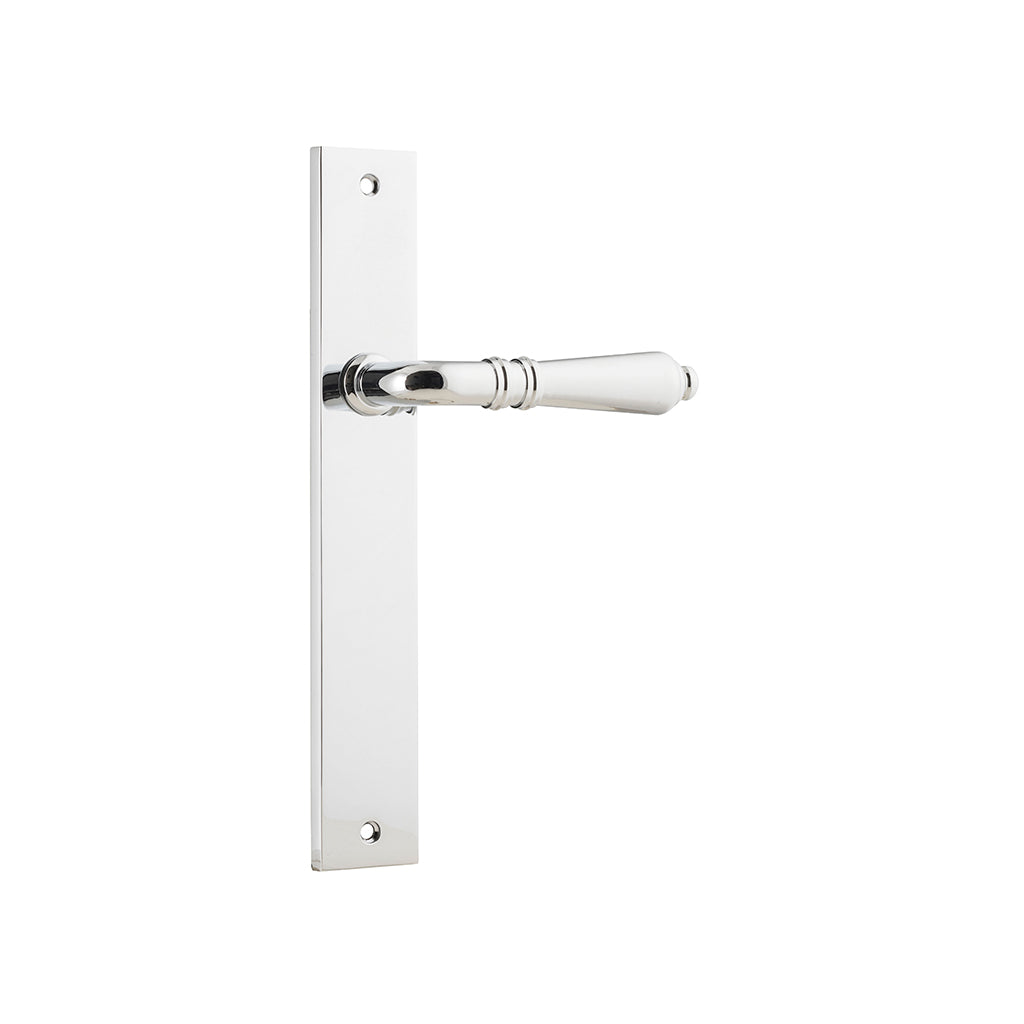
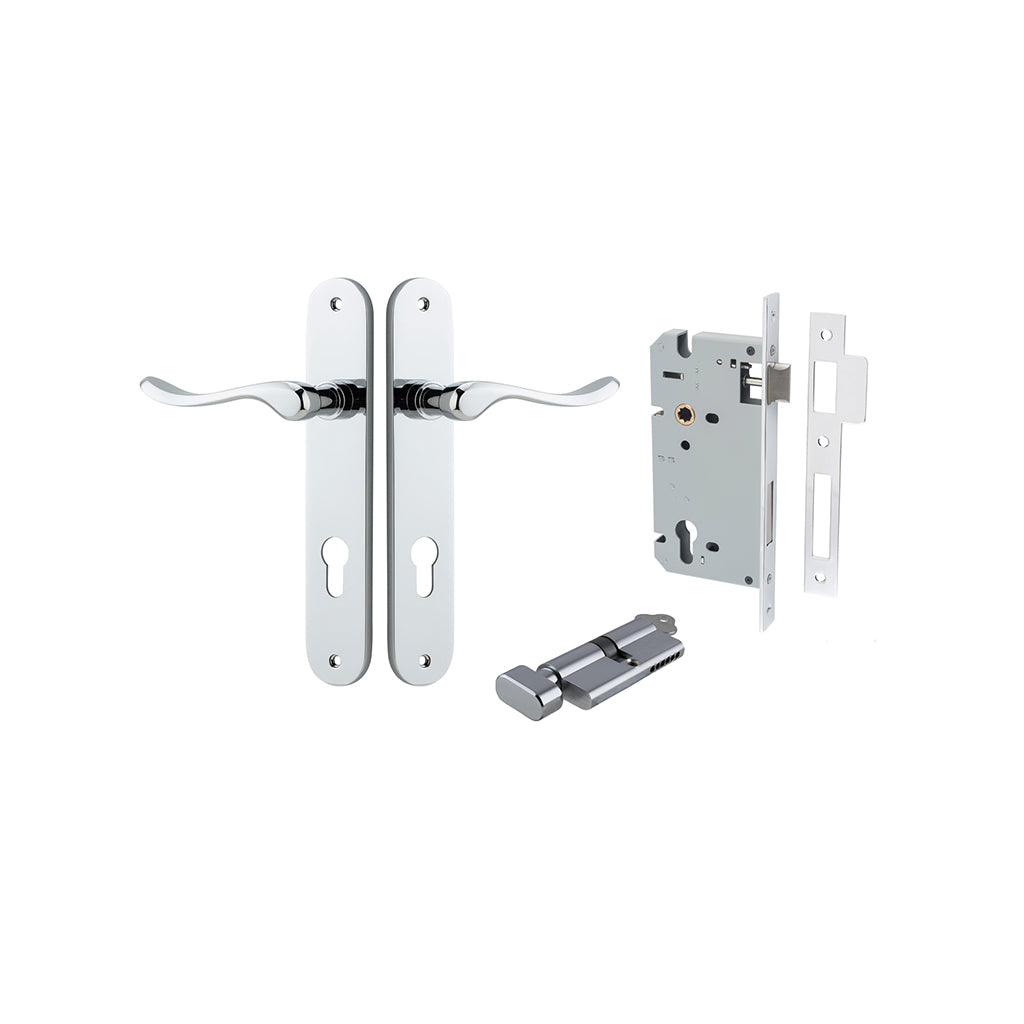
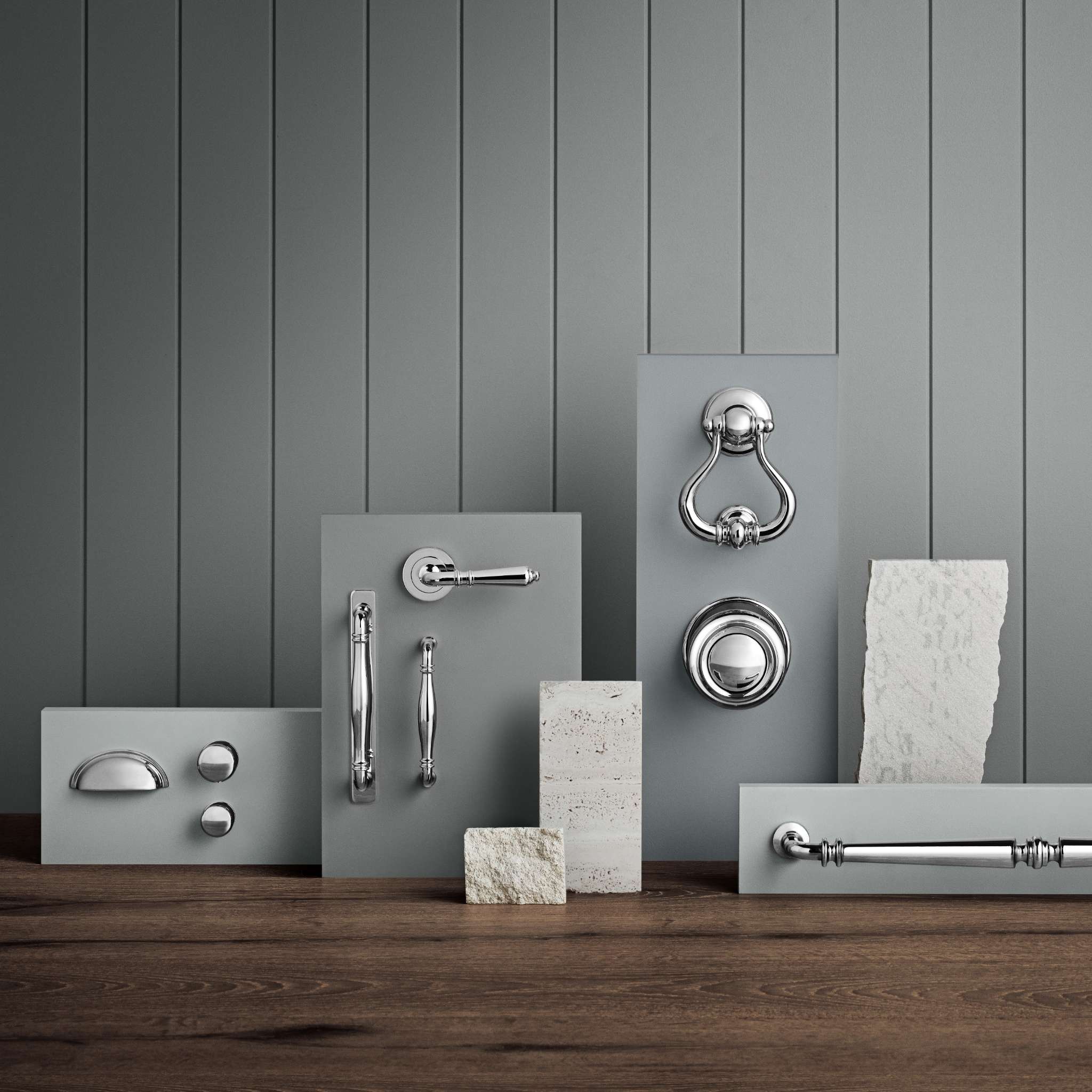
Chrome Door Levers
Clean and reflective. Chrome introduces a sharper, more polished feel, often used to complement contemporary fittings and brighter palettes.
Its reflective surface adds light and definition, particularly in bathrooms and more refined areas.
Choosing Between Finishes
If you’re deciding between finishes, consider how each option works within the broader palette of your space.
Contrast or Cohesion
Whether your hardware stands out or blends in with surrounding elements. A darker finish can introduce definition against lighter surfaces, while softer tones tend to integrate more quietly. The choice shapes how much attention each detail draws within the overall space.
Warm or Cool Tones
How the finish sits alongside flooring, joinery, and fixtures. Warmer finishes pair naturally with timber and earthy palettes, while cooler tones work well with stone, tile, and crisp, neutral schemes. Keeping undertones aligned helps the space feel more cohesive and balanced.
Consistency Across Fittings
Aligning hardware, tapware, and lighting creates a more resolved result. Repeating a finish across multiple touchpoints brings a sense of continuity without feeling overly matched. Even subtle consistency can help a space feel considered and complete.
Explore by Finish
Browse our curated collections to find a finish that aligns with your project.
A Finish That Feels Right
Small details shape how a space comes together. When the finish, form, and function align, it creates a sense of clarity that carries through the entire home. Small details make the strongest impression — especially when they’re chosen well.
On the Journal
Door Hardware Finishes: A Complete Guide to Choosing the Right Look