
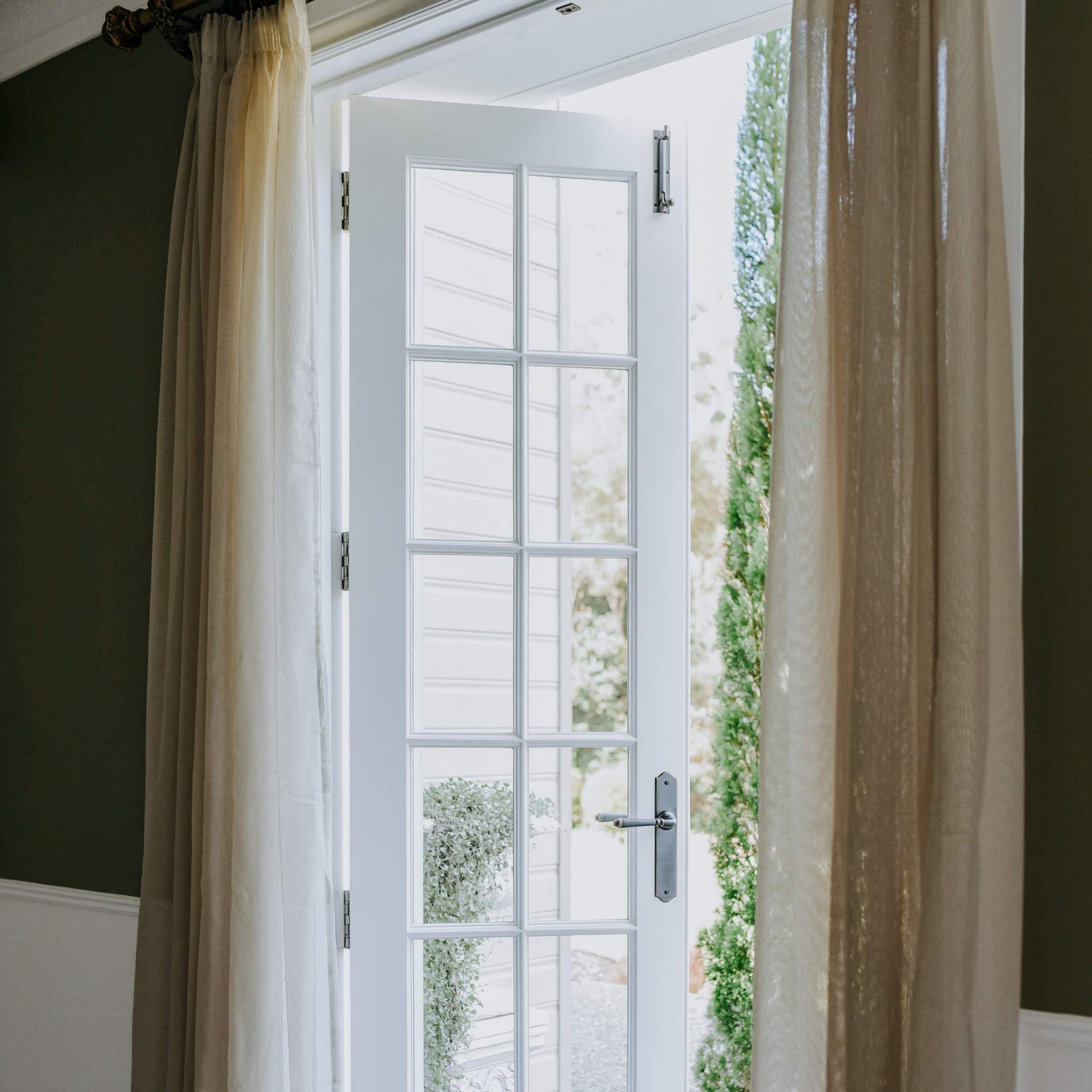
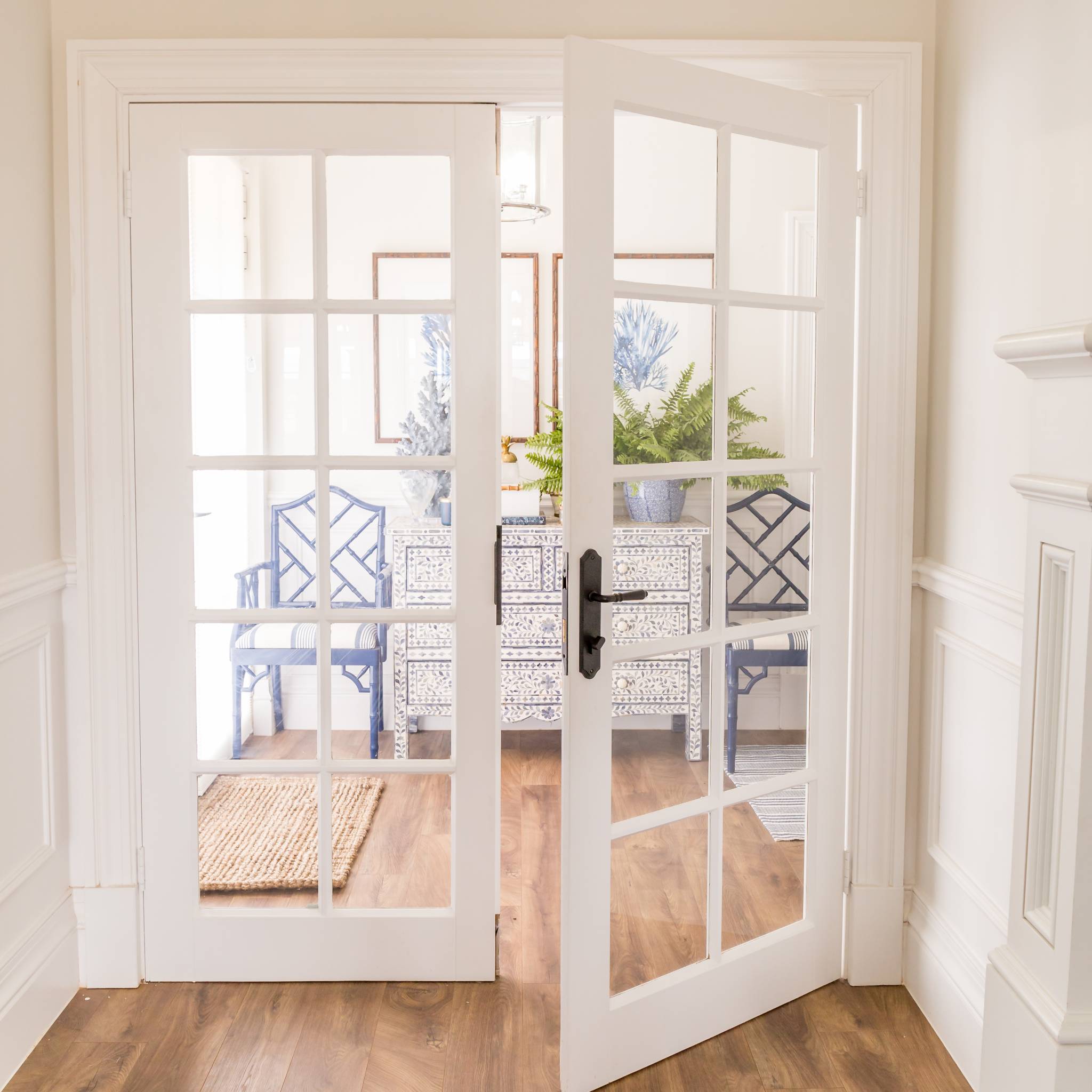
Nickel Door Levers
Nickel door levers offer a softer, more muted alternative to high-shine finishes, with a tone that settles into surrounding materials rather than standing apart. Often seen in brushed and textured variations, nickel introduces subtle definition while maintaining a balanced, understated presence. At Assembly Doorware, our collection focuses on consistent finishes and well-defined lever designs, making it easier to carry a considered detail throughout the home.
A Softer Metallic Tone
Nickel door levers are defined by their muted, silvery finish, offering a more subdued alternative to brighter metals. Their softened tone allows them to sit comfortably alongside materials such as timber, marble, and stone, introducing detail without disrupting the overall palette.
Designed for Everyday Use
Nickel door levers are well suited to high-use areas, particularly in finishes such as brushed or satin nickel that help minimise visible wear. Their lightly textured surface reduces fingerprints and markings, maintaining a consistent appearance with minimal upkeep.
A Quiet, Unifying Detail
Nickel door hardware is often selected for its ability to bring consistency without becoming a focal point. Repeating nickel door levers across entry, passage, and privacy doors — alongside tapware, cabinetry hardware, and lighting — helps establish a more cohesive, layered result.
Filters
854 products
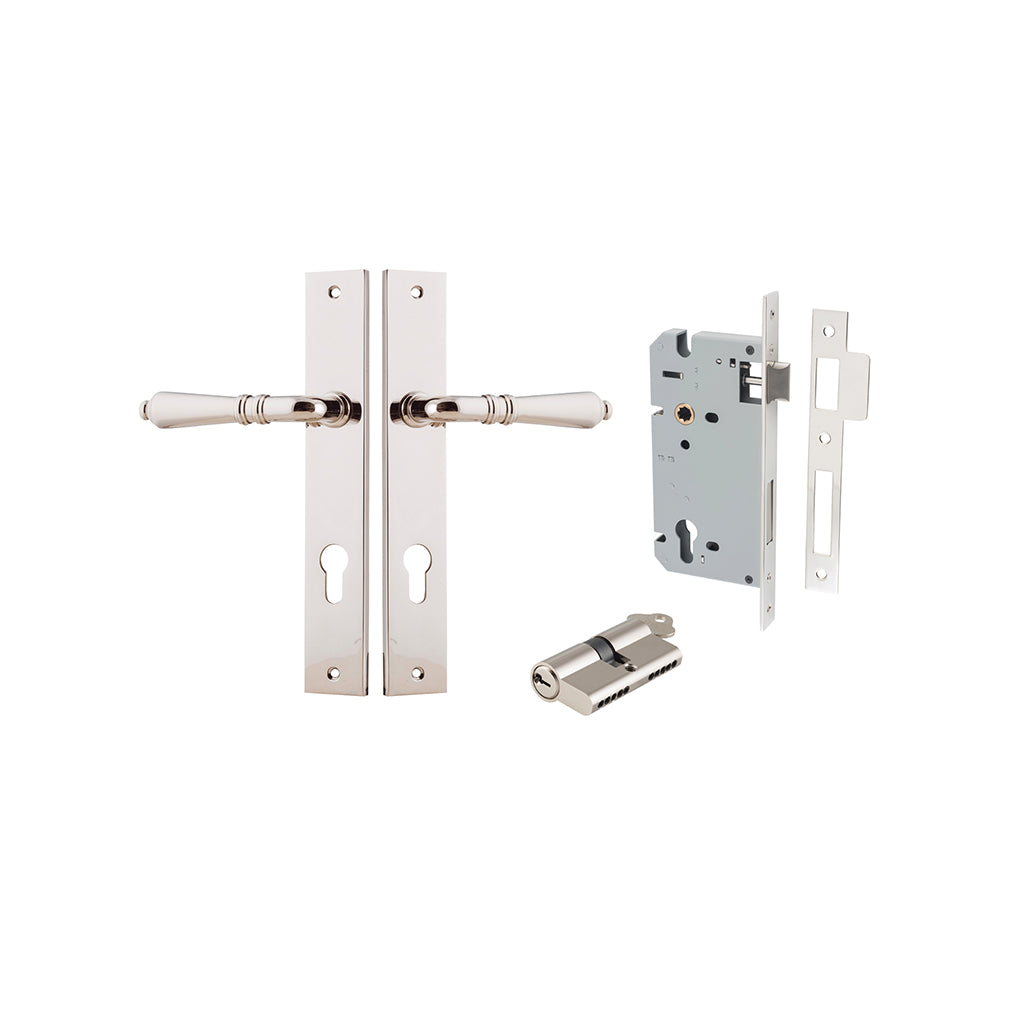
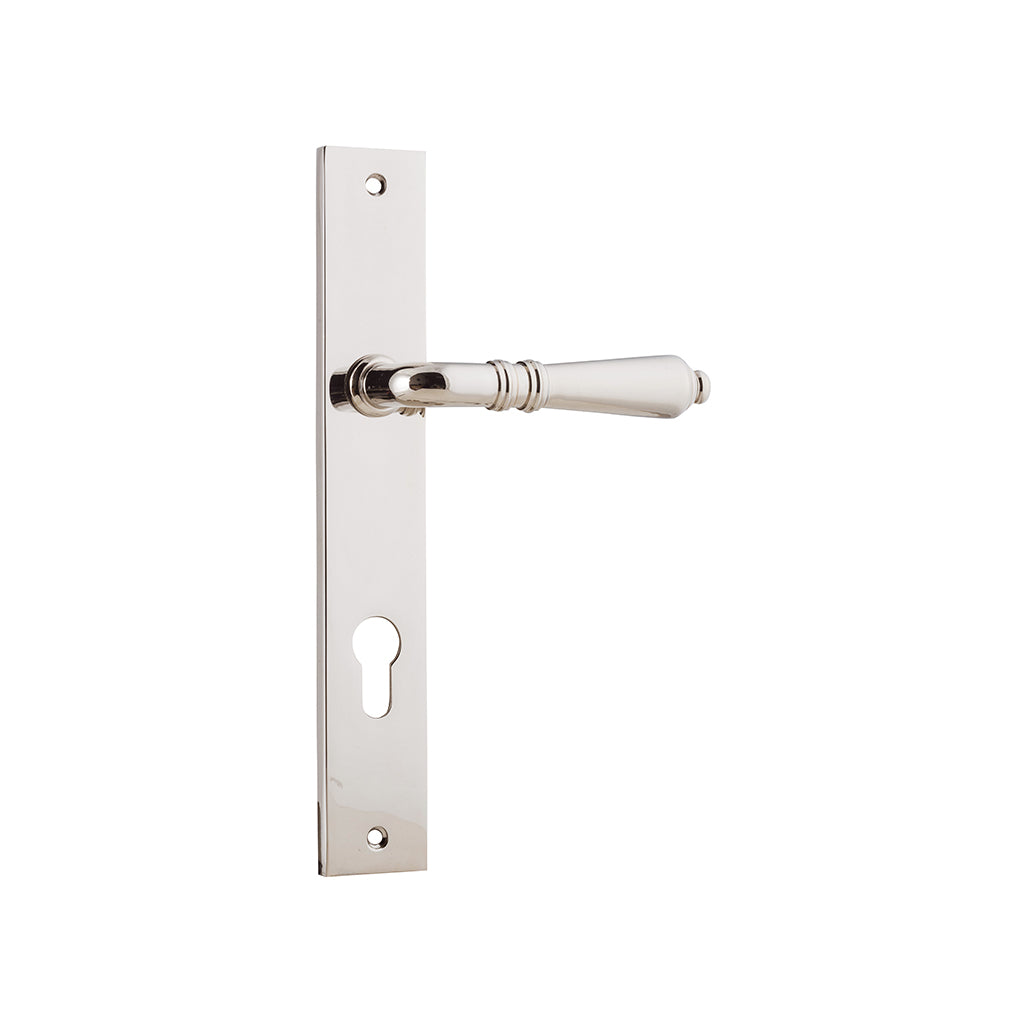
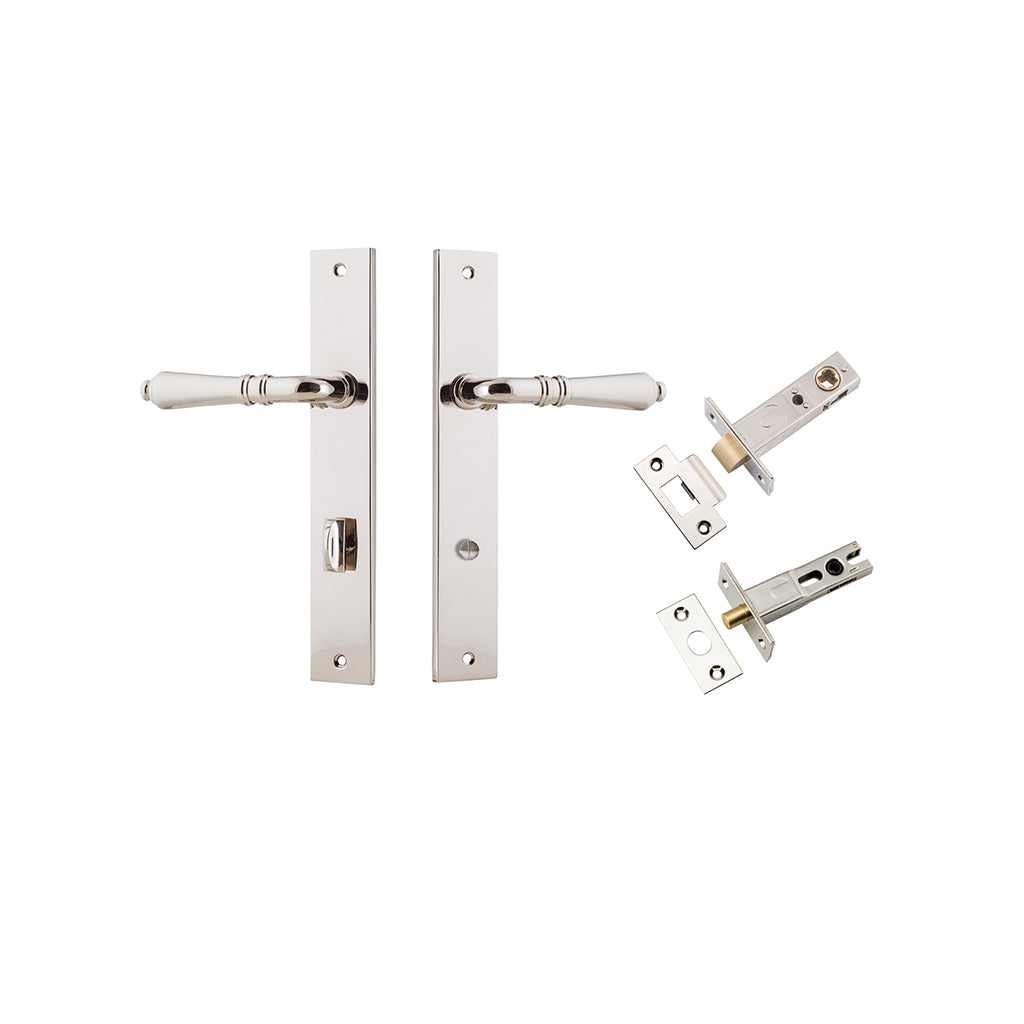
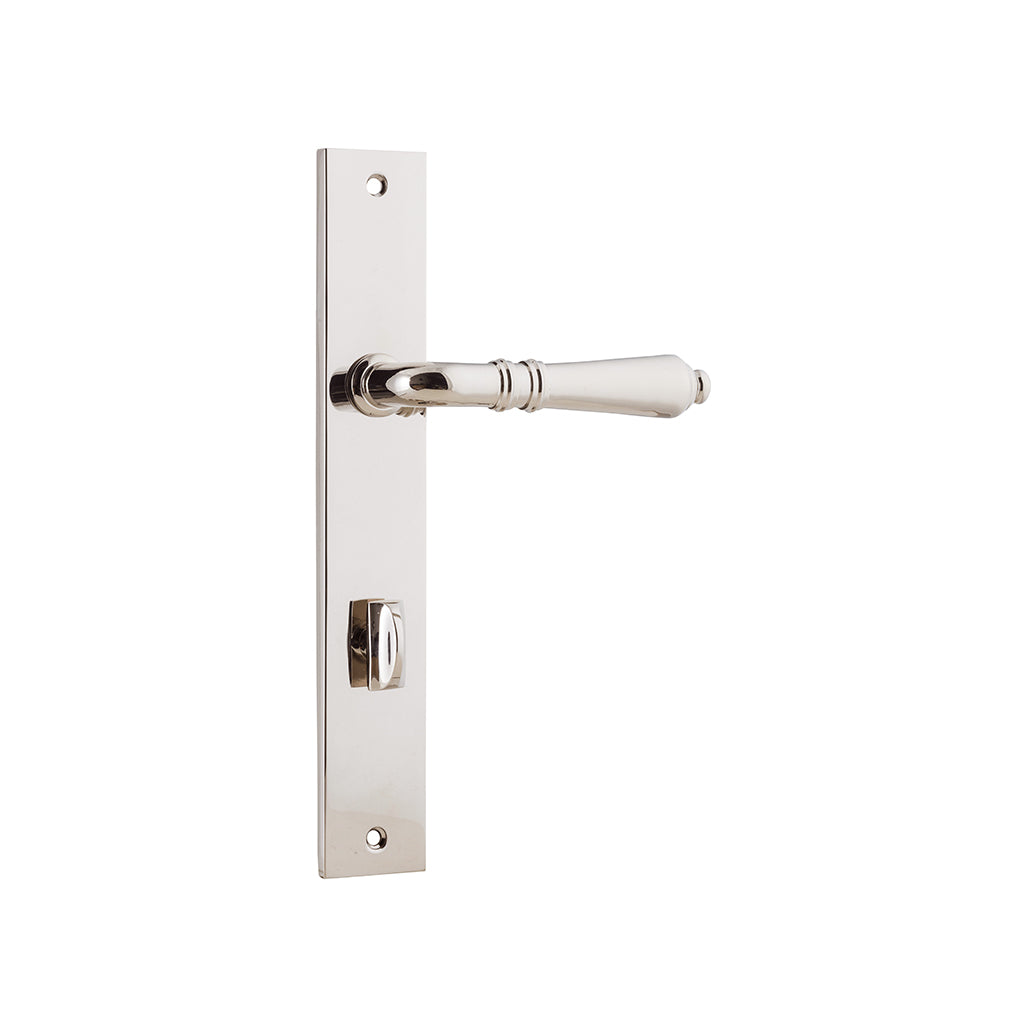
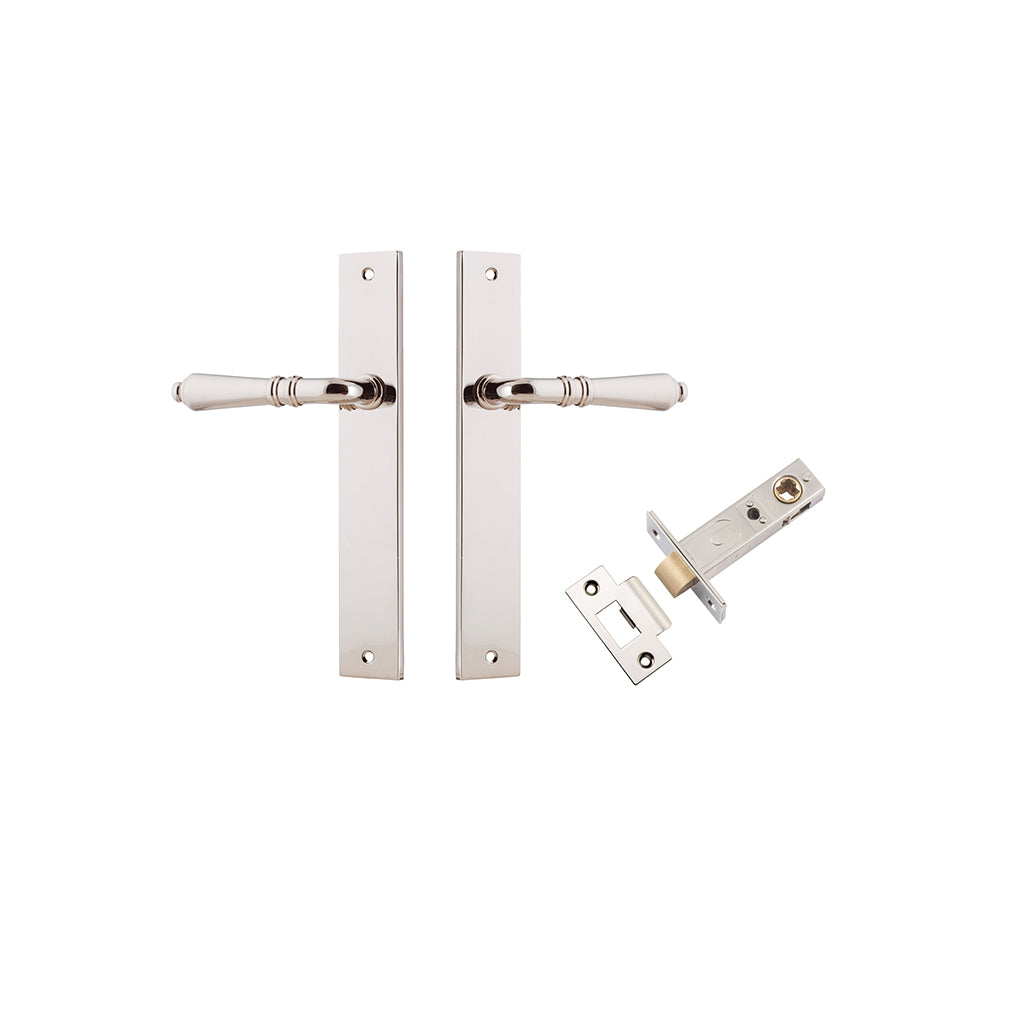
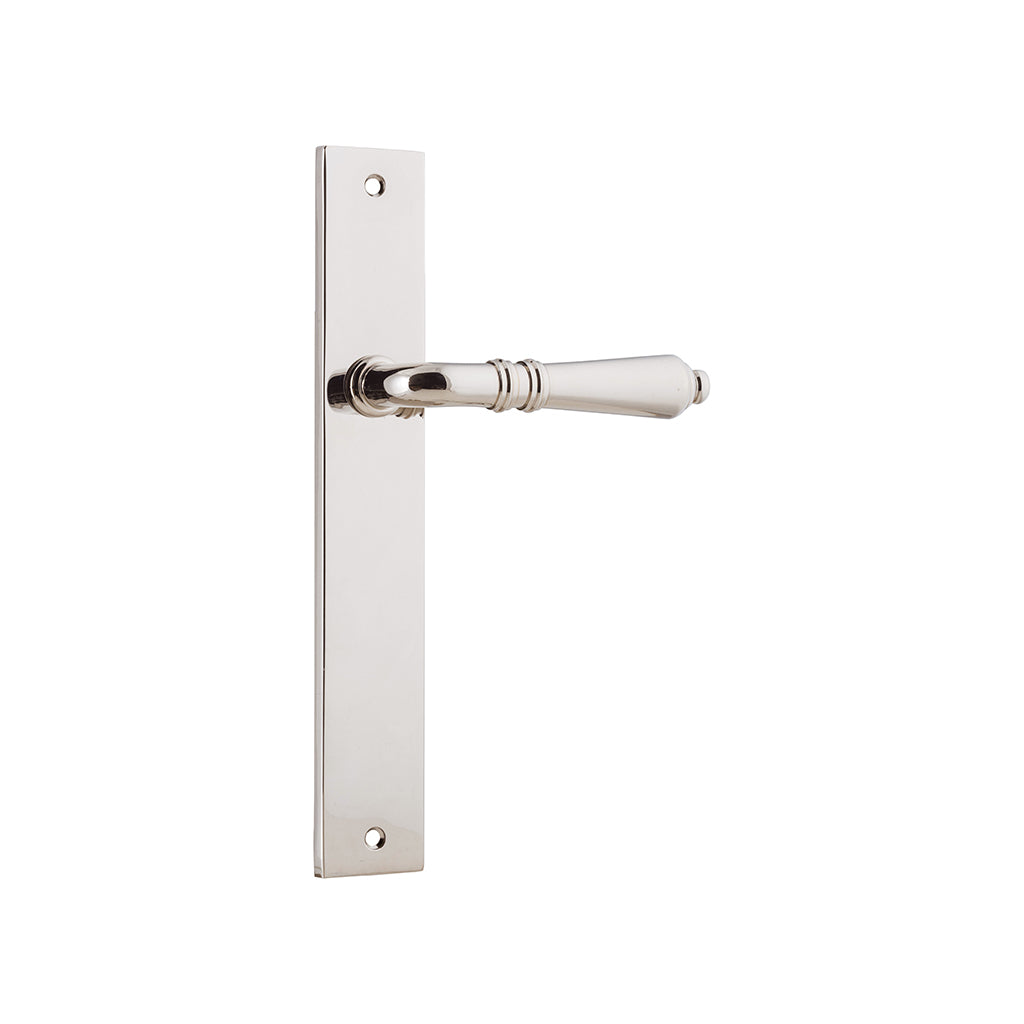
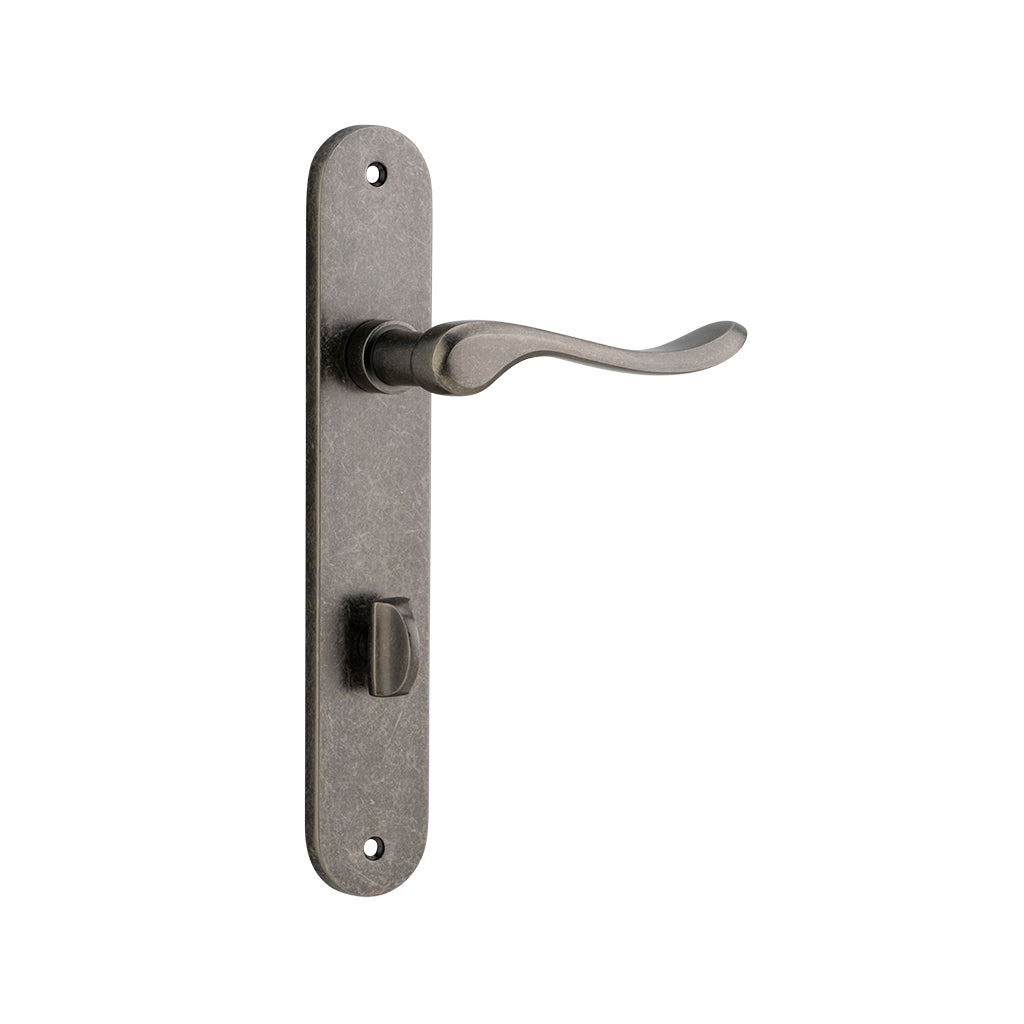
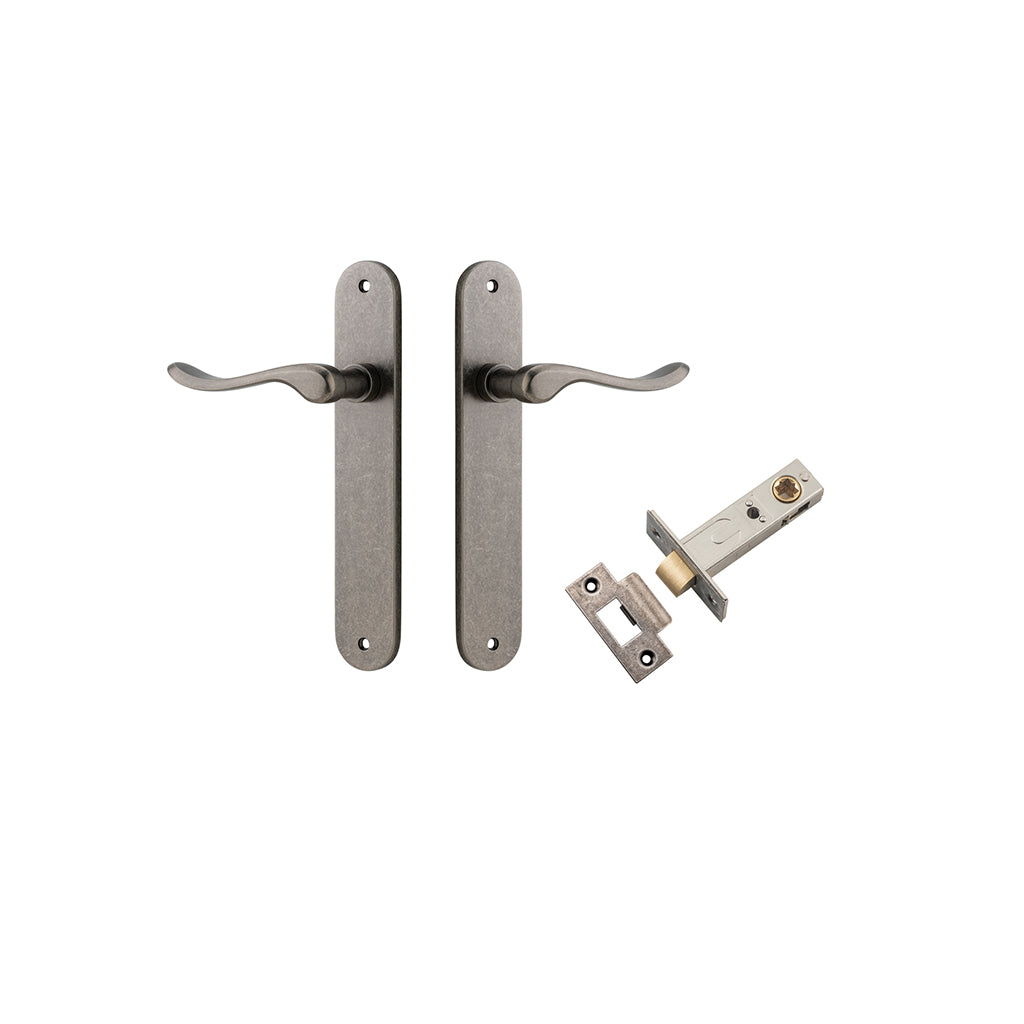

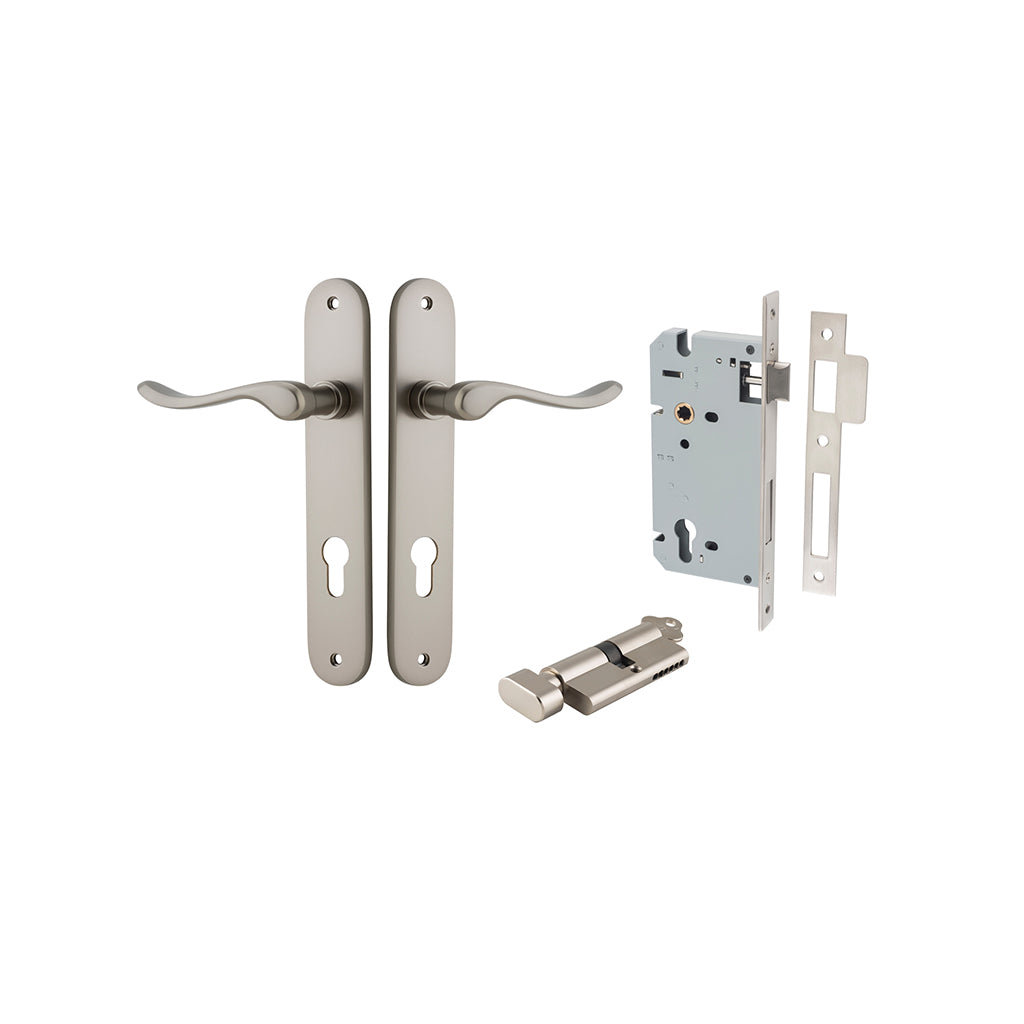
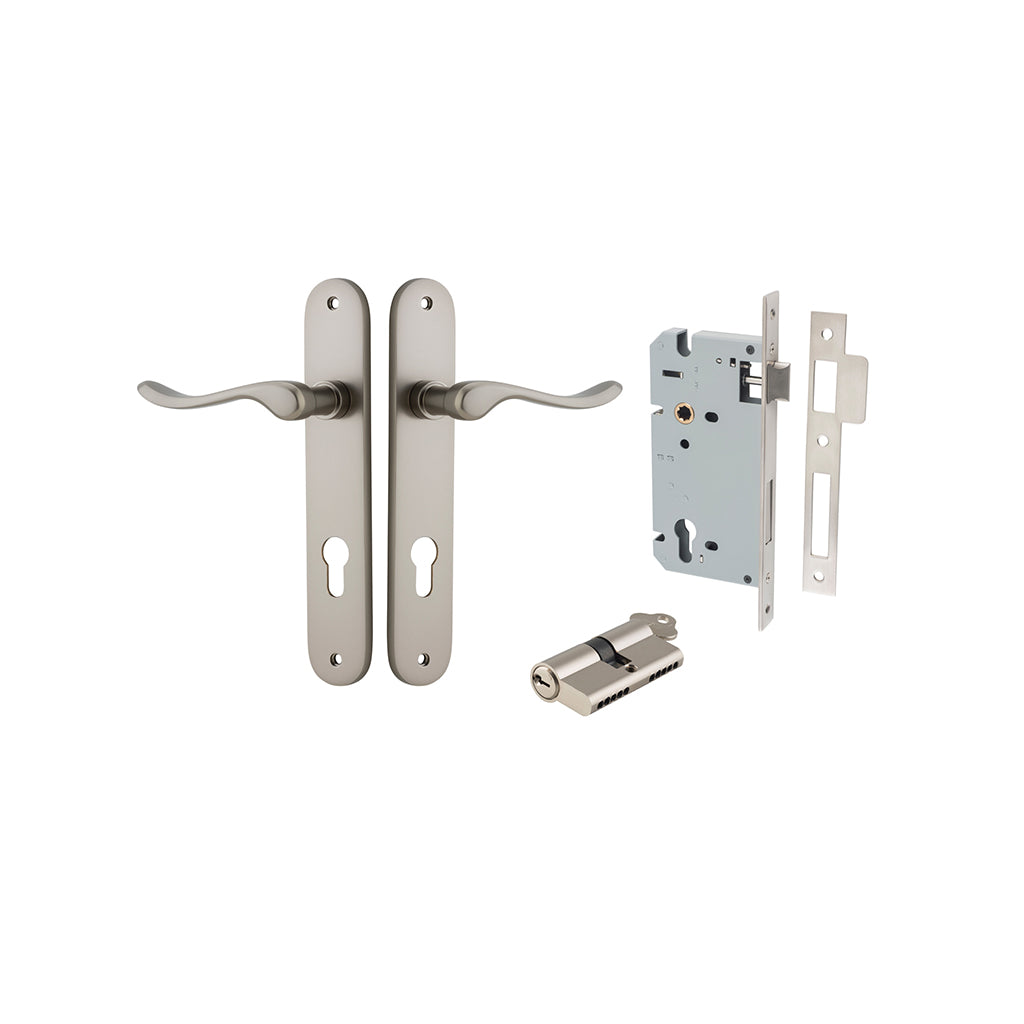
Understanding Nickel Door Hardware Finishes
Nickel finishes can vary in both texture and reflectivity, with naming often differing between suppliers. Brushed nickel — also commonly referred to as satin nickel — describes a soft, low-sheen finish with a lightly textured surface.
In our collection, this finish is presented as satin nickel door levers, offering a more muted alternative to high-shine options. Compared to polished nickel, which has a brighter, more reflective quality, satin nickel diffuses light to create a softer, more settled appearance.
This makes it a considered choice for interiors where materials are layered and tonal variation is subtle, allowing the hardware to sit within the palette rather than stand apart.
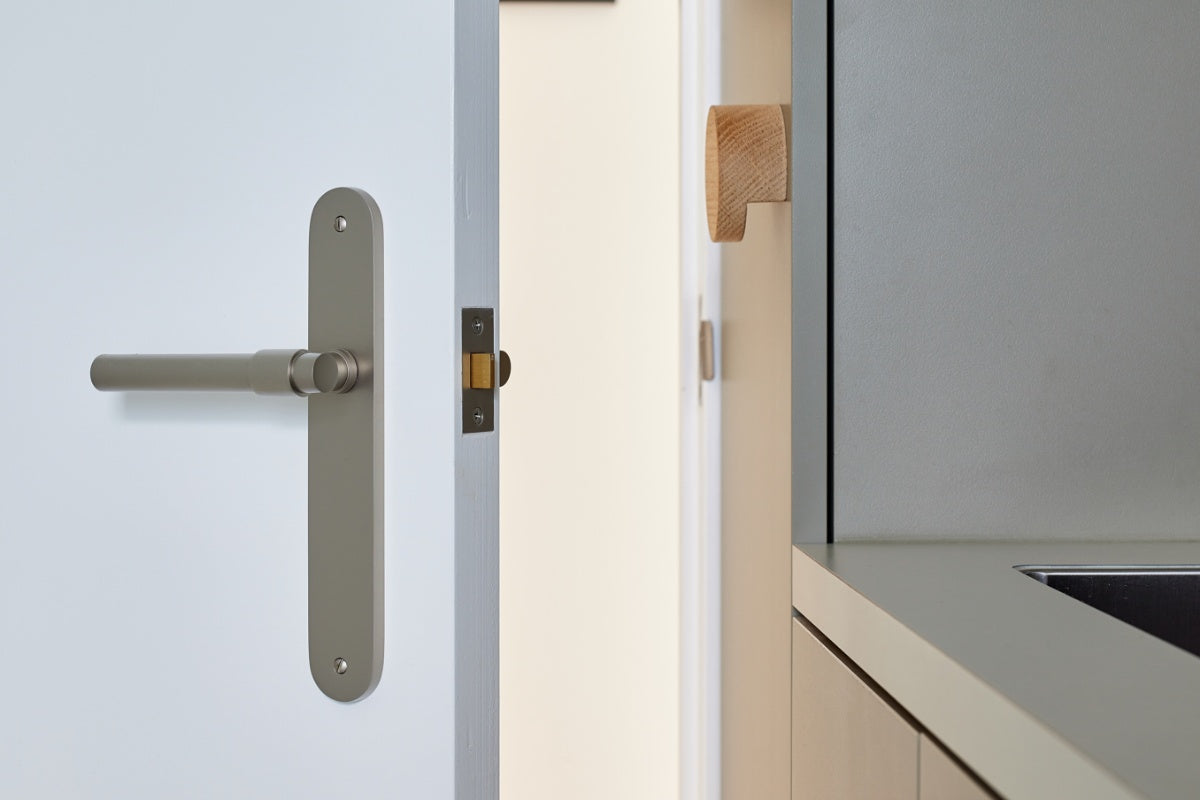
Nickel Door Levers in Layered Interiors
In more pared-back interiors, satin nickel door levers sit comfortably alongside materials such as pale timber, stone, and concrete. Their softened tone introduces contrast without sharpness, allowing the palette to remain calm and connected.
In more detailed settings, nickel brings a lighter touch compared to darker finishes. Even in polished variations, the warmth of the material helps it integrate with traditional joinery and layered textures, rather than standing apart.
Explore Nickel Finish Options
Nickel finishes vary in both texture and reflectivity, with naming often differing between suppliers. Brushed nickel — also commonly referred to as satin nickel — describes a soft, low-sheen surface with a lightly textured feel; in our collection, this is presented as satin nickel door levers, offering a more muted, consistent alternative to higher-shine finishes while maintaining a balanced, silvery tone across different materials.
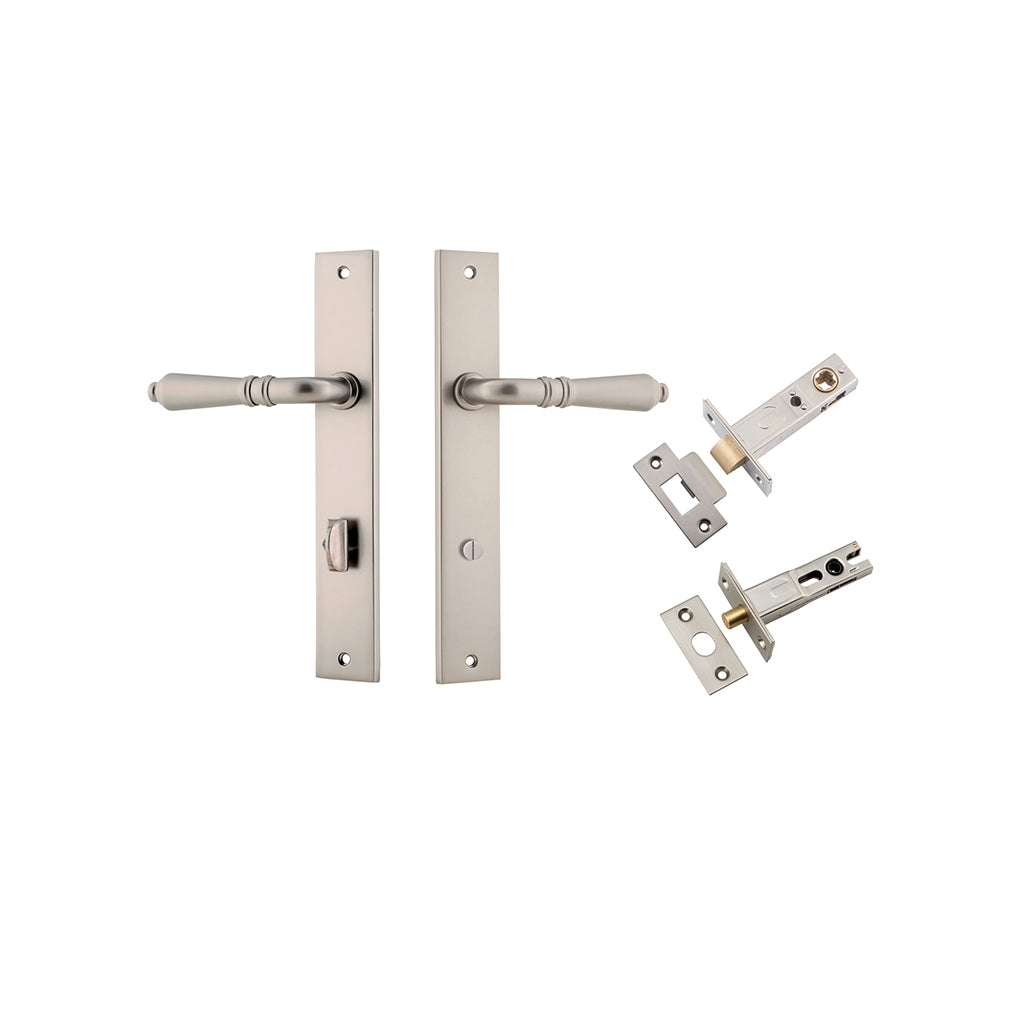
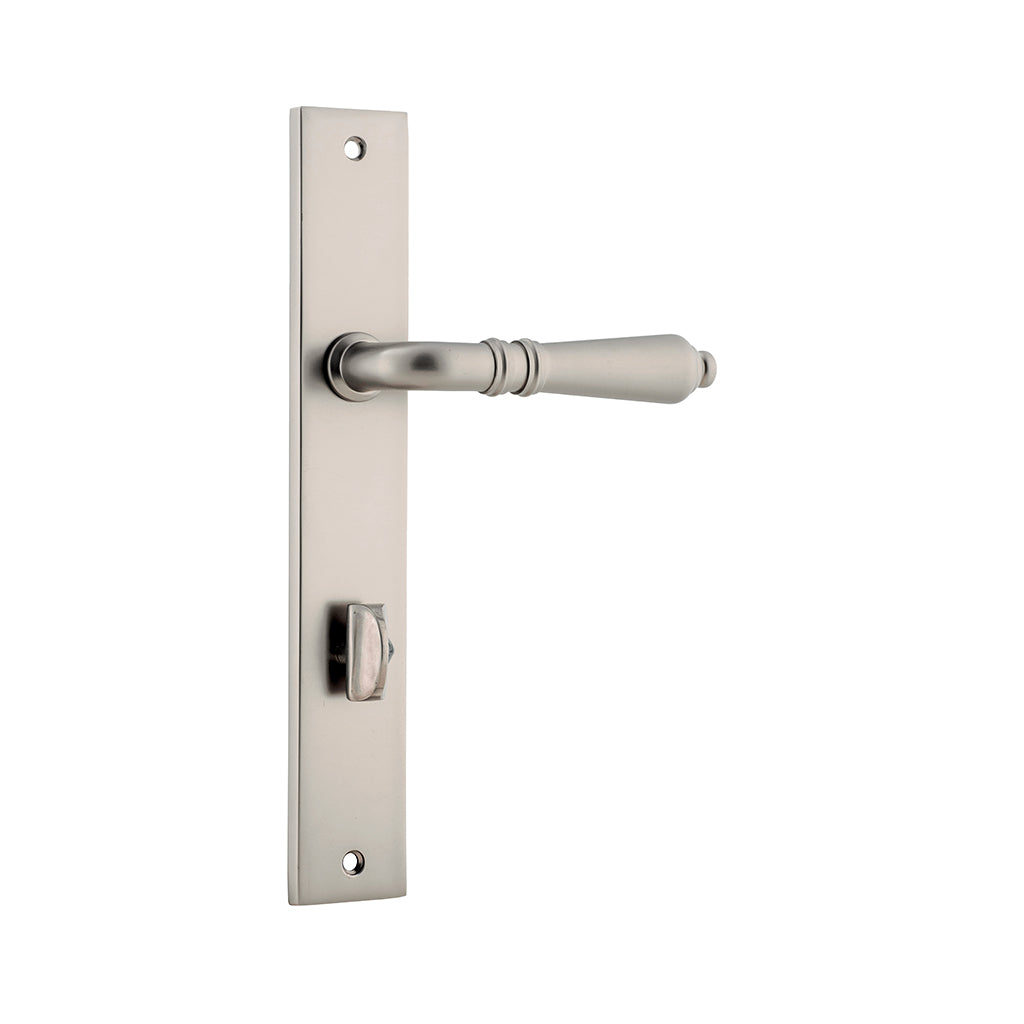
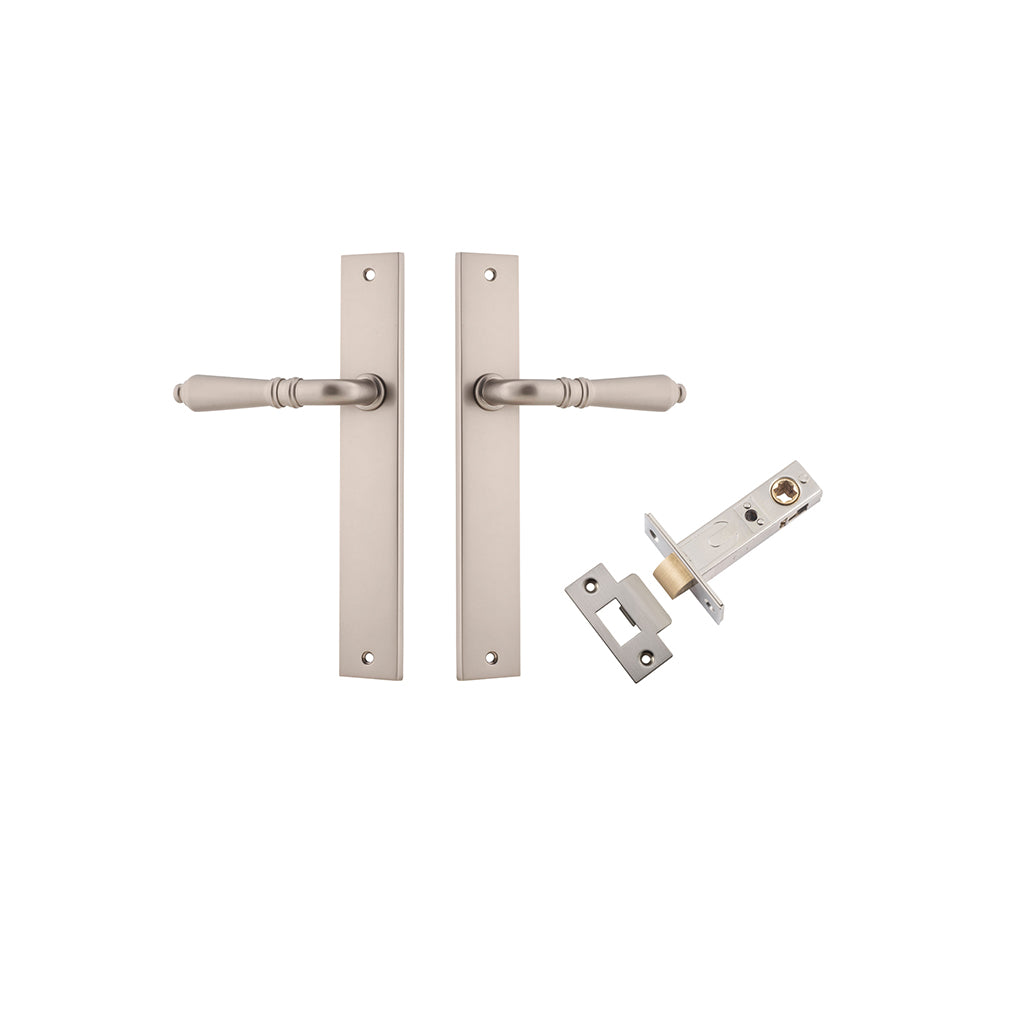
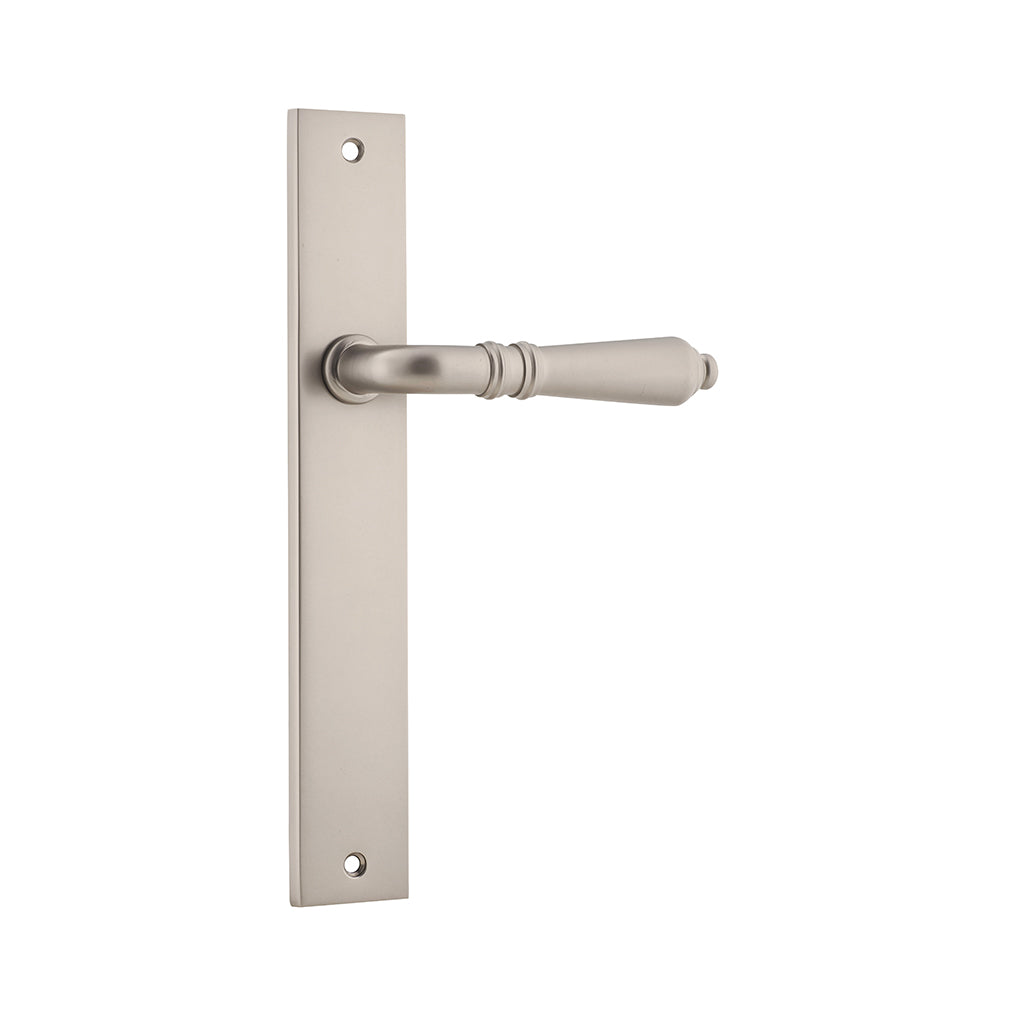
Brushed Nickel
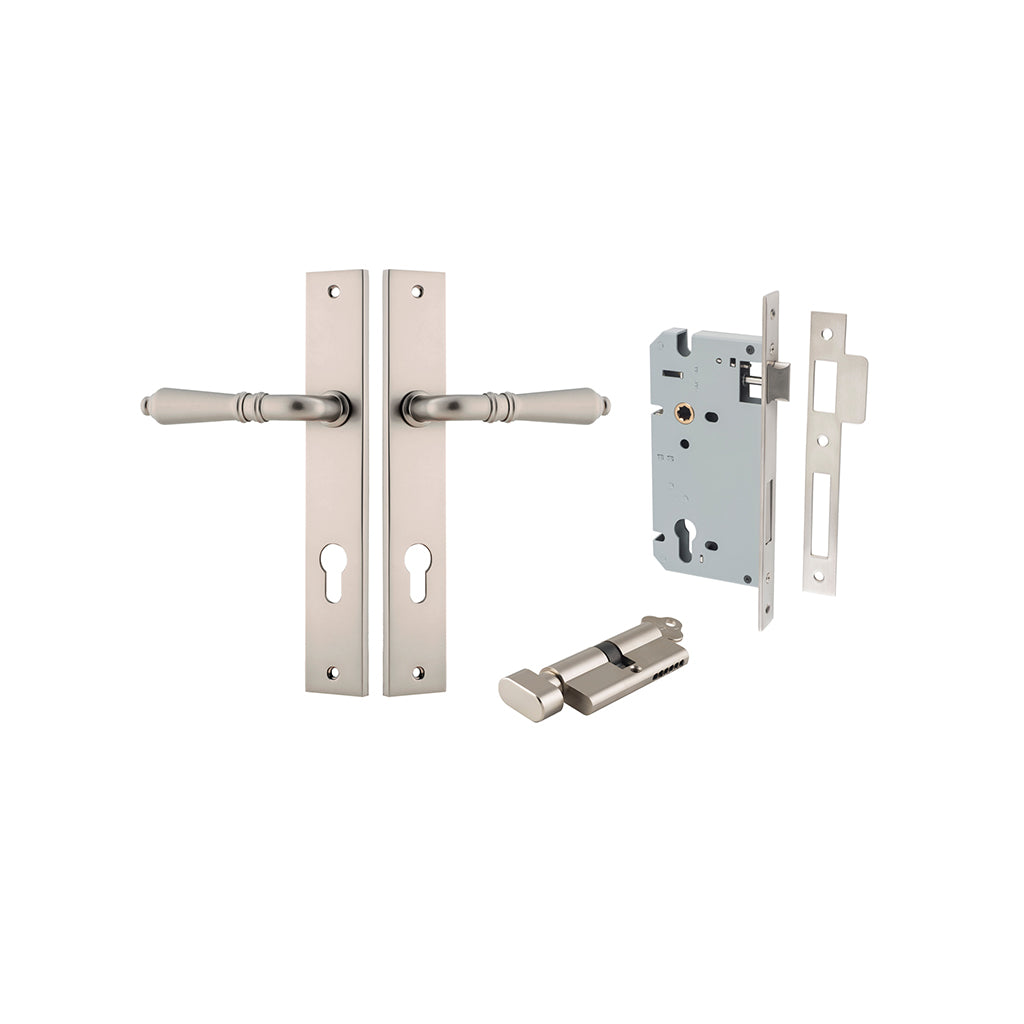
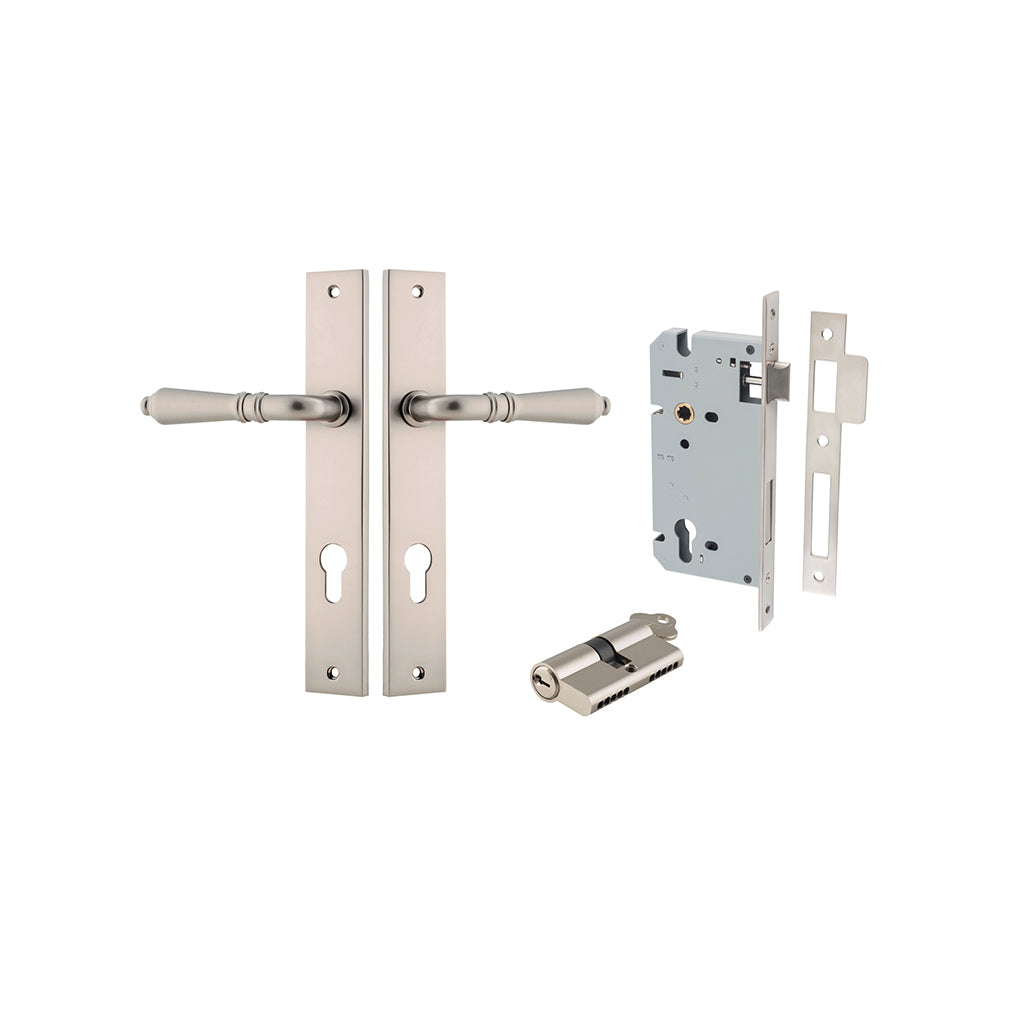
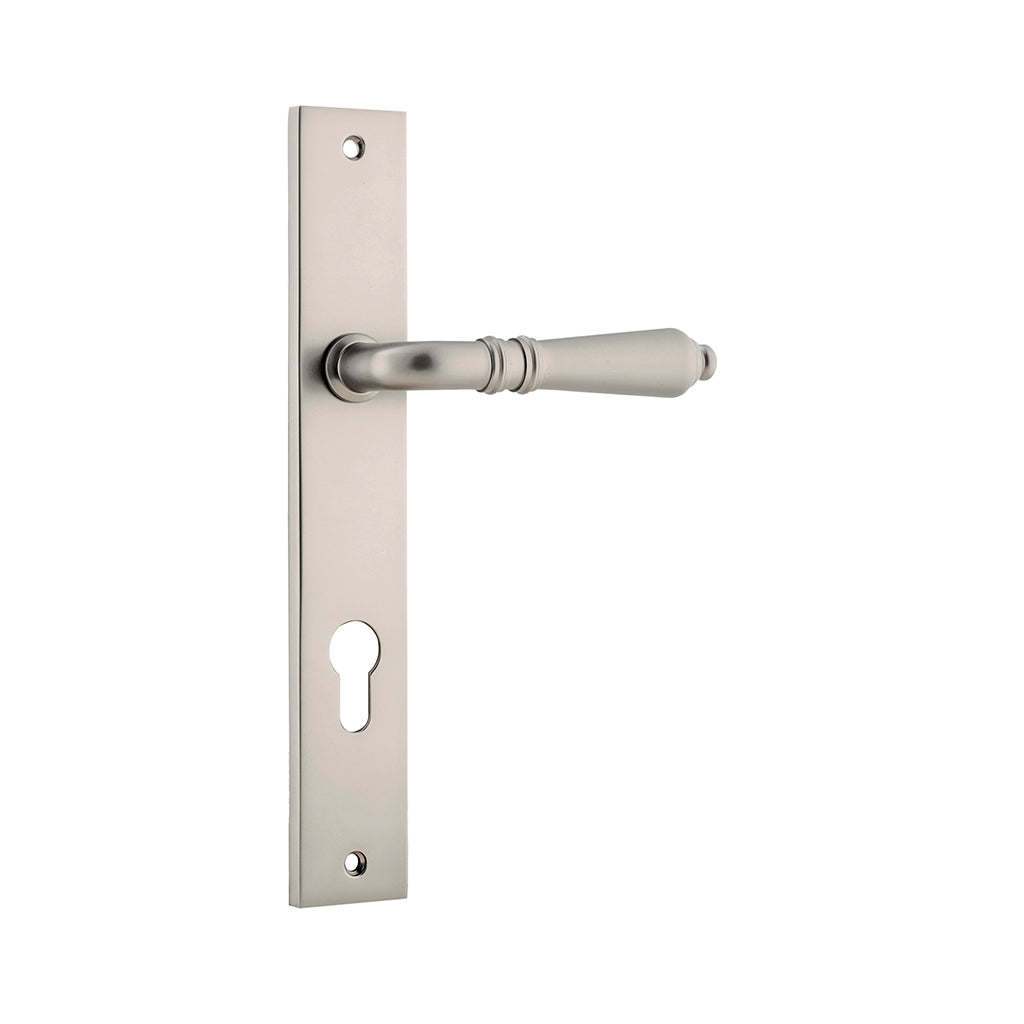
A soft, low-sheen finish with a lightly brushed texture. Brushed nickel — also referred to as satin nickel — diffuses light to create a more muted, settled appearance, making it well suited to high-use areas and interiors where a more integrated finish is preferred.
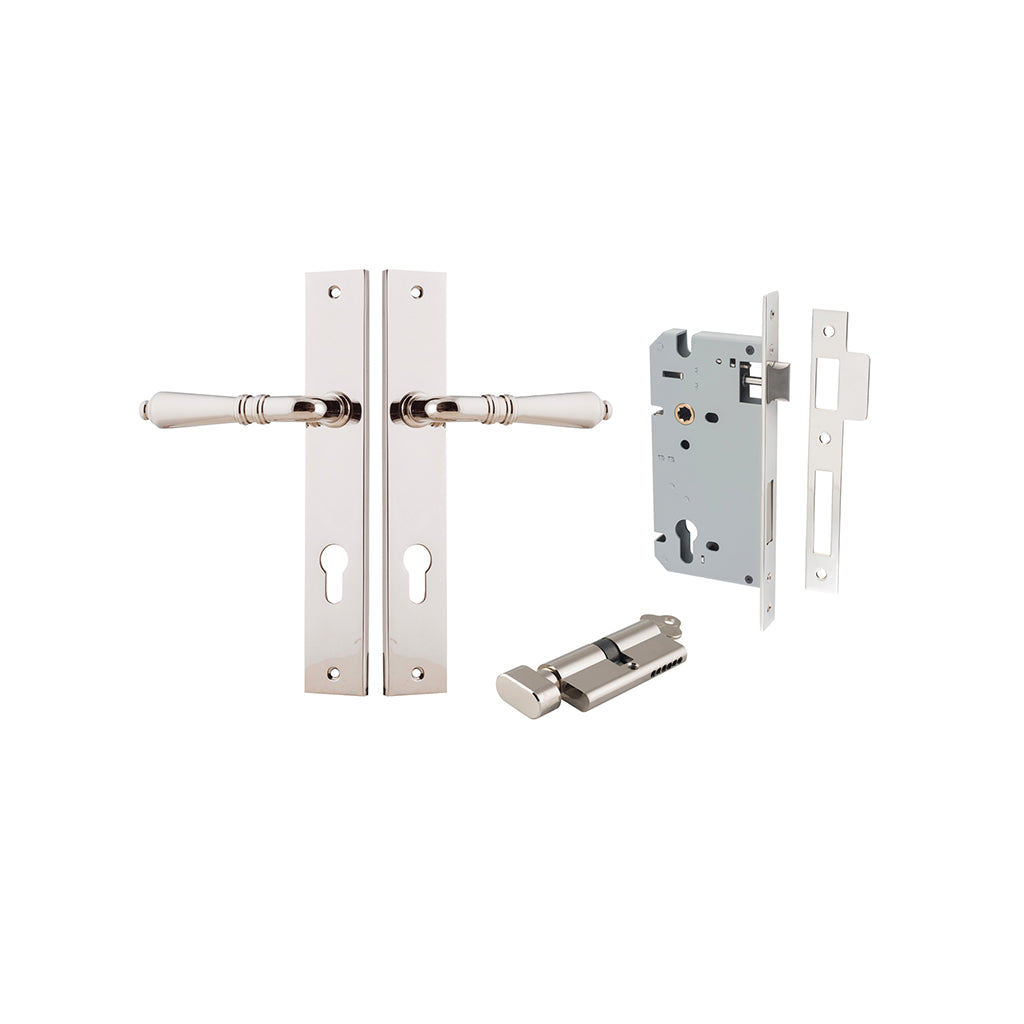
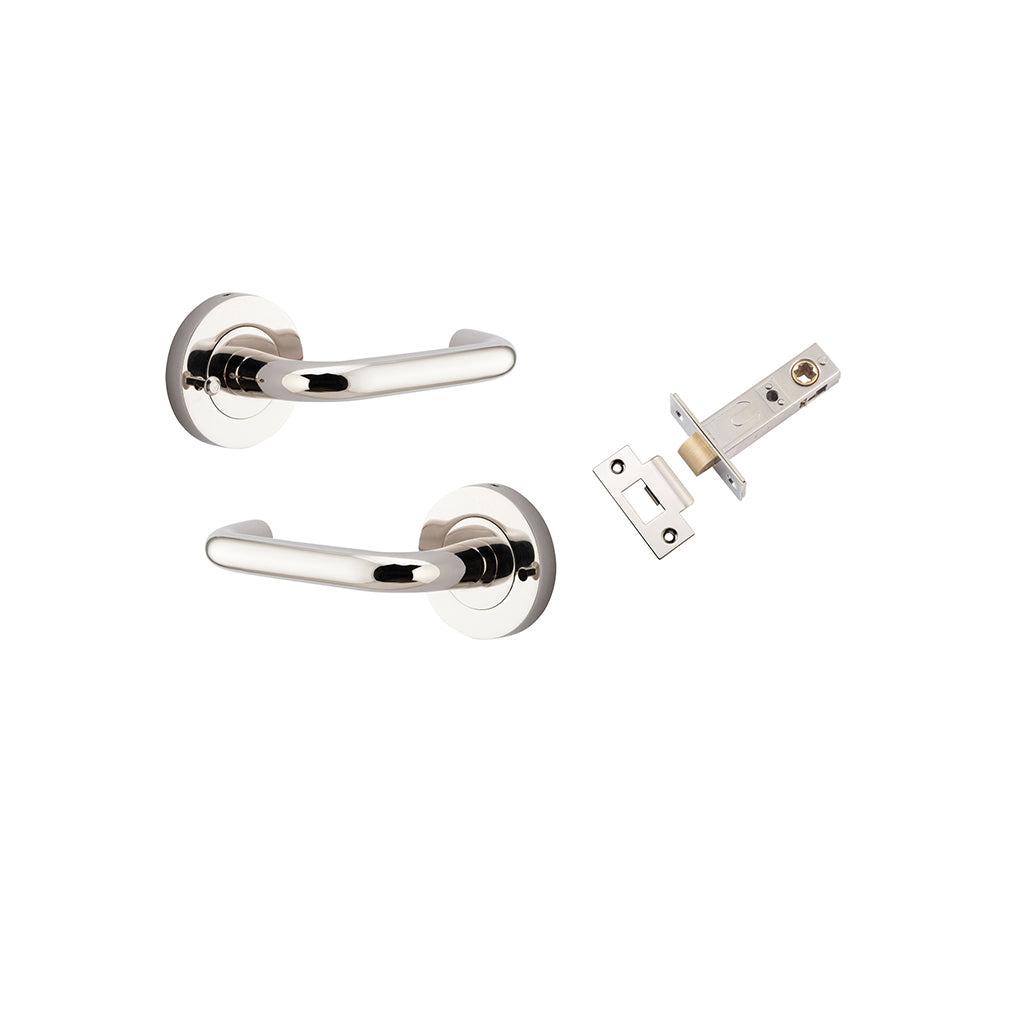
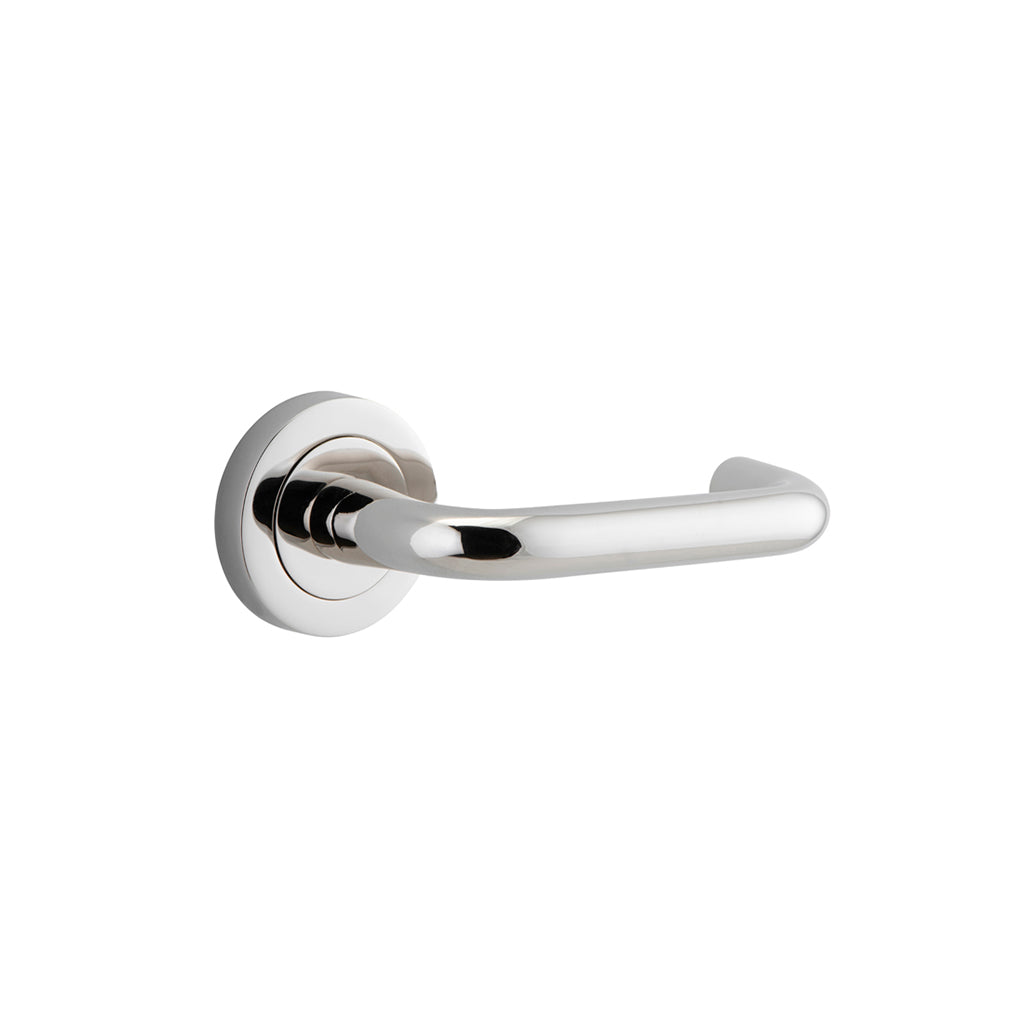
Polished Nickel
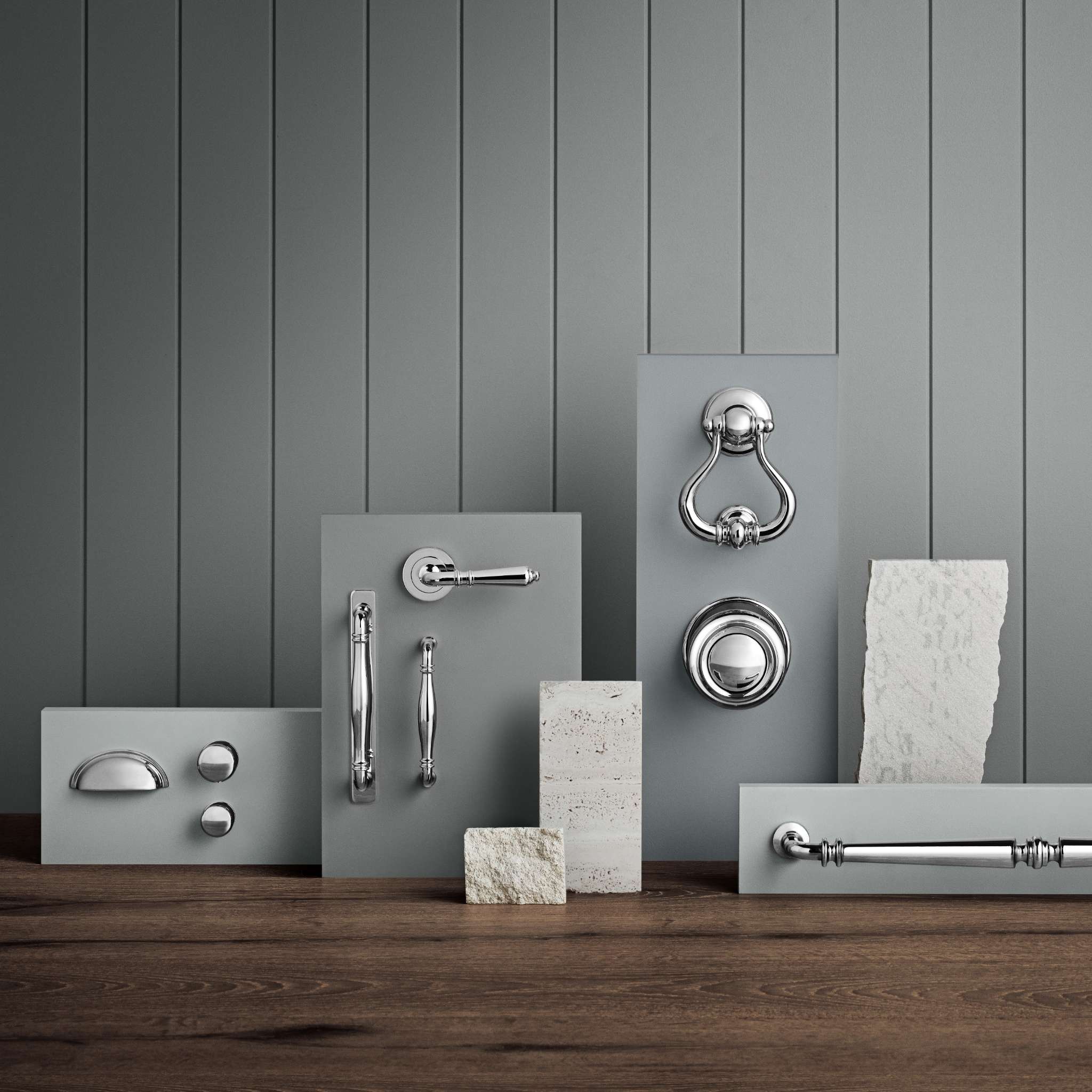
Bright and reflective with a warmer tone than chrome. Polished nickel door levers offer a more traditional feel while still working within contemporary spaces.
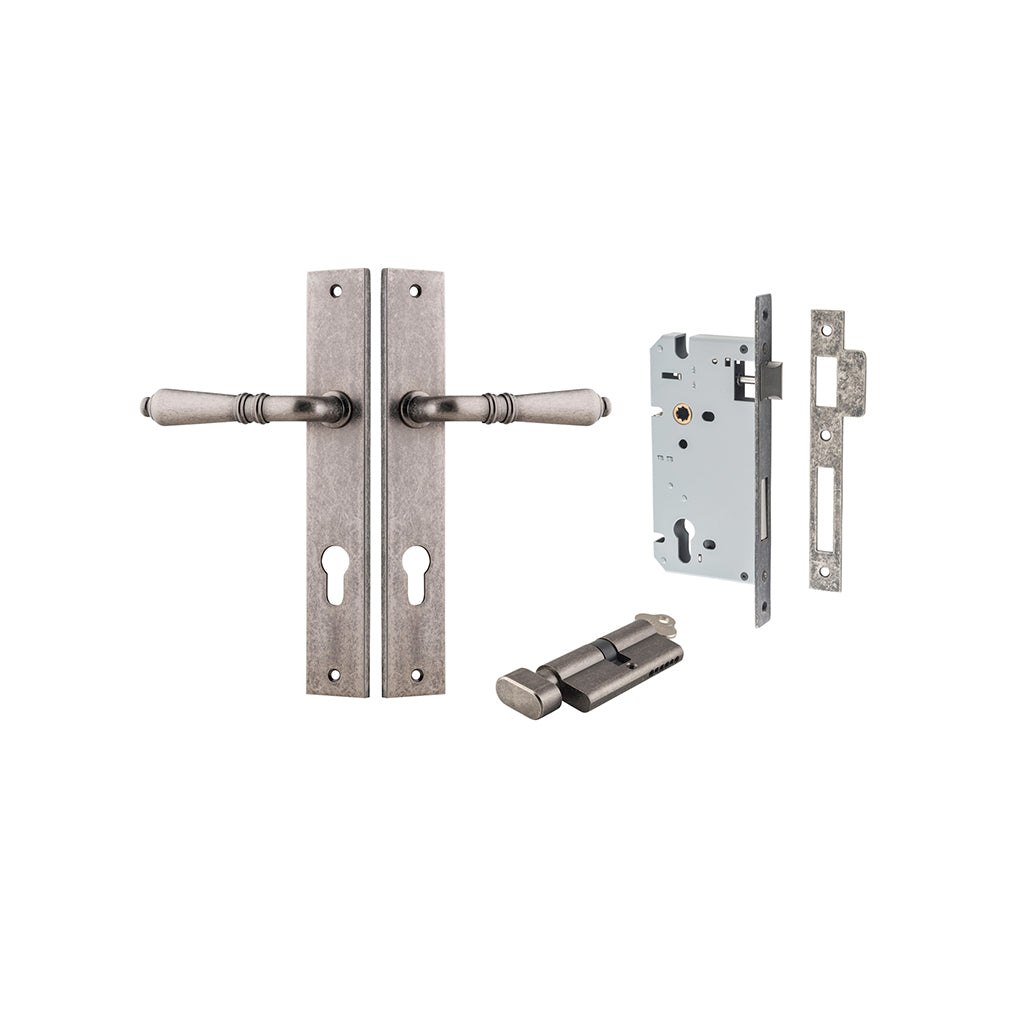
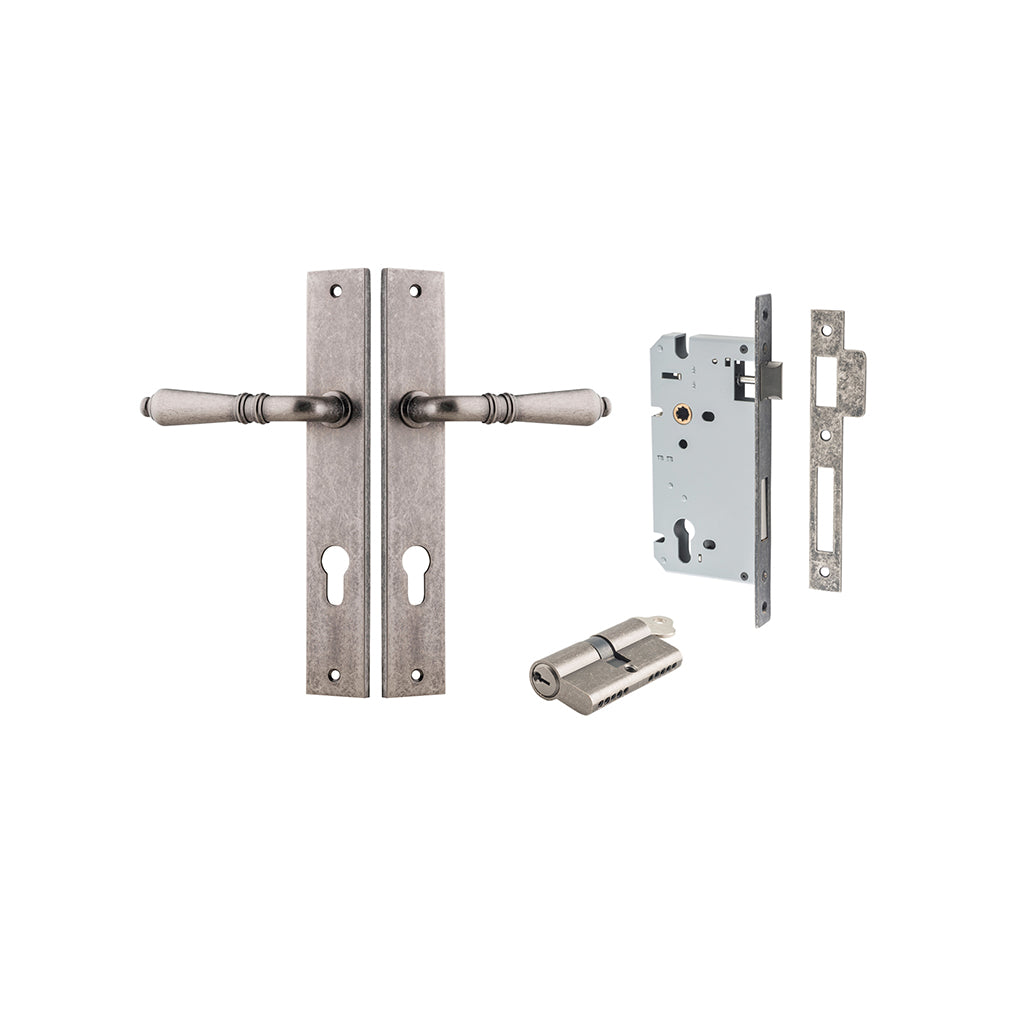
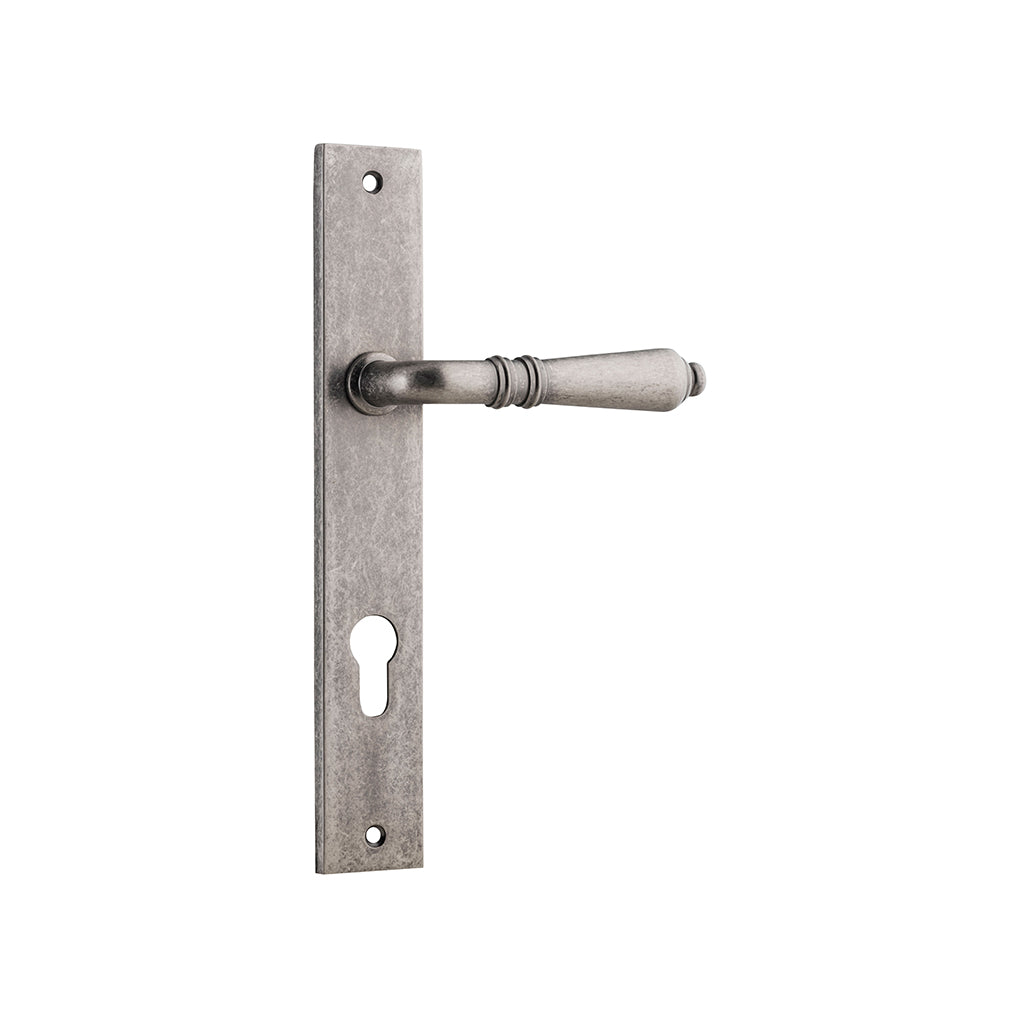
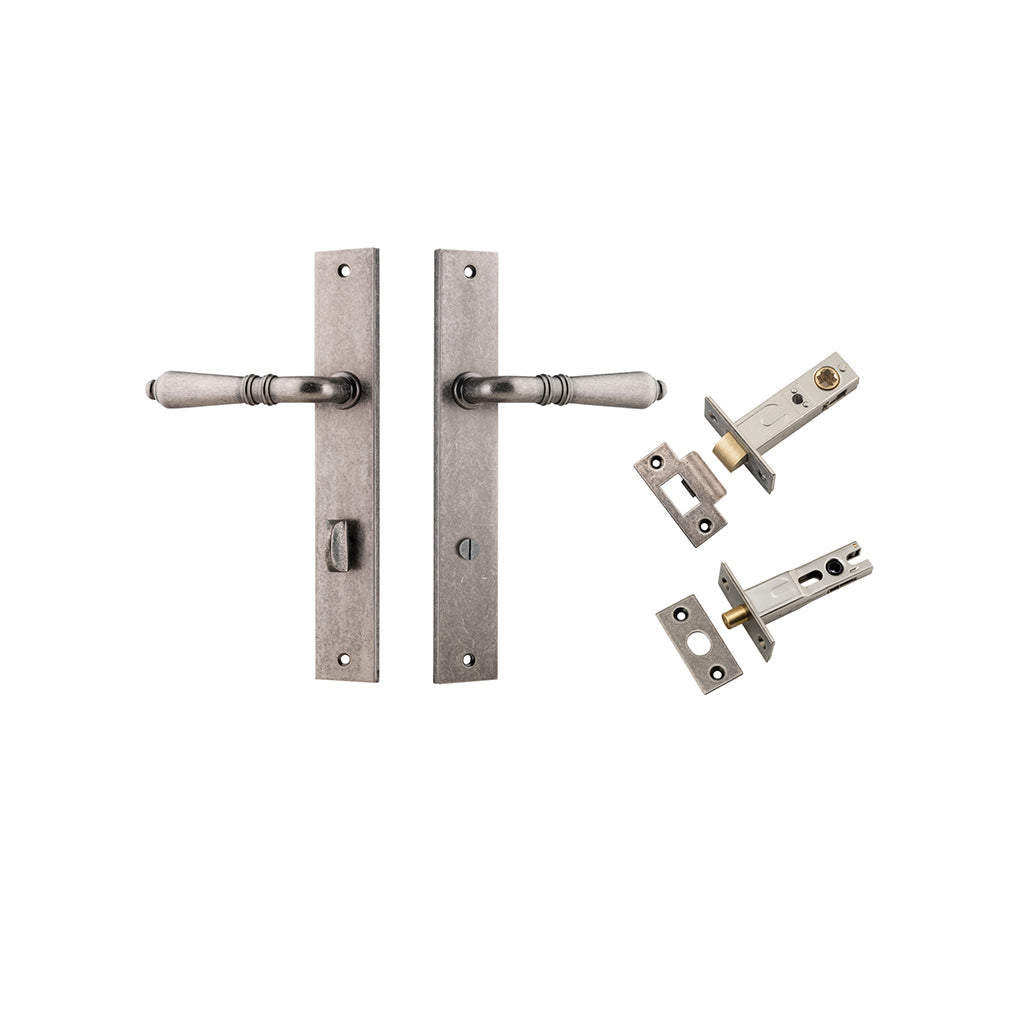
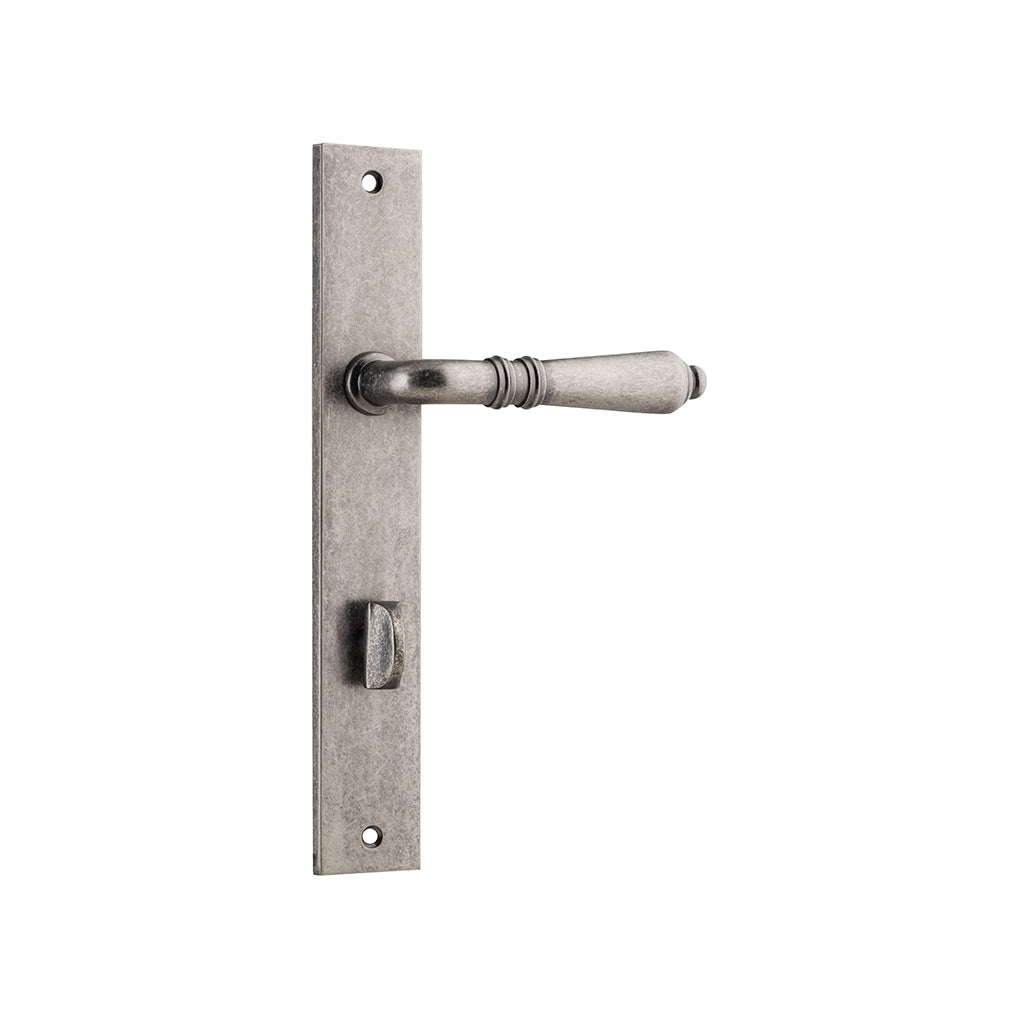
Distressed Nickel
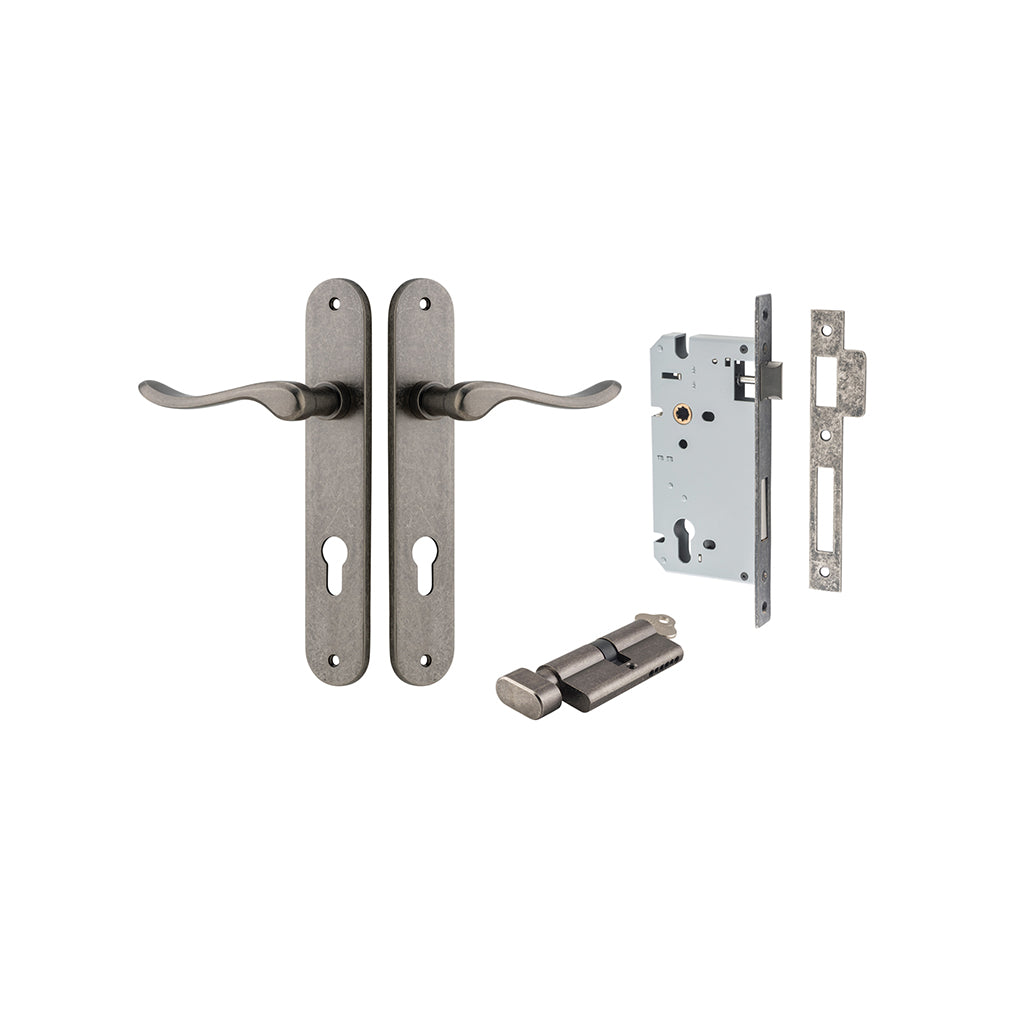
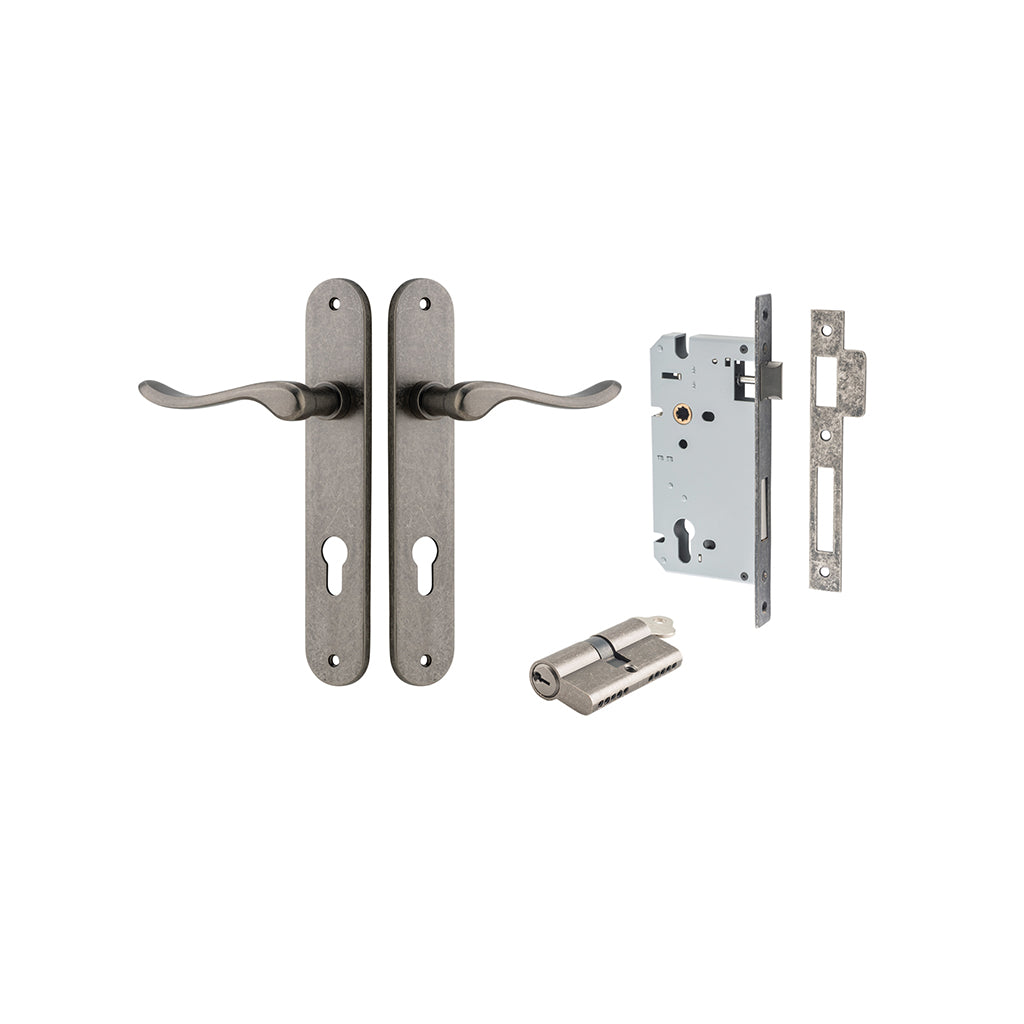
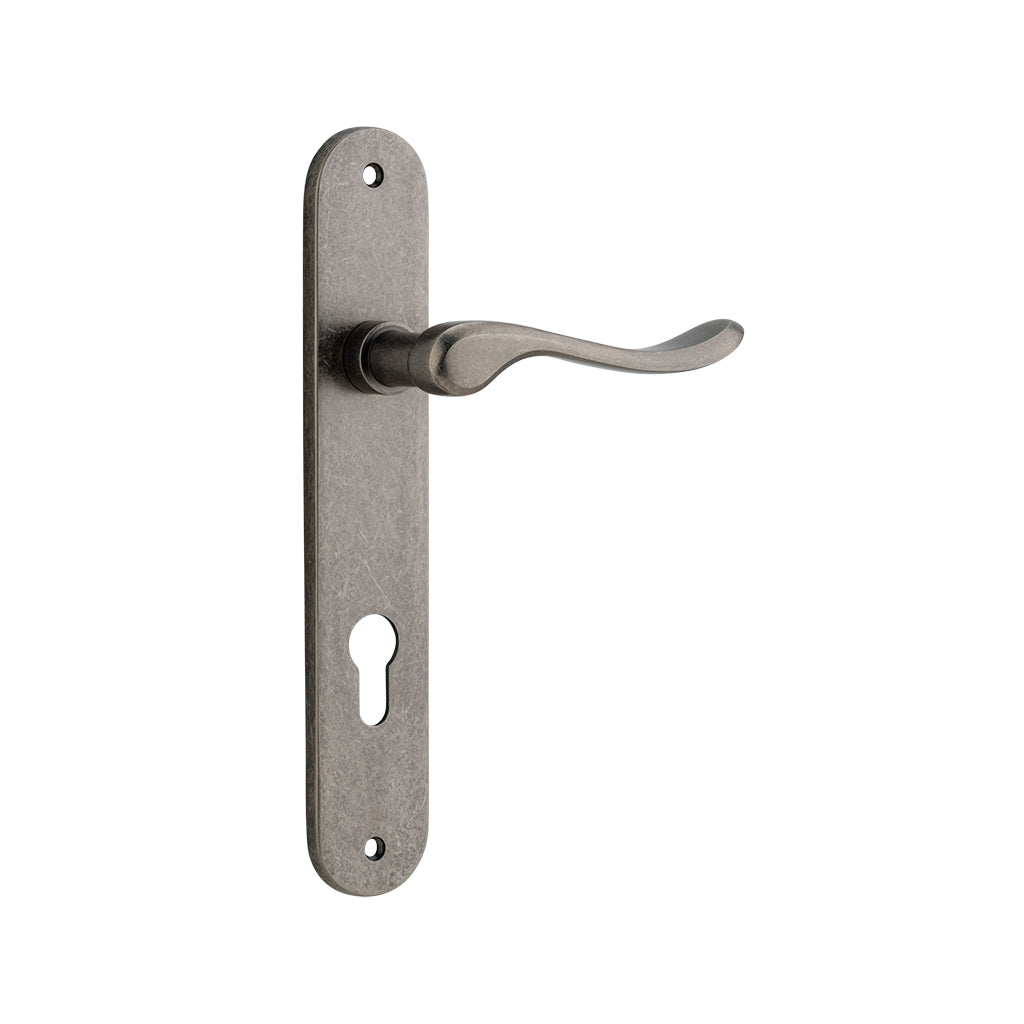
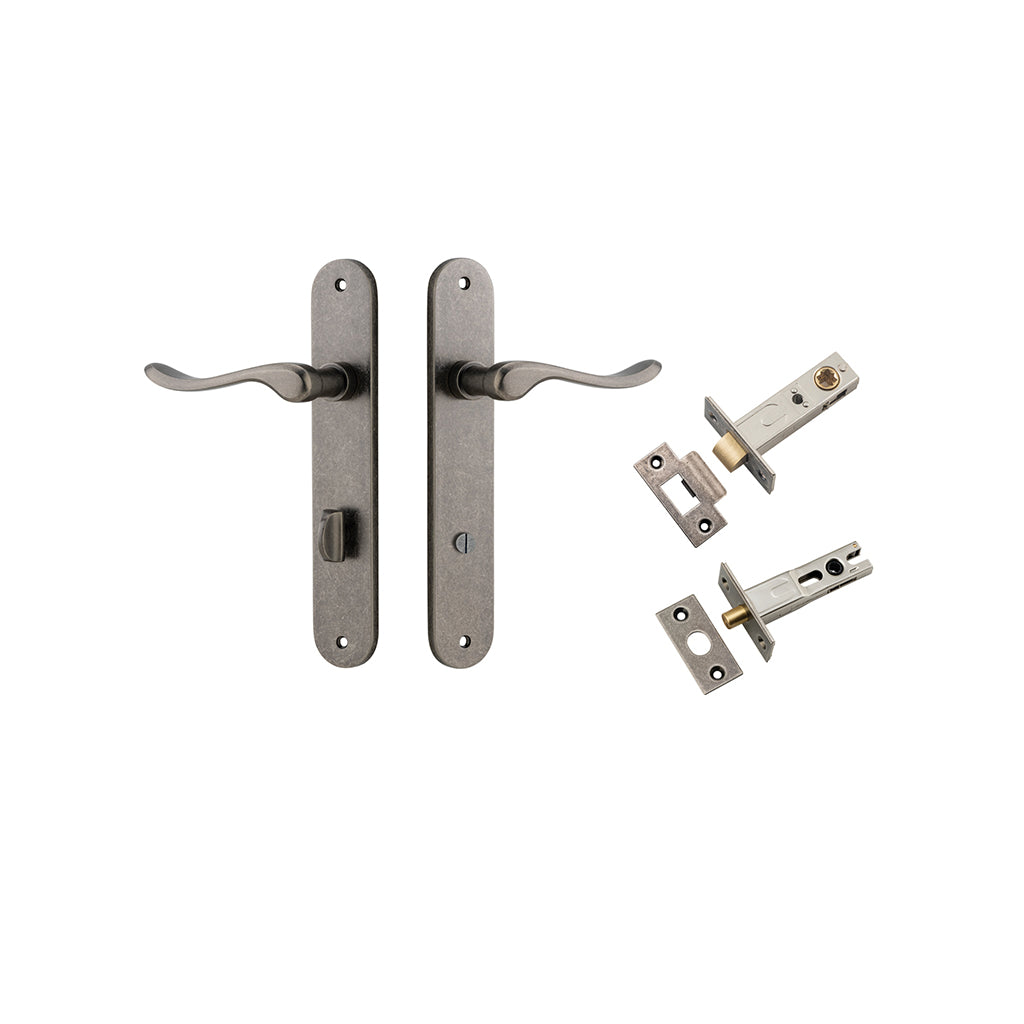
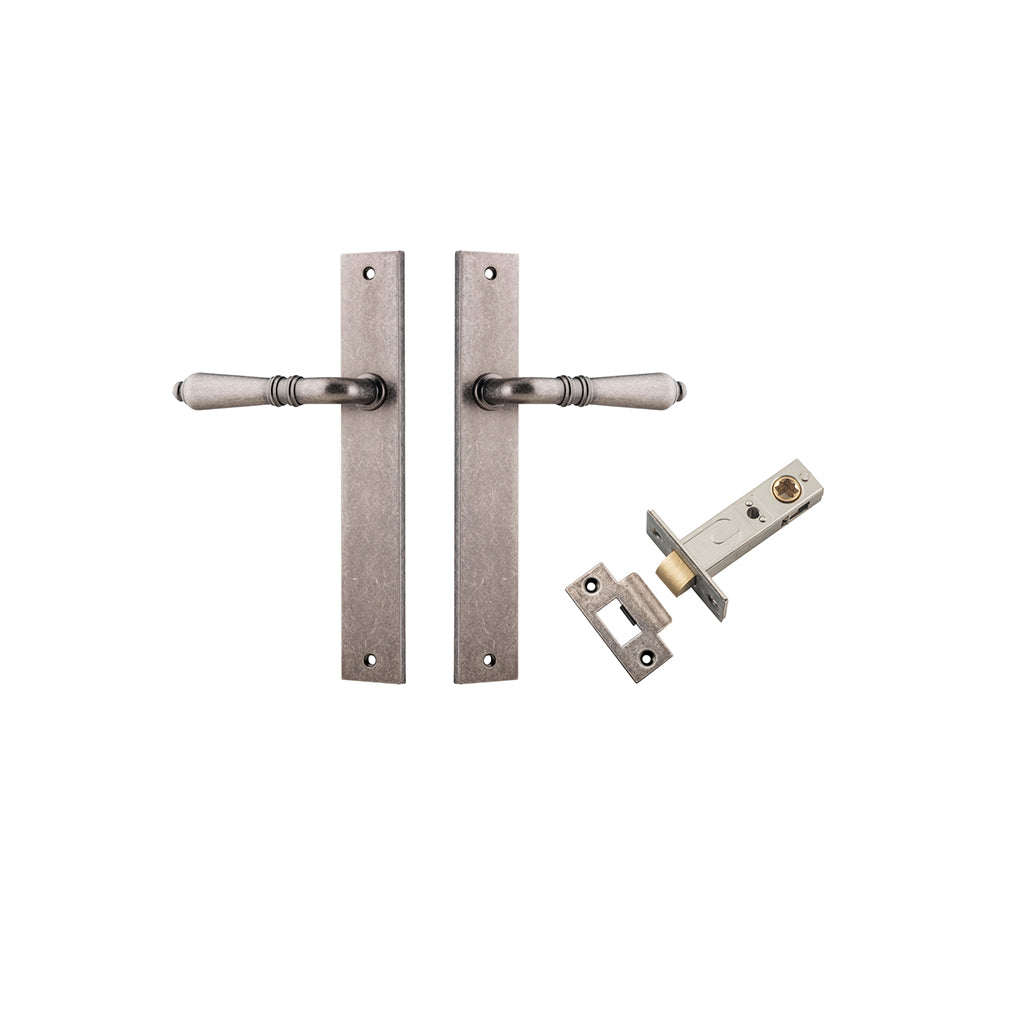
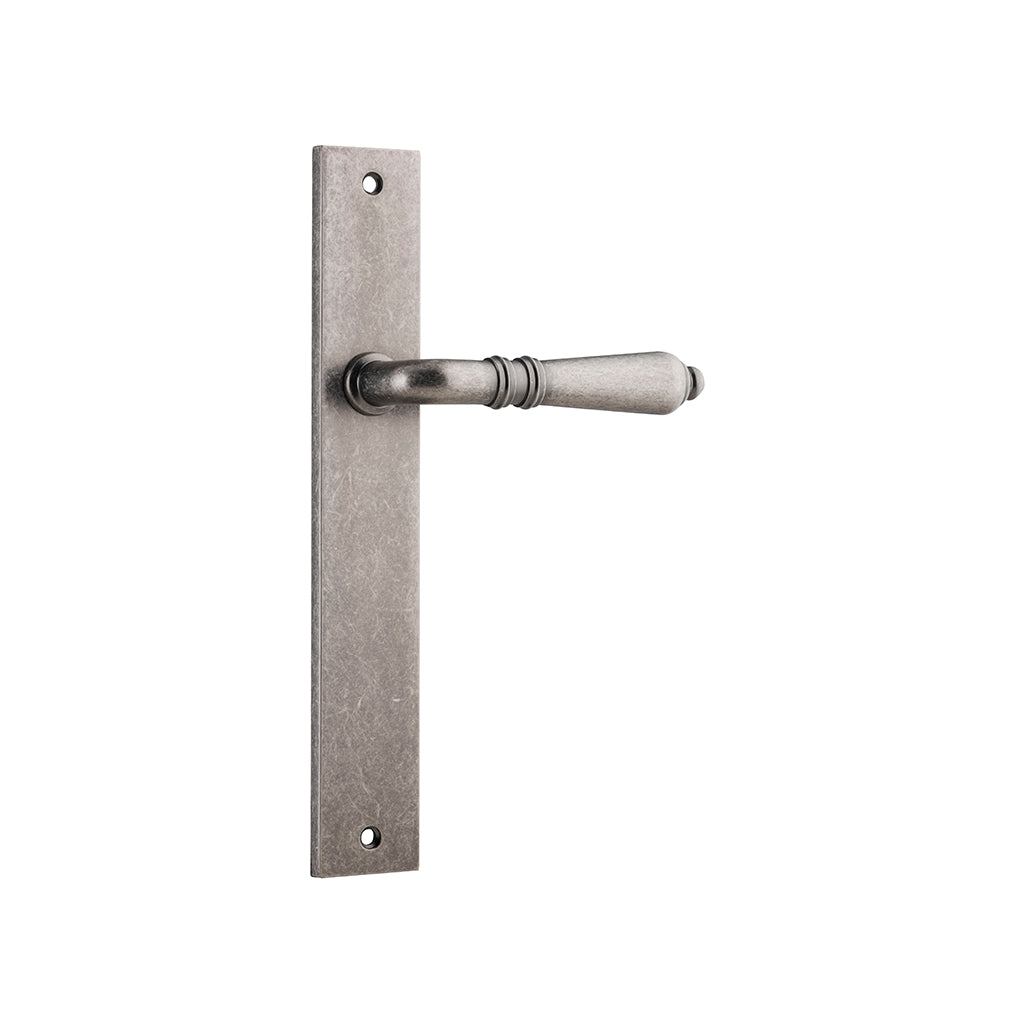
A textured, aged finish with subtle variation. Distressed nickel — also referred to as rumbled nickel — introduces depth and a slightly time-worn character, sitting comfortably alongside natural materials and more layered, detailed interiors.
Choosing Nickel Door Levers for Your Home
Nickel door hardware works comfortably across a wide range of materials, including timber, marble, and textured tiles. Its softer tone allows it to move between warmer and cooler palettes without creating contrast.
When selecting nickel door levers, consider how the finish carries through other fixtures. Repeating the same tone across hardware, lighting, and tapware helps establish a more consistent, layered result.
Our collection focuses on well-defined lever designs, allowing the finish to sit within the palette while maintaining a quiet, balanced presence over time.
Exploring Other Finishes
If you’re comparing options, viewing finishes side by side can help reveal how subtle shifts in tone and texture influence the overall palette. Contrasting nickel with warmer brass or more reflective chrome helps define the level of softness or clarity.